
High Blood Pressure – Arterial Hypertension

Bluthochdruck

The content provided herein is for informational and educational purposes only. it does not constitute an endorsement or promotion of any specific diagnostic methods, treatments, or pharmaceutical products. This information is not a substitute for professional medical advice, diagnosis, or treatment from a qualified physician or pharmacist. It should not be used as a basis for self-diagnosis or for starting, modifying, or discontinuing any medical treatment. Always seek the advice of your physician or another qualified healthcare provider with any questions you may have regarding a medical condition or health concerns.

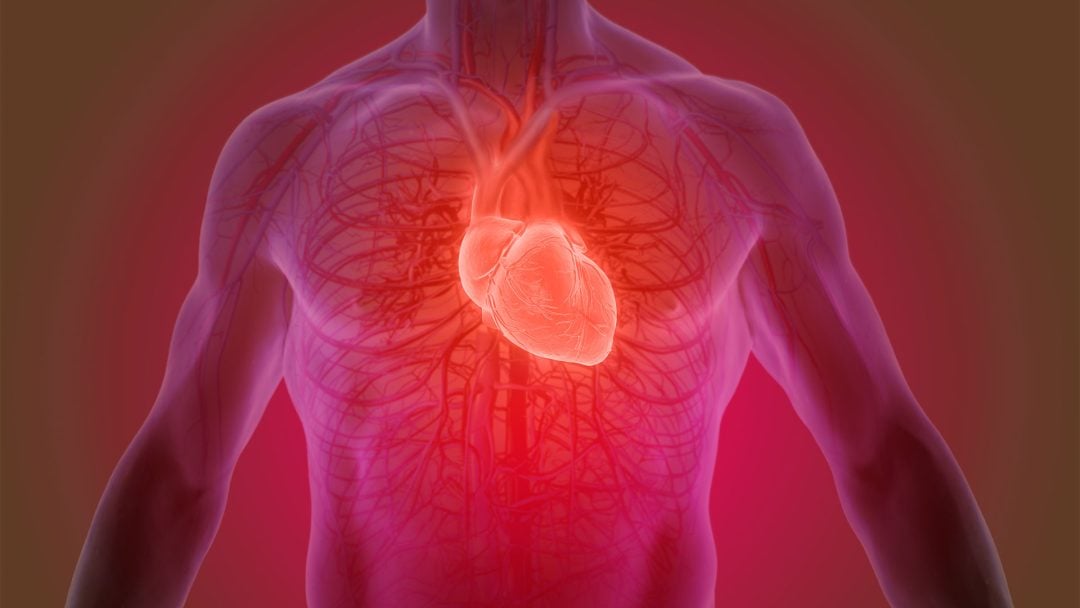
High blood pressure, also known medically as arterial hypertension, is one of the most common chronic diseases in the general population. Hypertension usually develops gradually and often goes unnoticed for a long time. It is characterized by a persistently elevated pressure in the arteries, which puts strain on the blood vessels and organs. Untreated high blood pressure significantly increases the risk of heart attack, stroke, heart failure, and kidney failure. In addition to genetic factors, lifestyle and environmental conditions also play a major role in the development of high blood pressure. Due to its widespread occurrence, the focus today is primarily on prevention and possible treatment approaches.

What Is Hypertension?

Hypertension refers to a persistent elevation of arterial blood pressure beyond age- and situation-appropriate normal values. This elevation is pathological and, according to current guidelines, is diagnosed at values of 140/90 mmHg or higher. Worldwide, high blood pressure is one of the most common chronic diseases, and its prevalence continues to rise. Hypertension is particularly significant because it is considered one of the most important risk factors for serious cardiovascular diseases such as heart attack, stroke, heart failure, and kidney failure. What causes high blood pressure is multifaceted. Changes in vascular tone, cardiac output and blood volume, impaired kidney function, or dysregulation of hormonal systems such as the renin-angiotensin-aldosterone system (RAAS) or the sympathetic nervous system can all contribute to the development of hypertension. Because high blood pressure often causes no noticeable symptoms for a long time, it frequently goes undetected and can lead to organ damage even before it is discovered.

Forms of Hypertension

High blood pressure can affect different vascular systems and cause various clinical conditions. The most common form is arterial hypertension. It affects the systemic circulation and holds the greatest clinical significance. In addition, there are other forms of high blood pressure, such as pulmonary, venous, and portal hypertension. Each has its own causes and consequences and generally occurs less frequently. Nevertheless, they can cause serious health problems for those affected. It is therefore important to distinguish between the different forms of hypertension in order to properly classify the condition and initiate appropriate treatment.

Med. pract. Dana Hreus M.A.

High blood pressure, or hypertension is a widespread health disorder characterised by persistently elevated blood pressure.

Med. pract. Dana Hreus M.A.

Arterial Hypertension

Arterial hypertension is the most common form of high blood pressure. It can be divided into two main groups: primary and secondary hypertension.

Primary hypertension typically has no single clear cause. Instead, it develops through a complex interplay of genetic predisposition and unfavorable lifestyle factors. The most important risk factors include obesity, lack of exercise, chronic stress, excessive alcohol consumption, and smoking.

Several mechanisms usually interact in the development of primary hypertension. The renin-angiotensin-aldosterone system (RAAS) leads to increased vasoconstriction and heightened fluid retention, while an overactive sympathetic nervous system raises vascular tone and heart rate. At the same time, structural changes in the blood vessels occur, such as increased vessel wall thickness and reduced elasticity, which further sustain elevated blood pressure.

Secondary hypertension is usually the result of other diseases or external influences. Common causes include kidney diseases such as renal artery stenosis or chronic kidney failure. Hormonal disorders — for example, hyperaldosteronism, Cushing’s syndrome, or pheochromocytoma — can also raise blood pressure significantly. Additionally, sleep apnea or certain medications such as corticosteroids or hormonal contraceptives can lead to secondary hypertension.

Pulmonary Hypertension

Pulmonary hypertension is a form of hypertension involving a pathologically elevated blood pressure in the pulmonary circulation. It is present when the mean pressure in the pulmonary artery is 20 mmHg or more. Although it occurs far less frequently than arterial hypertension, pulmonary hypertension is considered a serious and potentially life-threatening condition.

The causes of pulmonary hypertension can be diverse. In some cases, no specific cause can be identified. It often develops secondarily — that is, as a result of other conditions such as chronic heart or lung diseases. Examples include left heart failure, chronic obstructive pulmonary disease (COPD), pulmonary fibrosis, or recurrent pulmonary embolisms.

The elevated pressure in the pulmonary circulation increasingly strains the right side of the heart, which must pump against a higher resistance. Over time, this can lead to compensatory thickening of the heart muscle and eventually to right heart failure. Typical symptoms include shortness of breath — especially during physical exertion — reduced exercise capacity, and, in advanced stages, fainting episodes. Because the symptoms are often relatively nonspecific, pulmonary hypertension is frequently diagnosed late.

Venous Hypertension

Venous hypertension describes a sustained increase in pressure within the venous system. It occurs when the return flow of blood to the heart is impaired and blood pools in the veins. One of the most common causes is chronic venous insufficiency, in which the function of the venous valves deteriorates and blood can no longer be adequately transported back to the heart. Varicose veins or deep vein thrombosis can also lead to elevated venous pressure.

The increased pressure in the venous system causes venous congestion, which initially leads to fluid retention — known as edema. Later, skin changes such as brownish discoloration, thickening, or inflammation of the skin may develop. In severe cases, the chronic pressure can also result in open wounds.

Venous hypertension is usually based on a combination of valve insufficiency, reduced muscle pump function, and impaired vascular elasticity. All of these factors restrict venous blood return and increase pressure in the lower extremities, particularly when standing. Early diagnosis is therefore essential to prevent potential complications and improve venous circulation.

Portal Hypertension

Portal hypertension describes an increase in pressure within the portal venous system. The portal venous system consists of vessels that transport blood from the abdominal organs — such as the stomach, intestines, spleen, and pancreas — back to the liver. Normally, the pressure in the portal vein is below 5 mmHg. If it rises persistently above 10 mmHg, this is referred to as portal hypertension.

The most common cause is liver cirrhosis, which can develop as a result of chronic alcohol abuse, viral hepatitis, or fatty liver disease. The scarring and structural remodeling of liver tissue increases resistance in the hepatic vessels, preventing blood from flowing freely through the liver.

The resulting backflow causes blood to take alternative pathways through other organs, forming so-called collateral circuits. This can lead to esophageal varices, visible veins on the abdominal wall, enlargement of the spleen, or fluid accumulation in the abdomen. All of these changes represent a clear increase in pressure within the portal venous system. Particularly feared are variceal hemorrhages, which can be life-threatening, as well as hepatic encephalopathy, in which the liver’s detoxification function is impaired and toxic metabolic products damage the brain.

Portal hypertension is therefore more of a consequence of already advanced liver diseases. It requires direct medical treatment to detect complications early and prevent long-term damage.

Normal Blood Pressure – Normal Values

Blood pressure describes the force with which blood pushes against the walls of the arteries. It is measured in mmHg and consists of a systolic and a diastolic value. The systolic pressure occurs when the heart pumps blood into the vessels. The diastolic pressure occurs during the heart’s relaxation phase. Normally, blood pressure numbers range between 120 and 130 mmHg systolic and 80 to 85 mmHg diastolic. Values of 130 to 139 systolic and 85 to 89 mmHg diastolic are still considered normal. However, they already indicate a tendency toward elevated blood pressure.

Blood pressure fluctuates throughout the day and is influenced by many factors, including age, sex, physical activity, stress levels, and time of day. To ensure the body is continuously supplied with oxygen and nutrients, the body regulates blood pressure through various mechanisms. In the short term, baroreceptors — specialized pressure sensors in the blood vessels — allow the nervous system to react quickly to changes. In the long term, blood pressure is primarily regulated by the kidneys, which stabilize it through changes in fluid and salt balance as well as the renin-angiotensin-aldosterone system.

A normal blood pressure is essential for health. It ensures consistent blood flow to the organs and prevents overloading the heart and blood vessels. If blood pressure becomes too high or too low, long-term health problems can develop.

What Is Considered High Blood Pressure?

High blood pressure, or arterial hypertension, is present when blood pressure is persistently above normal values. Occasional short-term elevations, such as from stress or physical activity are normal and not yet pathological. A reliable diagnosis is only made when multiple measurements on different days confirm elevated blood pressure. The time of day also plays a role.

According to current guidelines, hypertension is diagnosed when high blood pressure readings in the doctor’s office are consistently at 140/90 mmHg or higher. For home measurements, slightly lower thresholds of 135/85 mmHg often apply. In 24-hour ambulatory monitoring, an average blood pressure of 130/80 mmHg or more is considered pathological. Additional thresholds for daytime and nighttime values are often used to account for daily fluctuations.

Special attention should also be paid to white-coat hypertension, where blood pressure is elevated only during a visit to the doctor. There is also masked hypertension, where office values appear normal, but home measurements are significantly elevated. These two variants show how important comprehensive diagnostics are for reliably detecting hypertension.

The higher and longer blood pressure remains above normal levels, the greater the risk for cardiovascular complications. Even at values above 140/90 mmHg, structural changes in blood vessels can occur that may lead to long-term damage to the heart, brain, kidneys, and retina. People with pre-existing conditions such as diabetes, lipid metabolism disorders, or increased nicotine use are particularly at risk.

Early detection and proper management of blood pressure are therefore crucial to prevent serious secondary diseases. Prevention is also a key component in maintaining the health of the cardiovascular system.

Further Classification of Hypertension

To better assess individual risk and the scope of treatment, hypertension is divided into different severity levels. This classification is based on average measured systolic and diastolic blood pressure values and allows for more precise treatment planning. As blood pressure increases, so does the strain on the heart and blood vessels, as well as the risk of organ damage and cardiovascular complications such as heart attack, stroke, or kidney failure.

The classification of hypertension into stage 1, 2, and 3 helps evaluate the severity of the disease and initiate appropriate treatment approaches early. The higher the measured blood pressure, the more urgent a therapeutic intervention typically is to prevent secondary damage and preserve long-term vascular health.

Stage 1 Hypertension

In high blood pressure stage 1 hypertension, blood pressure values typically range from 140 to 159 mmHg systolic and 90 to 99 mmHg diastolic. At this early stage, high blood pressure often goes unnoticed and is usually discovered incidentally during a routine examination. However, stage 1 hypertension is not harmless. Even at these values, the risk for cardiovascular diseases such as heart attack, stroke, or vascular changes increases — especially when additional risk factors like obesity, smoking, or diabetes are present.

In many cases, stage 1 hypertension can still be improved without medication. Lifestyle changes such as regular physical activity, weight reduction, a diet lower in salt and fat, moderate alcohol consumption, and quitting smoking can often lower blood pressure effectively.

If values remain elevated despite these measures, or if there is an increased risk due to other co-existing conditions, high blood pressure medication is recommended. The goal is to permanently lower blood pressure below the threshold values.

Stage 2 Hypertension

In high blood pressure stage two, blood pressure values are significantly elevated, ranging from 160 to 179 mmHg systolic and 100 to 109 mmHg diastolic. At this level, values are usually persistently elevated and no longer normalize on their own. This considerably increases the risk of organ damage — particularly to the heart, brain, kidneys, and blood vessels. Over time, changes to vessel walls, thickening of the heart muscle, or impairment of kidney function may develop.

Unlike milder forms of hypertension, stage 2 can already produce symptoms. Common complaints include headaches, dizziness, fatigue, or reduced physical performance. These are often a clear sign of increasing strain on the cardiovascular system.

Treatment of stage 2 hypertension typically involves a combination of lifestyle changes and medications. A balanced diet, regular exercise, weight reduction, and reduced salt and alcohol intake support the medical therapy. Medication to lower blood pressure is generally necessary to stabilize values long-term and prevent complications. Even while taking medication, values should be monitored regularly to adjust therapy as needed and reduce the long-term risk of cardiovascular events.

Stage 3 Hypertension

Stage 3 hypertension represents the most severe form of high blood pressure. It is characterized by systolic blood pressure values of 180 mmHg or higher. In some cases, high diastolic blood pressure values may also exceed 110 mmHg. At this stage, there is an acute threat to health, as the cardiovascular system is under extreme strain and the risk of severe complications is high. The elevated blood pressure significantly increases the risk of stroke, heart attack, aortic aneurysm, kidney failure, or a hypertensive crisis.

People with stage 3 hypertension often experience more intense symptoms that may point to a clear overload of the cardiovascular system and, in some cases, early organ damage. Symptoms include severe headaches, visual disturbances, chest pain, shortness of breath, or dizziness. These warning signs should never be ignored, as they can indicate acute complications that usually require immediate medical attention.

Treatment of stage 3 hypertension should therefore begin immediately and be pursued consistently. In addition to medically supervised blood pressure-lowering medication, close monitoring and treatment of any secondary conditions that have already developed are essential. At the same time, lifestyle changes should be implemented to reduce long-term strain on the heart and blood vessels. The sooner treatment begins, the lower the risk of life-threatening events and potential lasting damage.

Blood Pressure Chart

A high blood pressure chart can provide helpful guidance for better classifying measured values and recognizing potential deviations early. Since blood pressure naturally fluctuates over the course of a lifetime, age is also an important factor when evaluating blood pressure. While younger people tend to have lower blood pressure values, blood pressure often rises slightly with age. This is usually due to changes in vascular elasticity and shifting metabolic processes. The following blood pressure chart shows reference values to help you better classify your measured blood pressure.

High Blood Pressure: Symptoms and Signs

High blood pressure can often go unnoticed for several years because it typically does not cause clear symptoms. The body usually adjusts gradually to the elevated blood pressure, which is why many people remain symptom-free for a long time. When blood pressure has been elevated for an extended period or organs are already under strain, nonspecific complaints may appear. Since these symptoms of high blood pressure can also point to many other causes, they are not always immediately linked to high blood pressure.

Typical signs of high blood pressure may include:

Because such complaints can have many other causes, regular blood pressure monitoring is essential to detect hypertension early, treat it promptly, or investigate other possible reasons for the symptoms.

Headaches and High Blood Pressure

Headaches can often be associated with elevated blood pressure, but hypertension is not always the cause. With mild blood pressure elevations, pain usually does not occur, as the blood vessels can still adapt to the increased pressure. Only at significantly elevated values — around 180/110 mmHg — can high blood pressure headaches develop. They occur particularly during a hypertensive crisis or a sudden spike in blood pressure.

The pain results from increased pressure in the cerebral vessels. They respond to the stretching and irritation of vessel walls by activating pain receptors in the head. Typical symptoms are dull, pulsating, or pressing headaches, often in the back of the head.

These headaches differ from migraines in particular because migraine symptoms are often one-sided and accompanied by sensitivity to light or noise, nausea, or an aura. Headaches caused by elevated blood pressure tend to occur on both sides and are less attack-like. They typically arise with persistently high blood pressure values.

If headaches occur together with extremely high blood pressure values, visual disturbances, dizziness, or shortness of breath, a doctor should be consulted immediately.

Dizziness and High Blood Pressure

Dizziness is also a common but relatively nonspecific symptom of high blood pressure. Can high blood pressure cause dizziness? Yes — dizziness occurs especially when blood pressure fluctuates significantly or rises suddenly, as is typical during a hypertensive crisis. The elevated pressure changes blood flow to the brain and inner ear, which can disrupt the balance system and lead to dizziness. Reduced oxygen supply can also trigger the sensation.

Especially in older individuals or those with existing vascular narrowing, the balance organ reacts particularly sensitively to such pressure fluctuations. In some cases, persistently high blood pressure can also cause circulation problems in the inner ear, which may promote vertigo or, in more severe cases, sudden hearing loss.

If dizziness occurs together with headaches, buzzing in ear, or visual disturbances, blood pressure should be checked immediately and, if symptoms recur, evaluated by a doctor.

High Blood Pressure Symptoms in Women

In women, high blood pressure often behaves differently and more subtly than in men, which can make diagnosis more difficult in some cases. Many women initially show relatively nonspecific symptoms that can easily be overlooked or attributed to other causes. These high blood pressure symptoms in women often include fatigue, headaches, inner restlessness, palpitations, dizziness, or sleep disturbances. Shortness of breath or a sensation of pressure in the chest may also occur. All of these signs tend to develop gradually and are not always immediately connected to high blood pressure.

For women, hormonal changes play a particularly important role — especially during menopause. As estrogen levels decline, the body loses an important protective factor for blood vessels, which can increase vascular stiffness and raise blood pressure. During menopause, many women also experience weight gain, changes in fat distribution, and metabolic shifts that can further increase the risk of high blood pressure.

Sleep disturbances are also considered a potential risk factor for high blood pressure. They are especially relevant for women, as they frequently occur during menopause. Sleep problems trigger stress responses in the body and increased release of stress hormones, which can further raise blood pressure.

Additionally, conditions such as endometriosis may play a role in the development of high blood pressure. Studies suggest that chronic inflammatory processes and hormonal imbalances in patients with endometriosis can increase the risk of hypertension.

High blood pressure in women is often a complex interplay of hormonal, metabolic, and psychological factors and should therefore be taken into account during diagnosis and treatment.

High Blood Pressure Symptoms in Men

In men, high blood pressure often manifests through symptoms that indicate an overload of the cardiovascular system. Typical high blood pressure symptoms in men include head pressure, dizziness, palpitations, shortness of breath, and occasional chest pain or a feeling of tightness in the chest. Some men also report declining physical performance, which is often only noticed at more significantly elevated blood pressure values.

In relation to men’s health, high blood pressure is considered a central risk factor for cardiovascular diseases, which are among the leading causes of death in men worldwide. In addition to alcohol consumption, smoking, lack of exercise, and stress, the hormonal balance also plays an important role in men. A testosterone deficiency, for example — which becomes more common with age — can affect metabolism and increase the risk of hypertension, obesity, lipid metabolism disorders, or insulin resistance.

Targeted prevention and regular blood pressure monitoring therefore play an important role in men’s health to protect the cardiovascular system long-term and prevent potential diseases.

Additional Specific Symptoms

Beyond the classic symptoms such as headaches, dizziness, or palpitations, other symptoms can also occur with high blood pressure. These include visual disturbances such as blurred vision or light sensitivity, which can result from pressure changes in the retinal blood vessels. Some people report tinnitus, a feeling of pressure in the head, or nosebleeds — all of which can be attributed to increased vascular tension.

Furthermore, shortness of breath or a rapid heartbeat may occur, particularly during physical exertion. In advanced cases, fluid retention in the legs or ankles may develop, indicating strain on the heart. Concentration problems, forgetfulness, or irritability can also arise with persistently high blood pressure, as cerebral blood flow becomes impaired.

These varied signs illustrate that hypertension progresses individually and is often perceived very differently. Blood pressure measurements and medical evaluation of recurring complaints are therefore essential for early detection and prevention of secondary damage.

When Does High Blood Pressure Become Dangerous?

High blood pressure becomes dangerous when values are persistently and untreated above 140/90 mmHg. Even at these levels, structural vascular changes occur that can damage the heart, brain, kidneys, or other organs over time. It becomes particularly critical at values above 180/110 mmHg. In this case, there is a life-threatening situation that requires immediate medical attention.

Long-term untreated high blood pressure leads to a permanent strain on the heart, as it must constantly pump against increased vascular resistance. As a result, the heart muscle thickens compensatorily, loses elasticity, and heart failure can eventually develop. Additionally, the risk of stroke increases with persistently untreated high blood pressure, as the high pressure damages the fine blood vessels in the brain and can lead to blockages or bleeding.

Another potential consequence is peripheral arterial disease, also abbreviated as PAD. It involves circulation problems in the legs caused by vascular narrowing. Initially, it presents as pain during walking, and in more advanced stages, it can lead to poorly healing wounds or tissue loss.

High blood pressure therefore becomes dangerous for the body when it remains untreated or uncontrolled. It is advisable to monitor blood pressure regularly, maintain a healthy lifestyle, and, if necessary, use medication to support treatment. All of this helps prevent serious secondary damage and protect cardiovascular health long-term.

What Causes High Blood Pressure

The causes of high blood pressure are often diverse and usually arise from an interplay of various physical, genetic, and lifestyle-related factors. In most cases, high blood pressure develops gradually over several years without a clear triggering cause. Metabolic processes, hormonal influences, and lifestyle factors often work together and lead to a persistent elevation of blood pressure.

One of the most important risk factors is obesity. Excess body fat — especially around the abdomen — affects metabolism and leads to activation of the sympathetic nervous system and the renin-angiotensin-aldosterone system (RAAS). Diabetes also plays an important role as a risk factor. It causes vascular changes and reduced arterial elasticity, which disrupts long-term blood pressure regulation.

Another highly modifiable factor is smoking. Nicotine promotes vasoconstriction, increases heart rate, and boosts the production of free radicals — all of which damage blood vessel walls. These processes are closely linked to oxidative stress, which in turn is a central mechanism in the development of hypertension.

Equally important is so-called silent inflammation — a chronic, low-grade inflammatory response in the body that plays an increasing role in the development of high blood pressure. It weakens vascular function and promotes the development of cardiovascular diseases.

A sudden onset of high blood pressure may be caused by acute physical or emotional strain, severe stress, pain, or, in rare cases, hormonal or renal causes. Overall, it is clear that the development of high blood pressure is influenced by many factors. In the FAQ section, specific causes in men and women are explained in more detail to give you a better understanding of individual causes and gender-specific risks.

Primary Hypertension (Formerly Essential Hypertension)

Primary hypertension, also called essential hypertension, is the most common form of high blood pressure and accounts for approximately 90 to 95% of all cases. The exact mechanism of development is not yet fully understood. However, it is a so-called multifactorial disease in which genetic predisposition, environmental factors, and lifestyle interact. Unlike secondary hypertension, there is no identifiable underlying disease.

Several risk factors contribute to the development of essential high blood pressure:

  • Family history of elevated blood pressure (is high blood pressure genetic — yes, hereditary predisposition plays a role)
  • Obesity
  • Lack of exercise
  • High salt intake
  • High alcohol consumption
  • An unhealthy diet low in fruits, vegetables, and fiber
  • Smoking
  • Stress
  • Older age
  • Certain medications, such as corticosteroids, hormonal contraceptives, or NSAIDs

All of these factors can lead to faulty blood pressure regulation over time, involving the sympathetic nervous system, the renin-angiotensin-aldosterone system, and vascular elasticity — causing blood pressure to rise permanently. Because primary hypertension typically progresses gradually and causes few symptoms initially, regular blood pressure monitoring can help detect the condition early.

Secondary Hypertension

Secondary hypertension refers to high blood pressure that develops as a consequence of an underlying condition. Unlike primary hypertension, which is multifactorial and often genetically influenced, secondary hypertension can often be traced to a specific cause. In some cases, this cause can be treated directly.

Key triggers include kidney diseases such as renal artery stenosis, where narrowing of the renal vessels leads to increased release of renin, which raises blood pressure. Excessive hormone production — for example, from hormone-active tumors — can also cause persistent high blood pressure. One example is pheochromocytoma. Endocrine disorders such as hyperthyroidism or Cushing’s syndrome can also trigger secondary hypertension.

Can sleep apnea cause high blood pressure? Yes — sleep apnea is also considered a relevant cause. Nighttime breathing interruptions lead to brief oxygen deprivation, chronic activation of the sympathetic nervous system, and a corresponding rise in blood pressure.

In general, early diagnosis and treatment of the underlying conditions in secondary hypertension can often lead to a significant improvement in blood pressure.

Stress-Related High Blood Pressure

Stress-related high blood pressure develops through sustained activation of the sympathetic nervous system. The underlying causes can include chronic psychological or emotional stress. In stressful situations, the body releases increased amounts of adrenaline and cortisol — two important stress hormones. They cause blood vessels to narrow, the heartbeat to accelerate, and blood pressure to rise. Can stress cause high blood pressure on a lasting basis? Yes — this stress response can become persistent, as seen in people experiencing ongoing emotional tension.

Depression is also linked to high blood pressure. Depression not only increases the risk of an unhealthy lifestyle but also affects the cardiovascular system through neurohormonal mechanisms. For example, increased cortisol release can impair vascular health and promote the development or worsening of high blood pressure.

Another critical factor is lack of sleep or sleep disturbances, which are often stress-related. Particularly when deep sleep phases are disrupted or there are difficulties falling or staying asleep, the normal nighttime blood pressure dip may be reduced, which has negative long-term effects on the cardiovascular system.

Overall, psychological stress, depression, and sleep disturbances are closely interconnected and can promote the development of high blood pressure.

Sudden High Blood Pressure

A sudden spike in blood pressure can have many causes and may represent an acutely dangerous health situation. Unlike chronic hypertension, the values appear suddenly and unexpectedly. They are often triggered by acute stress, anxiety, physical exertion, or pain. Heavy caffeine or nicotine consumption, excessive alcohol intake, hormonal disorders, or acute kidney diseases can also cause a sudden rise in blood pressure.

It becomes dangerous when blood pressure exceeds 200/120 mmHg and symptoms such as severe headaches, dizziness, chest pain, shortness of breath, or visual disturbances occur. In this case, it is referred to as a hypertensive crisis or hypertensive emergency. Immediate medical action is required, as damage to the heart, brain, kidneys, or blood vessels can occur within a short time.

First, the affected person should breathe calmly and avoid physical exertion. If possible, blood pressure should be measured multiple times. If values remain extremely high or are accompanied by symptoms, emergency medical services must be called immediately.

Effects of High Blood Pressure

High blood pressure often goes unnoticed for a long time, but it can cause significant damage to the heart, blood vessels, and organs over the long term. The persistently elevated pressure in the arteries causes vessel walls to lose elasticity, thicken, and become more susceptible to deposits. This promotes the development of secondary conditions such as heart attack, stroke, heart failure, or kidney damage.

Furthermore, hypertension is closely linked to other conditions such as diabetes, lipid metabolism disorders, and obesity, which influence each other and further increase the risk of cardiovascular complications. Left untreated, high blood pressure can significantly impair quality of life and reduce life expectancy over time.

Coronary Heart Disease

The most common consequence of existing high blood pressure is coronary heart disease, also known as CHD. The persistently elevated pressure on the arterial walls damages the coronary arteries. They become more susceptible to fat and calcium deposits, leading to atherosclerosis. As a result, the vessels narrow and the heart increasingly fails to receive adequate oxygen. This typically presents as chest tightness, a sensation of pressure or pain in the chest, and shortness of breath. If CHD is left untreated, it can progress to a heart attack.

Myocardial Infarction (Heart Attack)

A myocardial infarction occurs when a coronary artery is severely or completely blocked and part of the heart muscle can no longer receive adequate oxygen. High blood pressure promotes the development of a heart attack by damaging blood vessels over a long period and encouraging deposits in the arteries. These deposits can break loose and block a vessel. Typical warning signs of a heart attack include severe chest pain, shortness of breath, nausea, cold sweats, or a feeling of tightness in the chest. It should be emphasized that a heart attack is a medical emergency requiring immediate treatment.

Stroke

Stroke is among the most serious side effects of high blood pressure. The persistently elevated pressure causes fine blood vessels in the brain to narrow or become damaged, preventing certain brain areas from receiving adequate blood supply. Depending on the affected area, paralysis, speech difficulties, visual disturbances, or loss of consciousness may occur. High blood pressure is the most important risk factor for strokes — both ischemic and hemorrhagic. Like a heart attack, a stroke is a medical emergency where every minute counts.

Heart Failure

Heart failure develops when the heart must pump against increased resistance over an extended period. The heart muscle initially thickens as a compensatory response, but it eventually loses elasticity and performance. As a result, the heart becomes progressively weaker and can no longer pump blood adequately into the systemic and pulmonary circulation. Typical symptoms of heart failure include shortness of breath, fatigue, edema, and reduced exercise tolerance.

Severe Circulatory Disorders (Peripheral Arterial Disease)

Peripheral arterial disease (PAD) usually develops due to vascular narrowing resulting from existing atherosclerosis. It primarily affects the leg arteries. High blood pressure contributes to the buildup of deposits in the blood vessels, which restricts blood flow. Those affected often experience pain during walking that subsides shortly after resting. In advanced stages, wounds may heal poorly or tissue may die, which in the worst case can require amputation.

Chronic Kidney Disease

The kidneys can not only cause high blood pressure but also be damaged by it. The persistently high pressure damages the fine blood vessels in the renal corpuscles, impairing their filtering function. As a result, waste products can no longer be effectively excreted, and blood pressure continues to rise. This creates a vicious cycle that can lead to chronic kidney failure. Left untreated, progressive loss of kidney function may occur, ultimately requiring dialysis.

Retinal Disease (Hypertensive Retinopathy)

The eyes can also be damaged by high blood pressure. Changes occur in the small blood vessels of the retina, which can become narrowed or even leaky due to the elevated pressure. This condition is called hypertensive retinopathy. It often presents as blurred vision, visual disturbances, or, in the worst case, sudden vision loss. A fundoscopic examination can help identify early signs of this damage and is increasingly becoming an important part of hypertension diagnostics.

High Blood Pressure — What to Do? How to Lower High Blood Pressure

Elevated blood pressure should always be taken seriously, as it can strain and damage the cardiovascular system over the long term if left untreated. The earlier hypertension is treated, the better the risk of secondary conditions can be reduced. High blood pressure treatment generally aims to lower blood pressure — ideally through lifestyle changes, targeted prevention, and, if necessary, medication. An individualized treatment plan is important to keep blood pressure permanently within a healthy range.

Blood Pressure Tablets – High Blood Pressure Medications

If lifestyle changes alone are not enough to permanently lower blood pressure, high blood pressure medication can be used. These drugs reduce pressure in the blood vessels in different ways, thereby lowering the strain on the heart, kidneys, and circulatory system. The goal is to stabilize blood pressure long-term and reduce the risk of cardiovascular diseases.

The most common drug classes include:

  • ACE inhibitors (e.g., Ramipril, Enalapril): They block the angiotensin-converting enzyme involved in the production of the blood pressure–raising hormone angiotensin II.
  • Angiotensin II receptor blockers (ARBs) (e.g., Candesartan, Valsartan): They target the angiotensin II receptor and lower blood pressure. They work similarly to ACE inhibitors.
  • Calcium channel blockers (e.g., Amlodipine, Verapamil): They block the influx of calcium into the muscle cells of blood vessel walls, causing them to relax and blood pressure to drop.
  • Beta-blockers (e.g., Bisoprolol, Metoprolol): They slow the heart rate, reduce cardiac output, and thereby lower blood pressure.
  • Diuretics (e.g., Hydrochlorothiazide, Indapamide): They promote the excretion of water and sodium through the kidneys, reducing blood volume and therefore the pressure in the vessels.

The choice of the appropriate medication depends on the individual health situation of the patient, the severity of hypertension, and possible co-existing conditions. Medications are often combined to lower blood pressure more effectively while keeping side effects to a minimum.

Alternative Approaches for High Blood Pressure

In addition to conventional therapy with standard antihypertensives, complementary and naturopathic approaches can help stabilize blood pressure and support cardiovascular health. These methods can be used as supplementary measures alongside medical therapy, in consultation with a physician.

Some therapeutic methods focus on detoxification and metabolic regulation. Chelation therapy is used to bind and eliminate heavy metals and other substances that burden the body, with the aim of relieving strain on the blood vessels. Gut restoration can improve intestinal flora and mucosal health, which has indirect anti-inflammatory effects and may positively influence blood pressure. Detoxification programs and a balanced diet with adequate hydration also support blood pressure regulation.

In complementary medicine, acupuncture is used to calm the autonomic nervous system and reduce stress responses — an important factor in stress-related high blood pressure. Phytotherapy is also applied in the treatment of high blood pressure. Certain medicinal plants such as garlic, mistletoe, or St. John’s wort can improve vascular function, have calming effects, and stabilize the circulatory system. Note: Some herbal remedies may interact with medications. A physician should be consulted before use.

Strophanthin, a plant-derived cardiac glycoside, can also be used in naturopathy as gentle support for heart performance and circulation. However, the scientific evidence for this is limited. Use should only occur in consultation with the treating physician. Additionally, magnesium plays an important role. Magnesium has vasodilating and muscle-relaxing effects, contributing to a natural reduction in blood pressure.

A central component of alternative approaches is a heart-healthy diet. A cholesterol-conscious diet rich in fruits, vegetables, whole grains, and omega-3 fatty acids from fish, flaxseed, or walnuts can reduce inflammation, improve vascular elasticity, and lower the risk of cardiovascular diseases.

These holistic measures can be particularly helpful when tailored to the individual health situation and used as a complement to medical therapy.

Home Remedies for High Blood Pressure – How to Lower High Blood Pressure Naturally

Many home remedies for high blood pressure and natural measures can help lower blood pressure and support the cardiovascular system long-term. They typically work by relaxing the nervous system and improving vascular function and metabolism.

A tried-and-true remedy is adequate fluid intake. It supports circulation and helps prevent circulatory strain. Garlic, onions, and wild garlic also have vasodilating and blood pressure–lowering effects, while green tea can improve vascular tone through its antioxidant plant compounds. Beet juice is rich in nitrate, which the body converts to nitric oxide — a substance that relaxes blood vessels and lowers blood pressure.

Furthermore, foods rich in magnesium and potassium can be helpful, as they regulate mineral balance and lower vascular pressure. Relaxation techniques such as deep breathing exercises, yoga, or meditation also help reduce stress levels and lower blood pressure.

Diet for High Blood Pressure

Diet plays a crucial role in the prevention and treatment of high blood pressure. A balanced diet for high blood pressure can demonstrably lower blood pressure, reduce inflammation, and strengthen vascular health. The DASH diet and the Mediterranean diet have proven particularly effective. Both are based on fresh, nutrient-rich foods and limit the consumption of salt, sugar, and saturated fats.

Recommended foods include plenty of fruits and vegetables, whole grains, legumes, fish, and plant-based oils such as olive or canola oil. They provide valuable fiber, antioxidants, and omega-3 fatty acids, which have anti-inflammatory effects and improve vascular elasticity. Potassium-rich foods such as bananas, tomatoes, avocados, or spinach also support blood pressure regulation by helping to balance sodium levels in the body.

Special attention should be given to a low-salt diet. Instead of salt, herbs and spices such as turmeric or garlic can be used, which also have vessel-protective properties.

Exercise and High Blood Pressure

Regular exercise is one of the most effective and sustainable measures to lower high blood pressure and strengthen cardiovascular health. Physical activity makes blood vessels more elastic, stimulates metabolism, and improves circulation. At the same time, exercise promotes the release of vessel-relaxing signaling molecules such as nitric oxide. Even moderate, regular physical activity can lower blood pressure and significantly reduce the risk of cardiovascular diseases.

Endurance activities such as walking, cycling, swimming, or light jogging are especially recommended. Strength training and movement with meditative elements such as yoga or Tai Chi can also help regulate blood pressure. Tai Chi in particular has been shown in studies to be an effective blood pressure–lowering and stress-reducing method that brings body and mind into balance.

Anyone with significantly elevated blood pressure or other co-existing conditions should consult a physician before starting to tailor the intensity individually.

Questions and Answers About Blood Pressure and Hypertension

Below, we answer your most frequently asked questions about high blood pressure to provide further insight into the pathophysiology, causes, and treatment of hypertension.

Yes, what causes high blood pressure in women can include specific factors. Hormonal changes — such as during pregnancy, menopause, or from taking hormonal contraceptives — can significantly affect blood pressure. After menopause, women are more prone to high blood pressure due to declining estrogen levels, as the vessel-protective effect of the hormones diminishes.

Yes, men also have specific risk factors for developing high blood pressure. In addition to genetic predisposition, lifestyle factors such as excessive alcohol consumption, smoking, lack of exercise, and stress-related strain play an important role. Men are also more frequently affected by high blood pressure at younger ages than women, which is often attributable to hormonal differences.

A normal blood pressure for adults is approximately 120/80 mmHg. Values between 120–129 mmHg systolic and 80–84 mmHg diastolic are considered normal, while values up to 139/89 mmHg may still be individually acceptable. These values ensure optimal organ perfusion and serve as a guideline for healthy cardiovascular function.

An ideal blood pressure, according to current guidelines, is approximately 120/80 mmHg or slightly below. In this range, the cardiovascular system functions most efficiently, and the risk of vascular damage or cardiovascular diseases is lowest.

High blood pressure can become fatal when it reaches extremely high values or goes untreated for a long period. Acutely life-threatening are blood pressure values above 200/120 mmHg, as seen during a hypertensive crisis. In such cases, severe complications such as stroke, heart attack, aortic dissection, or acute kidney failure can occur — which without rapid medical treatment may be fatal. Over the long term, persistently elevated, untreated high blood pressure can also lead to premature death through vascular and organ damage.

When blood pressure is high, the first step is to stay calm and remeasure after a short time. If values remain persistently above 150/90 mmHg, medical evaluation is necessary. Long-term strategies include lifestyle changes such as exercise, a low-salt diet, and stress reduction — supplemented by blood pressure–lowering medications if needed.

The most effective measures against high blood pressure are lifestyle changes. These include regular exercise, a healthy and low-salt diet, weight reduction, stress management, and avoiding alcohol and nicotine. If these measures are not sufficient, medication for high blood pressure may be necessary to permanently stabilize values and prevent organ damage. Regular blood pressure monitoring is also important to track the effectiveness of treatment.

High blood pressure from nervousness occurs when psychological stress, anxiety, or inner tension cause blood pressure to rise temporarily. The cause is an overactivity of the sympathetic nervous system, which increases heart rate and vascular tone. If this condition persists, it can develop into chronic hypertension, which is why stress management and relaxation techniques play an important role in treatment.

In women, high blood pressure often remains symptomless for a long time and is therefore frequently discovered by chance. When symptoms do appear, they usually manifest as headaches, dizziness, palpitations, fatigue, or nervousness. Some women also report shortness of breath or a feeling of pressure in the chest, particularly with significantly elevated blood pressure values or hormonal changes such as during menopause.

High blood pressure often causes no noticeable symptoms for a long time and is therefore frequently detected late. When complaints do occur, they typically present as headaches, dizziness, nosebleeds, palpitations, or visual disturbances. Fatigue, inner restlessness, or a feeling of pressure in the head or chest area can also indicate persistently elevated blood pressure.

The best approaches to lowering blood pressure start with non-pharmacological measures such as regular exercise, weight reduction, a low-salt diet, and stress management. If these are not sufficient, blood pressure–lowering medications can be used. These include ACE inhibitors, ARBs, calcium channel blockers, beta-blockers, and diuretics. Which drug class is most suitable depends on the individual situation, possible co-existing conditions, and tolerability.

Aspirin (ASA 100) does not directly lower blood pressure and is therefore not used to treat high blood pressure. It primarily serves to prevent blood clots in cardiovascular diseases. It should only be taken on a doctor’s orders, as aspirin can increase the risk of bleeding.

A quick home remedy for high blood pressure is to breathe slowly and deeply. This lowers the stress level and can stabilize blood pressure in the short term. Drinking a glass of water or elevating the legs can also help relieve circulatory strain. However, only long-term lifestyle measures such as exercise, healthy eating, and stress reduction have lasting blood pressure–lowering effects.

A sudden rise in blood pressure can be triggered by acute stress, anxiety, physical exertion, or severe pain. Heavy caffeine or alcohol consumption, nicotine, medications, or hormonal fluctuations can also cause blood pressure to spike sharply in the short term.

Yes, sauna visits are generally permitted with well-controlled high blood pressure and can even be beneficial for vascular health. However, it is important that blood pressure is stable and medically controlled. People with significantly elevated or fluctuating values should consult their doctor before visiting a sauna, as the alternation between heat and cold can strain the circulatory system.

Yes, high blood pressure after a COVID infection is possible and is increasingly observed as a post- or long-COVID consequence. The virus can affect the cardiovascular system and vascular regulation, potentially leading to a lasting increase in blood pressure. During the recovery phase, it is important to strengthen the immune system through a balanced diet, sleep, moderate exercise, and stress reduction to support the heart and circulatory system long-term.

Yes, certain lifestyle habits can cause high blood pressure. These include an unbalanced diet high in salt and saturated fats, lack of exercise, obesity, excessive alcohol consumption, smoking, and chronic stress. A conscious lifestyle with regular exercise, healthy eating, and adequate rest can significantly lower the risk.

There are no classic trigger points for high blood pressure as in pain therapy. However, there are certain physical and psychological triggers that can cause blood pressure to spike temporarily. These include stress, anxiety, physical exertion, lack of sleep, excessive caffeine consumption, or emotional strain.

Yes, a magnesium deficiency can contribute to the development or worsening of high blood pressure. Magnesium plays an important role in vascular relaxation and heart rhythm regulation. When levels are low, blood vessels constrict more easily, causing blood pressure to rise. Adequate magnesium intake through diet or supplements can meet the body’s needs and prevent a deficiency.

Further information

The information listed contains relevant topics and serves to improve understanding.