
Blood Test
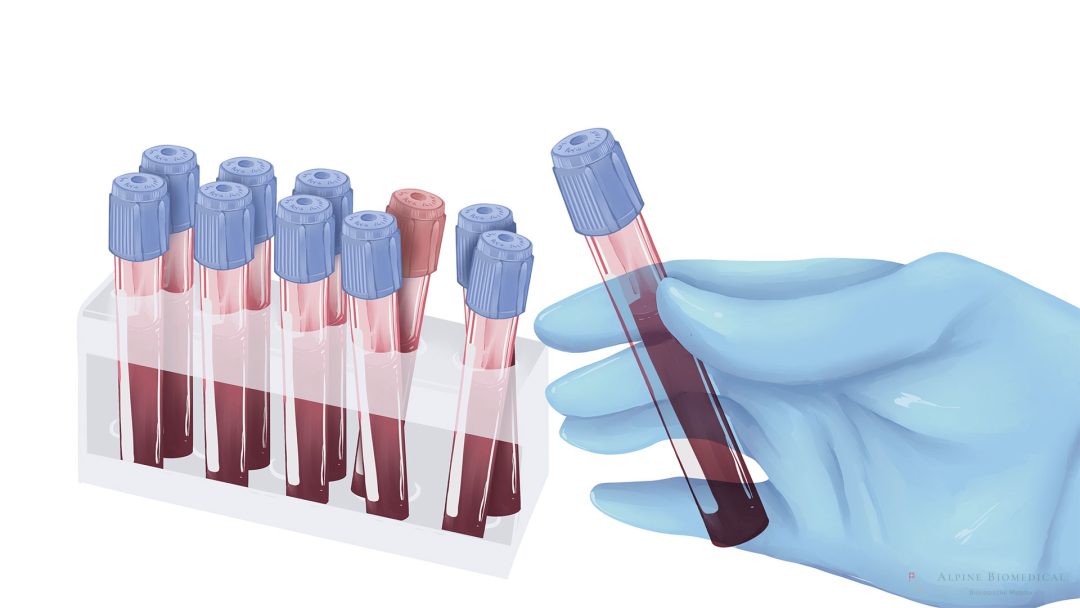
A blood test describes the laboratory diagnosis of blood, where different blood values are determined. The most well-known is the complete blood count, which counts the blood cells such as red blood cells, white blood cells, platelets, and also measures the hemoglobin level. In the complete blood count, or also called differential blood count, the white blood cells, or leukocytes, are further broken down.
The blood test in the laboratory provides the therapist with information on the number of blood cells, missing vitamins, minerals, trace elements, or immunological and toxicological parameters. Numerous other substances such as enzymes, metabolic products, or hormones can be measured, which provide information about various organ functions (for example kidneys, liver, or thyroid). With these values, the doctor obtains additional information about the patient’s health situation and can plan and carry out a correct and effective therapy.
When it comes to blood tests, it is very important to select reliable laboratories that can determine blood values with high significance and precision.
Dr. med. Karsten Ostermann M.A.
The Alpine BioMedical Clinic works with established laboratories with the highest quality standards to obtain an accurate and meaningful blood analysis.

Further information
Further information intended to give a better overview of the topic.