
ECG
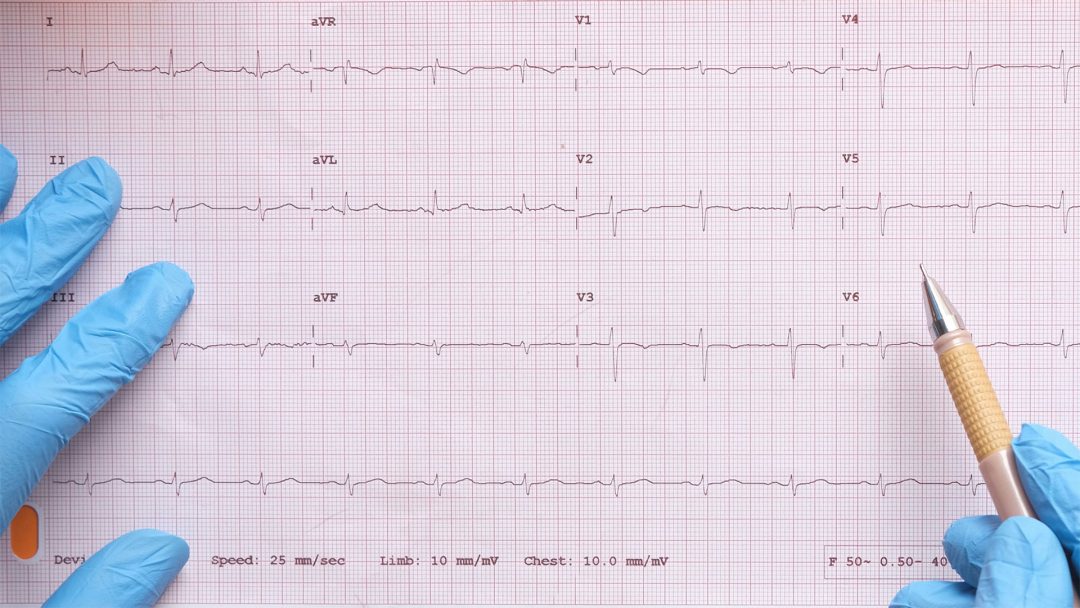
The ECG, or electrocardiogram, is a diagnostic method for examining the heart. Through the ECG, the electrical activity of the heart is graphically recorded, providing the therapist with information about the heart’s functionality.
The ECG produces the distinctive waveform, which reflects the spread of electrical impulses within the heart. This allows for the identification of irregular heart rhythms, blockages in impulse conduction, or additional heartbeats (known as extrasystoles).
During an electrocardiogram, electrodes, small sensors, are attached to the chest to transmit electronic signals for analysis.
Med. pract. Dana Hreus M.A.
At the Alpine BioMedical Clinic, the ECG is regularly employed for diagnosing heart function and serves as a valuable measurement tool before treatment planning.

Further information
Further information intended to give a better overview of the topic.