
Arthrosis
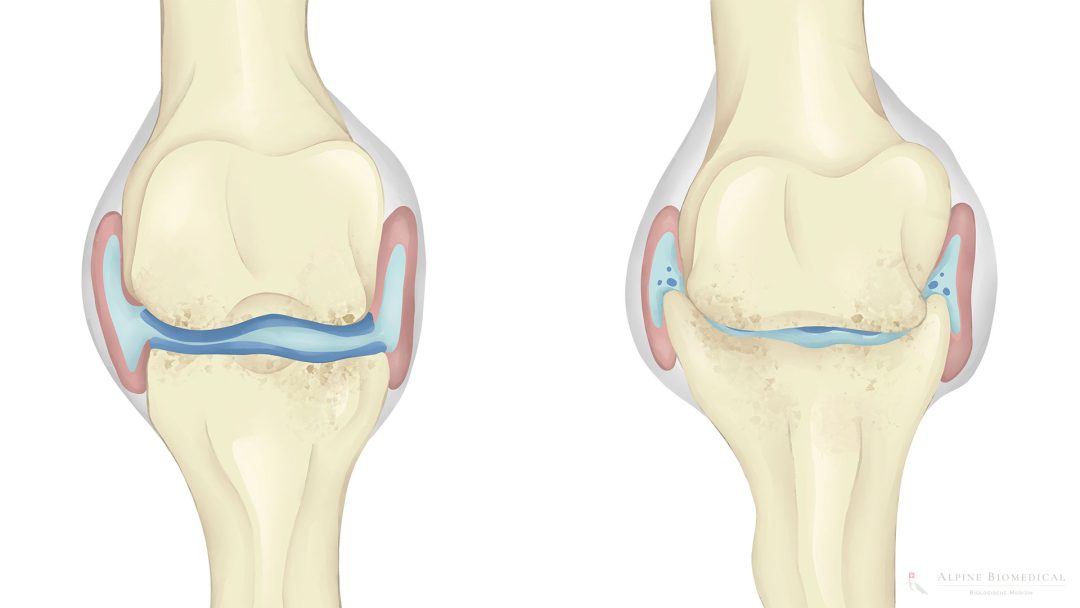
Arthrosis, also known as joint wear and tear, is a common chronic degenerative joint disease that often occurs over the course of a lifetime. Arthrosis primarily affects the joint cartilage. It is believed that as arthrosis progresses, this cartilage gradually breaks down, leading to joint pain, stiffness and limited mobility. The spine, shoulder, knee and hip joints are most commonly affected.
Symptoms of Arthrosis
The most common symptoms of Arthrosis are:
- Pain and swelling of the joints
- Restricted mobility
- Joint stiffness, especially after standing up
At an advanced stage, severe permanent pain and a pronounced restriction of mobility in the affected joints can become noticeable.
Causes of Arthrosis
The main causes of arthrosis are an unhealthy lifestyle, genetic predisposition and excessive strain on the joints. However, injuries or other joint diseases can also be a trigger.
Treatment of Arthrosis
Conventional treatment generally focuses on relieving pain, reducing inflammation and promoting joint mobility. This can be done conservatively through physiotherapy, medication, minerals, injections and weight management. In advanced cases, surgery may also be considered.
Detoxification measures play an important role in the holistic medical approach by helping to eliminate harmful substances from the body. This includes the targeted elimination of toxic metals, the reduction of environmental toxins and the promotion of healthy intestinal flora (intestinal cleansing). A balanced diet is crucial to provide the body with the necessary nutrients. An adapted diet can not only strengthen the immune system, but also promote general health. Stress management also plays a central role in holistic therapy, as chronic stress weakens the immune system and can influence the course of diseases.
It is important to emphasize that holistic approaches should often be considered as complementary measures to conventional medical treatment.
Med. pract. Dana Hreus M.A.
An experienced physician is able to create individualized therapy plans that are specifically tailored to the patient's needs and circumstances.

Further information
The information listed contains relevant topics and serves to improve understanding.