
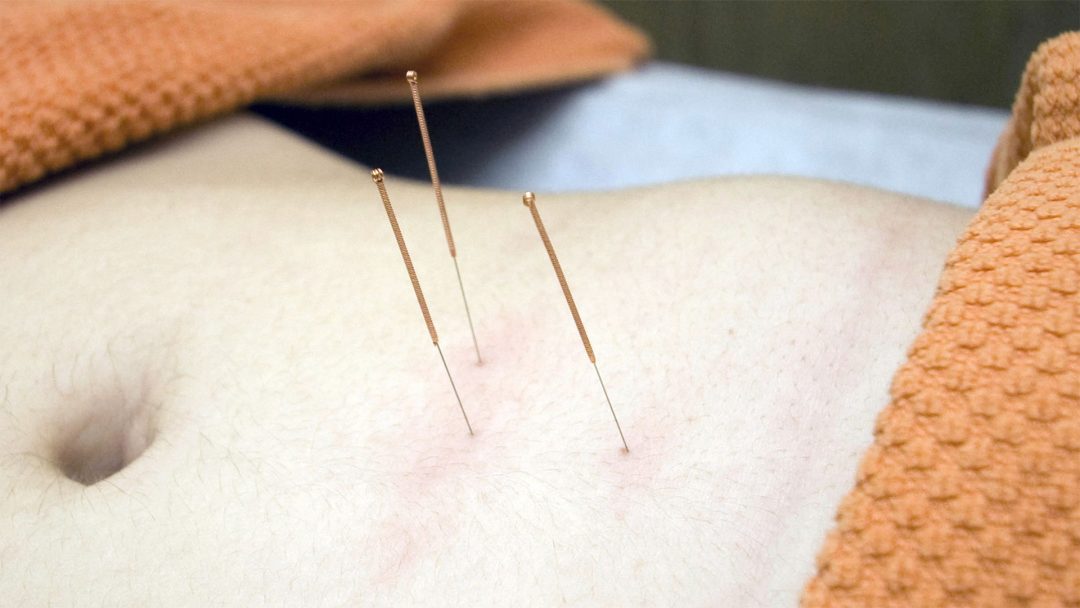
Acupuncture

Acupuncture

Acupuncture is a proven method of Traditional Chinese Medicine (TCM) that has been used for a long time to alleviate various ailments. By placing fine needles at specific points on the body, the energy flow, also known as Qi, is supposed to be balanced and self-healing stimulated. It is particularly supportive for pain, stress, sleep disorders, and digestive problems. The treatment is usually barely noticeable and is experienced by many as pleasant and relaxing. It can be a gentle, holistic complement or alternative to conventional medicine and can be individually adapted to the patient’s specific needs.

What is Acupuncture?

Acupuncture is a central therapeutic method of Traditional Chinese Medicine (TCM), in which fine needles are placed at specific points throughout the body. This regulates the energy flow, also known as Qi. According to TCM, Qi circulates through unmeasurable energy pathways called body meridians. The meridians serve as connections between various organs and the body’s tissues. They ensure the harmonious interaction of all body functions. When the energy flow is disrupted, this can lead to physical or emotional complaints.

By placing needles at specific acupuncture points, the Qi flow is stimulated in an attempt to restore balance in the body. Therefore, acupuncture is often used to treat pain, stress, sleep disorders, digestive problems, and other ailments. Its actual origin is in Chinese acupuncture, which is part of the more comprehensive system of TCM, encompassing various holistic healing methods.

However, acupuncture is not only used in Traditional Chinese Medicine but has also increasingly established itself in the Western world as part of complementary medicine. Thus, conventional medical treatments can be additionally supported and the body’s healing processes promoted. Therefore, acupuncture is increasingly seen and used as an effective method for promoting health and treating chronic diseases.

Different Methods of Acupuncture

Over time, acupuncture has evolved and now encompasses many different techniques that can be used depending on individual needs and complaints. Besides the classical methods, where needles are placed at specific points on the body, there are also special methods that target specific regions or certain bodily functions. Each of these forms of acupuncture has its own characteristics and applications, which can be used to specifically treat different health complaints.

Traditional Chinese Acupuncture (TCM Acupuncture)

Traditional Chinese acupuncture assumes that the body is traversed by a network of energy pathways, the meridians. These conduct the life energy, the so-called Qi, and ensure a harmonious balance. If blockages or imbalances occur, health problems can arise. By precisely placing fine needles at specific points, the energy flow should be brought back into balance and the body’s natural self-healing powers, which are hereby supported. This method is often used for pain therapy, digestive problems, stress, and many other complaints.

Japanese Acupuncture

Japanese acupuncture is a particularly gentle method where very fine needles are often only superficially inserted into the skin. An important component of this technique is the precise examination of the skin by palpation to individually determine the appropriate acupuncture points. Thus, the treatment can be specifically tailored to the patient and is also usually perceived as very pleasant. Especially people with sensitive skin or fear of needles benefit from this gentle form of acupuncture.

Korean Hand Acupuncture

Korean hand acupuncture focuses exclusively on the hands, as these are considered a mirror of the entire body. Through the fine needles, specific points can be targeted to stimulate and positively influence organs, muscles, and the nervous system. This method is often used for pain therapy, internal diseases, or to strengthen the immune system. Since it is limited to the hands, it is particularly practical and can be easily combined with other acupuncture techniques.

Scalp Acupuncture

Scalp acupuncture is another specialized method of acupuncture that is primarily used for neurological and psychological disorders. Here, fine needles are placed at specific points of the scalp that are directly related to the central nervous system. This technique is particularly common for conditions such as stroke aftereffects, multiple sclerosis, or Parkinson’s disease, as it can support nerve regeneration and improve motor functions. Scalp acupuncture also shows promising effects for chronic pain and depression.

Ear Acupuncture (Auriculotherapy)

Ear acupuncture is based on the idea that the ear is a representation of the reflex zones of the entire body. Each area of the ear is connected to specific organs and body regions, so placing needles can specifically treat complaints. This method is particularly often used for pain therapy, to treat sleep disorders, or allergies. Since the acupuncture points on the ear are particularly sensitive, this form of therapy can be very effective, even if only a few needles are used.

Electroacupuncture

In electroacupuncture, classical acupuncture needles are stimulated with weak electrical impulses after being placed. This method enhances the effect of acupuncture and can be particularly helpful for severe pain, paralysis, or muscular tension. The electrical stimulation can also achieve a deeper and longer-lasting effect, as the stimuli continuously affect the acupuncture points. Electroacupuncture is therefore often used for neurological disorders, muscle tension, and chronic pain.

Laser Acupuncture

Laser acupuncture is, alongside acupressure, a needle-free alternative to classical acupuncture and uses focused light instead of fine needles to stimulate the acupuncture points. This method is particularly pain-free and therefore well-suited for children or people with trypanophobia (a fear of needles). Laser acupuncture is often used for wound healing, inflammatory diseases, or pain relief. Since it does not cause skin injury, there is also no risk of infection, making it a very safe therapy option.

Acupressure

Acupressure follows the same principles as acupuncture but uses manual pressure directed at the corresponding points instead of needles. This technique can be used independently or as a complement to acupuncture and is particularly practical for self-treatment. Acupressure is often used to alleviate headaches, nausea, stress, and tension. It can be performed with both fingers and special acupressure mats or massage sticks.

Moxibustion

In moxibustion, acupuncture points are warmed by burning mugwort, the so-called moxa, to promote the body’s energy flow. This method is often combined with conventional acupuncture but can also be used alone. It is particularly often used for digestive problems or to strengthen the immune system. Moxibustion also plays a role in pregnancy preparation, for example, in the treatment of breech positions of the baby.

Microacupuncture Systems

Microacupuncture systems are based on the idea that certain body regions such as the hands, feet, or face function as reflex zones for the entire organism. By placing needles at targeted small areas, an effect on the entire body can thus be achieved. This method is often used for pain therapy or internal diseases. Particularly well-known is the Korean hand acupuncture, but facial and foot acupuncture are also being increasingly adopted.

Trigger-Point Acupuncture

This special form of acupuncture focuses on so-called trigger points. Trigger points are painful, hardened muscle areas that are often the cause of chronic pain. Through needle stimulation, these muscle knots can be loosened, blood circulation improved, and pain relieved again. This method is particularly effective for back pain, tension, and myofascial pain syndromes. It is therefore often used by physical therapists and pain therapists.

Cupping Acupuncture

Cupping acupuncture is a combination of classical acupuncture and cupping. Cupping is a technique where blood circulation in the tissue is stimulated by creating suction through cupping glasses. First, acupuncture needles are placed, and then cupping glasses are placed over certain skin areas to achieve a deeper effect. This method is particularly used for the treatment of muscle tension, circulatory disorders, and chronic pain.

How Does Acupuncture Work?

During acupuncture, needles are set at specific points along the body’s meridians, which are connected to various organs and body functions. As soon as the fine needles are inserted into the skin, the Qi flow is stimulated, which encourages the harmonization of energy in the body. The goal is to dissolve blockages and restore the natural energy flow. Thus, it can be said that the mode of action of acupuncture is based on the activation of the body’s self-healing powers.

Through the fine needle stimulation, not only the meridians, but also the blood circulation and the metabolism of the body  are stimulated. Furthermore, acupuncture stimulates the release of endogenous substances such as endorphins and serotonin, which have a pain-relieving and calming effect on the body.

As a rule, the effect of acupuncture becomes noticeable to most patients as an improvement in physical and emotional balance. Therefore, acupuncture is used for pain relief, stress management, and the treatment of a variety of complaints such as chronic pain, migraines, sleep disorders, and digestive problems. It is also believed that acupuncture can strengthen the immune system and promote healing from illnesses. These potential effects are very promising, but are still being scientifically investigated to better understand and substantiate their underlying mechanisms.

Acupuncture Effects and Benefits

Acupuncture works through targeted stimulation of specific points that help regulate the body’s energetic balance. This method can positively affect health in many ways, particularly by improving blood circulation and thus promoting optimal supply of oxygen and nutrients to the body’s tissues. Additionally, acupuncture can stimulate metabolism and support anti-inflammatory processes. This makes it particularly valuable in the treatment of chronic pain and inflammatory diseases.

Treatment with acupuncture can be used in many ways, as it has beneficial effects on many different complaints. These include, for example, muscle and joint pain, migraines, sleep disorders, and digestive problems. Most patients show first improvements after just a few sessions. However, for more complex or chronic diseases, regular treatment over a longer period may be necessary to achieve noticeably sustainable relief.

Another significant effect is the release of endogenous messengers such as endorphins, serotonin, and dopamine. These substances alleviate pain, have a mood-lifting effect, and can support general well-being. The release of messengers through acupuncture is triggered by the targeted stimulation of sensory nerves at the acupuncture points. By inserting the fine needles, signals are sent via the spinal cord to the brain, particularly to the hypothalamus and the pituitary gland. These important centers consequently release endorphins, serotonin, and dopamine, which have pain-relieving and mood-lifting effects. Therefore, acupuncture is suitable not only for the treatment of acute and chronic pain but also for stress management and the restoration of emotional balance.

Acupuncture Side Effects and Risks

Although acupuncture is generally considered a very safe method, side effects can occur, as with any treatment. However, these are usually mild and only temporary. Relatively common are fine skin irritations at the puncture sites, but they usually disappear on their own rather quickly. Also, in rare cases, slight bleeding or bruising can occur at the puncture sites, but these are usually harmless and heal by themselves quickly. A very rare but possible side effect is the development of an infection after treatment. These can occur if the needles are not properly sterilized. For this reason, it is important that acupuncture treatment is always performed by a qualified specialist.

Many patients wonder if placing the needles during acupuncture is painful. Usually, the treatment is hardly or not at all perceived as painful, as the needles used are extremely thin. Most patients perceive only a slight poking or pressure sensation, which often lasts only a few seconds. Therefore, acupuncture can overall be considered a rather gentle and well-tolerated form of therapy.

Overall, the side effects of acupuncture are usually minor, and the treatment is well-tolerated by most patients and even described as relaxing. If you have concerns or questions, it is still important to approach your therapist.

Acupuncture Points

In Traditional Chinese Medicine (TCM), specific acupuncture points play a central role. They are precisely defined places on the skin that are targeted with needles to regulate the energy flow in the body. According to TCM teachings, these points run along the meridians, the body’s energy pathways. They can be associated with various organs and body functions.

When these points are stimulated by fine needles, pressure, or heat, this can resolve blockages in the energy flow and thus improve health complaints. The points are distributed throughout the body, with each one having a specific effect. Through the proper application of acupuncture, complaints can be alleviated, self-healing promoted, and physical balance restored.

In acupuncture, there are over 360 known points, distributed across 12 main meridians and several additional meridians. Each of these points fulfills a specific function and can be targeted for the treatment of various complaints. Besides the traditional acupuncture points, there are also modern extensions, such as trigger points primarily used in pain therapy.

Depending on their location and function, acupuncture points can be categorized into different categories:

  • Local points: These points are located directly at the affected body part and are used for the treatment of pain or injuries in the corresponding region.
  • Distal points: These points are located further away from the painful or affected region but have a reflective effect on the affected organs or body parts.
  • Trigger points: These points are particularly important in modern pain therapy. They are located in tense muscle strands and can alleviate pain conditions through targeted stimulation.

We also want to give you a small overview of the most important acupuncture points, in order to elaborate on their anatomical region and effect in a little more in detail:

  • Hegu (LI4): Between thumb and index finger This point is particularly often used for pain relief. It can help with headaches, toothaches, and finger stiffness and also supports stress relief.
  • Neiguan (PC6): On the inside of the wrist, about three finger widths above the wrist crease Neiguan is known for its calming effect on the stomach and nervous system. It is commonly targeted towards nausea, motion sickness, as well as for heart complaints.
  • Zusanli (ST36): A few finger widths below the kneecap on the outside of the shin This point is considered one of the most important in TCM, as it strengthens the immune system, regulates digestion, and improves general vitality.
  • Taichong (LV3): On the back side of the foot, between the first and second midfoot bones Taichong is often used for the treatment of stress, emotional complaints, and headaches. Furthermore it helps release tensions in the body and restore the free flow of energy.

Body Regions and Their Significance in Acupuncture

Acupuncture primarily relies on the precise treatment of selected body areas. Each body region is connected to specific organs, muscles, and nerve pathways, allowing the placement of needles at targeted points to alleviate a variety of complaints. The choice of acupuncture points is based on the type of disease, the patient’s personal complaints, and the energetic imbalance in the body. In addition to conventional body acupuncture, there are also specialized techniques that specifically activate reflex zones on hands, feet, or ears to promote healing processes.

Acupuncture Points on the Ear

Ear acupuncture, also known as auriculotherapy, is based on the assumption that the ear represents a reflex zone for the entire body. Specific areas of the ear are connected to various organs and body functions, so that stimulation of these points through needles, acupressure, or laser can achieve a more precise effect. This technique can not only help alleviate complaints but also contributes to restoring the body’s natural balance. Ear acupuncture can therefore be used not only for pain treatment but also for various other health problems.

Ear acupuncture has established itself particularly in pain therapy as an effective method, as it directly affects central pain processing in the brain through the nervous system. Furthermore, it is also applied in the treatment of stress and is used supportively in recovering from addictions. Through its regulating effect on the autonomic nervous system, it can also alleviate sleep disorders by strengthening the balance between tension and relaxation.

Typical applications of this form of acupuncture include the treatment of headaches, back pain, and joint pain, as it can achieve better modulation of pain perception. Ear acupuncture is also frequently used in smoking cessation programs, the treatment of excessive alcohol consumption and eating disorders, as it also influences the brain’s reward system. Additionally, ear acupuncture contributes to restful sleep and shows positive effects in diseases such as tinnitus or acute ear disorders.

A significant advantage of this technique lies in its high precision. Just a few precisely placed needles can be sufficient to achieve a noticeable therapeutic effect. It is often combined with other forms of acupuncture to enable a more comprehensive treatment approach and achieve long-term therapeutic success.

Acupuncture Points on the Hand

Acupuncture on the hand is also based on the principle of reflex zones, where certain areas of the hand, as with ear acupuncture, are connected to various body regions and organs. Acupuncture on the hand can regulate the energy flow in the corresponding meridians through targeted placement of needles, thereby achieving relief from complaints.

Another major advantage of this method is that the acupuncture points on the hand are easily accessible and therefore self-treatment is easily reproducible with minimal training. But even without needles, applying pressure to these points with the fingers through acupressure can help with everyday afflictions such as headaches, back pain, digestive disorders, and stress. Through regular application of this method, general well-being can be improved and a noticeable relief from complaints achieved.

Acupuncture Points on the Foot

Acupuncture on the feet is another important component of traditional healing methods, as the soles of the feet and toes are connected to many internal organs through reflex zones. Each area of the foot therefore has a direct relationship to specific organs and body parts.

Acupuncture on the foot is particularly effective for complaints of the musculoskeletal system, such as joint or muscle pain. Additionally, foot acupuncture has also proven helpful in alleviating digestive disorders and reducing stress. By targeting acupuncture points on the foot, pain can be relieved and the body’s energy flow can be brought back into balance. As with acupuncture on the hand, self-treatments are easy to perform. By exerting regular pressure on these points, blood circulation can be improved and tension in the body reduced.

The acupuncture points on the foot can also be used for special complaints such as migraines, sleep disorders, and hormonal imbalances, as many of these zones are directly connected to the corresponding organs. A targeted application of acupuncture techniques can help alleviate both physical and mental complaints and restore the body’s energetic balance.

Acupuncture Points on the Head

Acupuncture points on the head are of great importance when it comes to treating neurological and psychological complaints. The head is considered a key area for regulating the nervous system and enhancing mental clarity. Through targeted acupuncture at specific points, blockages in the body’s energy flow can be resolved. This can lead to a variety of positive effects.

Acupuncture points on the head have proven particularly helpful for migraines, headaches, dizziness, and sleep disorders. Furthermore, it mitigates emotional stress and associated symptoms such as anxiety or nervousness. By targeted stimulation of acupuncture points on the head, the nervous system is stabilized and physical as well as mental well-being improved. This form of acupuncture is thus an effective method for supporting inner balance and alleviating physical and psychological complaints.

Acupuncture on the Knee

Acupuncture on the knee is another very effective method that primarily serves to alleviate pain and improve mobility in the knee, if knee complaints are present. Especially in inflammatory diseases such as arthrosis or rheumatism this therapy leads to positive results, yet it is just as useful for injuries sustained during sports. This can be attributed to the placement of needles at specific points, which stimulates blood circulation in the affected area, which can contribute to reducing inflammation and improving the body’s natural healing processes.

Furthermore, acupuncture is also often employed for more general knee complaints, the alleviation of pain and even the restoration of the knee joints functionality. Particularly during chronic pain and limited joint mobility, this form of acupuncture helps support the healing process.

Acupuncture on the Back and Neck

Similar to the knee or the head, acupuncture at points in the neck and back area have proven very effective in mitigating neck pain, back pain, and tension in these areas. For problems such as chronic back pain, neck pain, lumbago, spinal disc problems, or neck stiffness, acupuncture is commonly utilized for significant pain relief. By placing the needles, the energy flow is harmonized, and in addition the musculature is relaxed by stimulating blood circulation. This facilitates the relief of rigidity, which then aids in the restoration of range of motion of the affected regions.

Acupuncture not only supports the relaxation of the musculature but also promotes blood circulation in the surrounding areas, which supports the healing process in muscular and joint-related complaints. The therapy also contributes to long-term relief, particularly from chronic pain, often caused by poor posture or degenerative changes in the spine. Furthermore, acupuncture also has a pain-relieving effect by regulating pain perception in the brain via the nervous system. This method is frequently used in addition to other treatments to achieve sustainable improvement in mobility and effectively alleviate chronic pain.

Applications of Acupuncture

Acupuncture is a proven healing method that is used in numerous medical fields and can improve both physical and mental well-being. Fundamentally, it is based on the targeted placement of fine needles at certain points of the body, which harmonize the energy flow and activate the natural mechanisms of self-healing. This method can either be utilized as an independent therapy or in combination with other treatment approaches and has proven to be effective especially for chronic and acute diseases.

Acupuncture for Back Pain

Acupuncture is considered a proven method for treating back pain and can be effective for both acute and chronic pain. It aids in loosening tense muscles, stimulating blood circulation, and regulating the energy flow in the affected areas. This method is especially useful in relieving complaints such as lumbago, spinal disc problems, or neck stiffness.

By stimulating typical acupuncture points, such as BL23 (Shenshu), BL25 (Dachangshu), and DU3 (Yaoyangguan), pain can be reduced and mobility improved, allowing the musculature to regenerate faster, as acupuncture directly promotes blood circulation in the lower back.

Acupuncture is also frequently employed in addition to physiotherapeutic treatments to achieve long-term improvement. The combination and variety of different treatment options not only lessens acute complaints but also helps to prevent back pain in the long-term.

Acupuncture for Nerve Pain

Nerve pain, also known as neuropathic pain, usually arises from irritations or damage to the nerves and can manifest as an intense burning, stabbing, or electrifying painful sensation. This frequently occurs in diseases such as diabetes, shingles, or spinal disc problems. Fibromyalgia, a chronic pain disorder associated with widespread muscle and nerve pain, is also associated with neuropathic complaints.

Acupuncture has proven to be an effective therapeutic approach for relieving these pains, as it specifically interferes with the body’s pain processing. Especially in chronic nerve pain, this method can help reduce the occurring inflammatory reactions and calm the nerves.

Proven acupuncture points for the treatment of nerve pain include “Baihui” (DU20), which stabilizes the central nervous system and regulates energy distribution throughout the body, as well as “Zusanli” (ST36), which has a empowering and calming effect on the nervous system. In fibromyalgia, acupuncture helps loosen muscle tension, improves sleep quality, and increases general well-being.

Acupuncture for Headaches and Migraines

Acupuncture has been successfully used for many years to treat headaches, especially migraines and tension headaches. Its main goal is to resolve blockages in energy flow, reduce firmness of the tension in the head and neck area, and restore the body’s original balance. Certain acupuncture points are particularly effective, such as GB20 (Fengchi), LI4 (Hegu), and ST8 (Touwei). They can help reduce the intensity of headaches as well as migraine attacks. Furthermore, stimulation of these points has a relaxing effect on the nervous system and supports the regulation of blood pressure. Many people therefore use acupuncture not only to alleviate acute pain but also as a preventive measure to stave off migraine attacks in the long term.

Acupuncture for Allergies

Acupuncture has also established itself as valuable support in the treatment of allergic reactions, especially for complaints such as seasonal hay fever and asthma: stabilizing the immune system, reducing inflammation in the body, and alleviating symptoms such as typical sneezing, itching, or breathing problems. LI20 (Yingxiang), BL2 (Zanzhu), and ST36 (Zusanli) are the primary acupuncture points, augmenting the allergic reaction. By activating the Qi flow at these points, a reduction of inflammatory processes in the respiratory tract as well as on the skin is to be expected. Therefore, treatment with acupuncture can noticeably reduce the intensity of allergy symptoms, especially during the respective season, which makes it a valuable complement to conventional medical treatments.

Acupuncture for Sleep Disorders

Sleep disorders are a well-known problem and can be caused by various reasons, from emotional stress all the way up to physical complaints. Acupuncture has proven to be a helpful force in stabilizing the sleep-wake cycle in addition to producing a calming effect on the body. Falling asleep disorders, problems with sleeping throughout night, and general restlessness are cases, wherein acupuncture often offers noticeable relief. The primary acupuncture points known for calming the nervous system and significantly improving sleep quality are HT7 (Shenmen), SP6 (Sanyinjiao), and Anmian. This therapy cultivates deeper and more restful sleep and in addition helps to lower cortisol levels, which puts the body in a relaxed and regenerative state.

Acupuncture for Digestive Problems

Digestive problems such as, but not limited to irritable bowel syndrome, stomach complaints, and nausea can be effectively eased through the targeted use of acupuncture. The regulation of gastrointestinal function, a healthy digestion, and harmonization of the energy flow in the digestive tract can be achieved via acupuncture. By targeted stimulation of certain acupuncture points, mainly ST36 (Zusanli), CV12 (Zhongwan), and SP4 (Gongsun), digestion is stimulated and a state of well-being is achieved. These acupuncture points act directly on the gastrointestinal area and thus help alleviate nausea, bloating, and constipation. Especially with chronic digestive problems, acupuncture has proven to be a long-term support that promotes sustainable improvement of gastrointestinal health.

Dr. med. Karsten Ostermann M.A.

With the help of acupuncture, the body's healing powers can be activated and recovery is effectively supported. We will be happy to help you if you have any questions.

Dr. Karsten Ostermann

Frequently Asked Questions about Acupuncture

Below, we would like to address your most common questions and concerns about acupuncture and give you an even more insightful overview of the effect, application, and benefits of this traditional treatment method.

Acupuncture can relieve various complaints such as pain, stress, or sleep disorders by facilitating the body’s own balance and activating self-healing powers. Through the stimulation of targeted points, the nervous system is influenced, leading to the release of endorphins and improved blood circulation. Many patients benefit from the positive effects, especially those with chronic pain, migraines, or muscular tension.

Most patients perceive the needles as barely noticeable, as they are very thin and gently placed. A slight pulling, tingling, or warmth sensation can nevertheless occur in some cases. In extremely rare cases, temporary pain or a so-called initial aggravation can occur, especially if the body reacts strongly to the treatment. Greater pain post-therapy is very atypical and should be discussed more precisely with the therapist.

The onset of acupuncture effects varies from person to person. While some patients feel an improvement after the first session, others need several sessions before a noticeable relief occurs. Acute complaints often respond faster to the treatment than chronic diseases, which require regular application.

The frequency of acupuncture is not set in stone, and heavily depends on multiple factors, such as the type of complaints and the individual reaction of the body. For acute pain or complaints, treatment once a week is suggested, while for chronic diseases, patients are often treated regularly over several weeks. In Traditional Chinese Medicine, a series of about ten sessions is often recommended to achieve sustainable effects.

A typical acupuncture session usually lasts about 20 to 45 minutes, which however depends on the diagnosis and the method applied. The actual time the needle stays in the skin is usually between 15 and 30 minutes, while the patient lies relaxed. Before the treatment, a detailed conversation takes place in order to establish the patient’s medical history and current complaints, which is essential to determine the appropriate acupuncture points. Some therapists also combine the session with other methods such as cupping, which can slightly extend the treatment duration.

Acupuncture and acupressure are each based on the same principles of Traditional Chinese Medicine, but while in acupuncture fine needles are inserted at specific points, acupressure is done by applying pressure at those specific points instead, using the fingers or special aids. Acupressure can easily be applied at home, for example through an acupressure mat. Acupuncture, on the other hand, should always be performed by a trained therapist to ensure safety and effectiveness.

Acupuncture is increasingly being used as a complementary therapy to alleviate allergies such as hay fever or asthma. Studies show that the treatment can modulate the immune system and stimulate anti-inflammatory processes, thereby reducing typical symptoms such as a stuffy nose, itching, or breathing problems. Particularly in the preventive phase, the time right before the start of the allergy season, regular application of acupuncture can help reduce the body’s sensitivity.

An initial aggravation after an acupuncture treatment refers to a temporary intensification of existing symptoms or the occurrence of new complaints after an acupuncture treatment. In Traditional Chinese Medicine, this is valued as a sign that the body is responding to the stimulation and the healing process is starting. This reaction is usually only of short duration and subsides within a few hours or days on its own. However, if the complaints persist longer or are particularly strong, further consultation with the therapist is strongly advised.

Treatment with acupuncture should exclusively be performed by trained professionals, as improper application can lead to injuries or unwanted side effects. Acupressure is a safe alternative for home, whereby pressure is applied specifically to certain points. Tensions can be released, stress reduced, or slight complaints alleviated, if done properly. Nevertheless, it does not replace professional acupuncture treatment, especially for more complex complaints or chronic diseases.

Further information

Further information intended to give a better overview of the topic.