
Arthritis
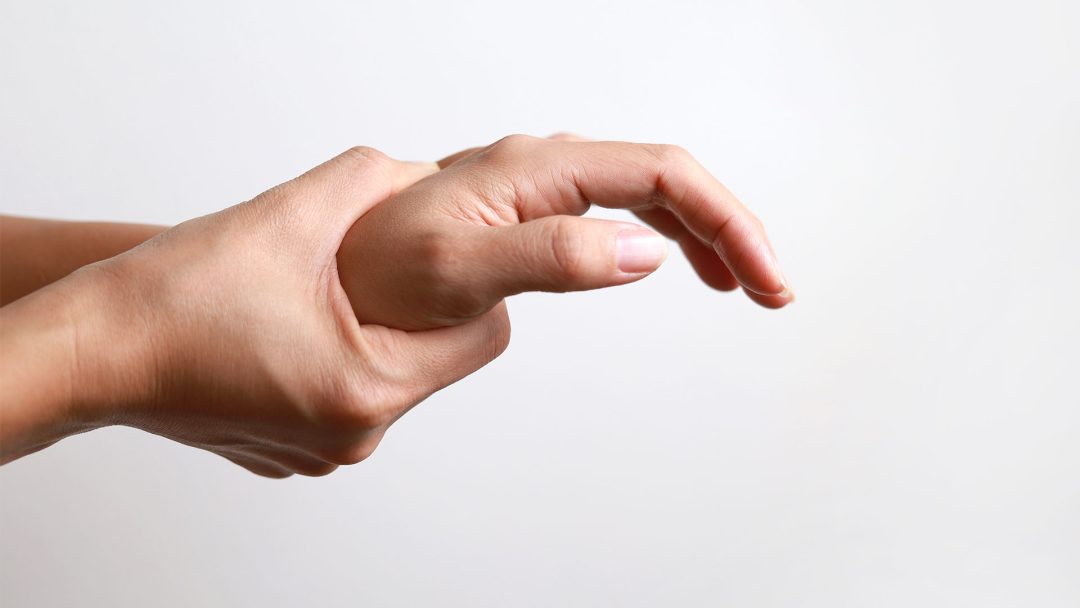
Arthritis is an inflammatory disease of the joints that leads to pain at rest, swelling, stiffness and limited mobility. Symptoms can occur gradually or suddenly and often have a significant impact on quality of life, as it severely restricts the ability to carry out everyday tasks.
Arthritis can occur in any joint of the body and can affect the temporomandibular joint as well as the joints of the fingers and toes.
Arthritis Symptoms
Arthritis causes inflammation in the joints. Consequently, the symptoms include the typical signs of inflammation:
Causes of Arthritis
The causes and triggers for arthritis can be varied:
- Genetic predisposition
- Autoimmune reactions
- Age-related wear and tear (osteoarthritis)
- Infections
- Metabolic disorders
- Chronic toxin exposure
- Intestinal dysbiosis and intestinal inflammation
Some common types of arthritis include rheumatoid arthritis (rheumatism), gout or pseudogout.
A detailed medical history, physical examination, targeted imaging procedures and laboratory tests are required to make an appropriate diagnosis.
Treatment of Arthritis
Treatment options for arthritis depend on the underlying causes.
In general, pain-relieving and anti-inflammatory medication, physiotherapy and lifestyle changes are possible approaches. A change in diet that takes into account the avoidance of food intolerances and intolerances should be adapted and maintained.
If you are overweight, you should aim to lose weight.
In some cases, surgical interventions (e.g. replacement of a damaged joint) may be necessary.
Early detection and comprehensive treatment are crucial to slow the progression of arthritis and improve the quality of life of those affected.
Many people are looking for complementary approaches to relieve their arthritis symptoms and improve their quality of life. Complementary and naturopathic methods can be a valuable addition to conventional treatments. Some of these approaches are explained in more detail below:
- Diet and supplements: A healthy diet can help reduce inflammation in the body, which can play a role in arthritis. Foods with anti-inflammatory properties such as omega-3 fatty acids (e.g. fish, flaxseed, chia seeds), fresh fruit and vegetables, ginger and turmeric can be helpful. In addition, dietary supplements such as glucosamine, chondroitin and methylsulfonylmethane (MSM) can be used to support joint health.
- Exercise and physiotherapy: Regular exercise is crucial for maintaining joint function and can help reduce pain and stiffness. Joint-friendly exercises such as swimming, cycling and yoga can be particularly beneficial. Physiotherapy can help improve joint mobility and strengthen muscles, which in turn can reduce stress on the joints.
- Acupuncture: Acupuncture is a traditional Chinese treatment method in which fine needles are placed at specific points on the body to regulate energy flow and relieve pain. Numerous studies have shown that acupuncture can be effective in treating arthritis by reducing pain and improving joint function.
- Natural remedies: Various herbs and herbal preparations are used in traditional medicine to treat arthritis. Examples include boswellia, devil's claw, frankincense and nettle. These substances have anti-inflammatory and pain-relieving properties and can be taken in the form of teas, tinctures or capsules.
- Other professional measures: Effective therapeutic measures such as INUSpheresis, ozone therapy, neural therapy, cupping, treatment with leeches, intravenous laser therapy or intestinal cleansing can be used effectively for osteoarthritis. It is always important that each procedure is embedded in a coherent and effective treatment concept.
Med. pract. Dana Hreus M.A.
The treatment of arthritis should focus on both the symptoms and the causes. We will be happy to help you further.

Further information
The information listed contains relevant topics and serves to improve understanding.