
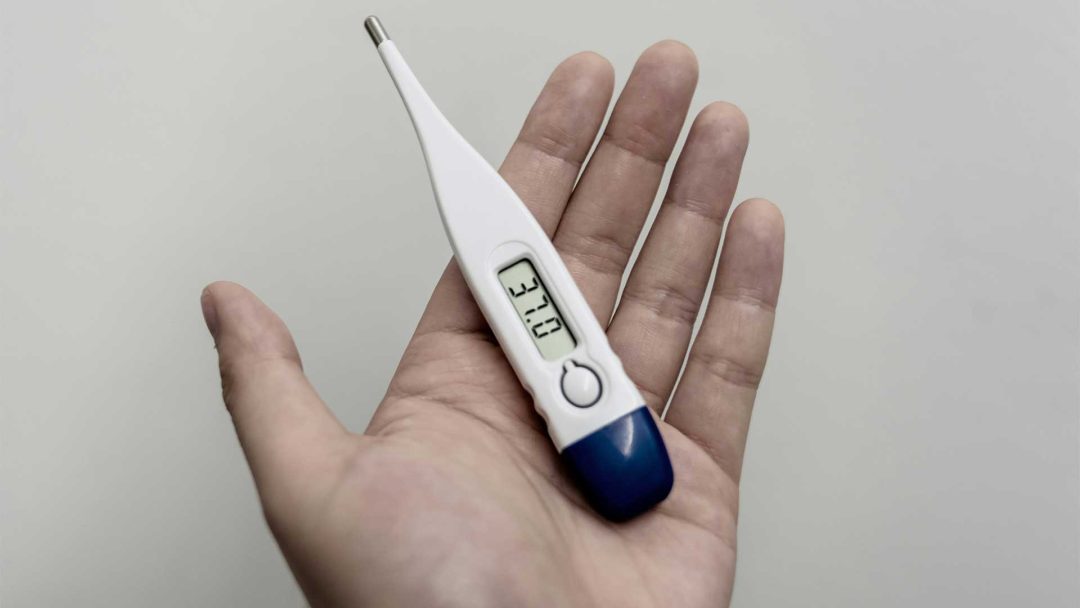
Fever

The content provided herein is for informational and educational purposes only. it does not constitute an endorsement or promotion of any specific diagnostic methods, treatments, or pharmaceutical products. This information is not a substitute for professional medical advice, diagnosis, or treatment from a qualified physician or pharmacist. It should not be used as a basis for self-diagnosis or for starting, modifying, or discontinuing any medical treatment. Always seek the advice of your physician or another qualified healthcare provider with any questions you may have regarding a medical condition or health concerns.
Fever is a common response of the body to infections or inflammation and is one of the classic signs indicating that the immune system is at work. It occurs when the body intentionally raises its temperature to slow the growth of pathogens and to support the body’s defense mechanisms. In many cases, fever is a beneficial part of the natural immune response. It is a sign of an active bodily reaction. However, fever can become concerning when it rises very high, persists for several days, or is accompanied by additional symptoms such as severe discomfort, chills, circulatory problems, or changes in consciousness. Fever should be carefully monitored and evaluated early, especially in young children, elderly people, or individuals with pre-existing conditions.
What is Fever?
Fever refers to an increase in the body’s core temperature that is not caused by external heat, but rather by a deliberate response initiated by the body itself. This change in temperature is triggered by what’s called a “set point” adjustment in the hypothalamus — a part of the brain responsible for regulating body temperature. The body intentionally raises its normal temperature to support its defense mechanisms.
This reaction is mediated by substances known as endogenous pyrogens. These are the body’s own messenger substances such as interleukin-1, interleukin-6, or tumor necrosis factors, which are released as part of an immune response. They signal to the brain that an increase in body temperature is necessary to fight off pathogens or to activate the immune system. In response, the body begins to store and actively produce heat, such as through muscle shivering or the constriction of blood vessels in the skin. As a result, the core body temperature rises intentionally, often reaching levels above the normal range, typically around 38°C (100.4°F).
In many cases, the cause of fever can be quickly identified, such as with viral or bacterial infections. Sometimes, however, no clear cause can be found despite thorough diagnostic testing. In such cases, this is referred to as “fever of unknown origin.” This form presents a particular challenge and often requires extensive evaluation, as rare inflammatory, autoimmune, or oncological diseases may be the underlying cause.
What Happens During Fever?
Fever is a physiological response by the body to infectious or inflammatory processes. It serves as part of the innate immune defense and represents an interaction between the immune system and the central nervous system. This involves an intentional increase in body temperature, which aims to inhibit the growth of harmful pathogens while simultaneously optimizing certain functions of the immune system.
The process begins with the activation of the immune system by fever-inducing substances called pyrogens, which are either produced by the body itself or come directly from the pathogens. These pyrogens travel through the bloodstream to the temperature regulation center in the hypothalamus, which is located in the brain.
Once in the hypothalamus, pyrogens trigger a signaling cascade that induces the production of several enzymes, promoting the synthesis of prostaglandins. Prostaglandins are key mediators in the fever response. They act directly on receptors in the hypothalamus, leading to an increase in the body’s temperature set point. As a result, the body now interprets its normal temperature as being too low and initiates measures to reach the new target temperature.
Typical responses to the body’s new, higher temperature set point include constriction of peripheral blood vessels, especially those in the skin, to minimize heat loss. Additionally, shivering occurs, where muscle activity generates extra heat. This response is often perceived as feeling chilly or experiencing chills. All these mechanisms lead to an increase in the body’s core body temperature, resulting in fever.
Fever is a precisely regulated process by the body that supports its natural defense mechanisms. However, in certain situations, it may be necessary to monitor or reduce the fever, such as with very high temperatures or in cases of certain underlying medical conditions.
Dr. med. Karsten Ostermann M.A.
A doctor should be consulted immediately in the event of a high temperature, breathing difficulties or other alarming signs.

Fever Phases
Depending on the cause, fever can follow different patterns that can be divided into fever phases. These play an important role in diagnosis, as certain diseases show characteristic fever patterns. In clinical practice, identifying the phases of fever helps narrow down possible causes, particularly in cases of unclear or recurrent fever in adults.
- Intermittent fever: In this type of fever, daily fever spikes occur, with periods in between where the body temperature temporarily returns to normal or even drops below it. This pattern is typical of septic conditions, such as bacterial infections associated with sepsis. Intermittent fever can also occur with tuberculosis or visceral leishmaniasis.
- Remittent fever: This shows daily fluctuations in body temperature with a consistently elevated level, without ever returning to normal. The temperature may decrease, but it never fully resolves. A classic example of this is pneumonia or a severe urinary tract infection. This type of fever can also occur with rheumatic diseases.
- Continuous fever: With continuous fever, body temperature remains consistently elevated for at least 24 hours, with only minor fluctuations (less than 1°C or 1.8°F). This pattern is typical of diseases such as typhoid fever or certain viral infections, where the immune response proceeds in a particularly steady manner.
- Undulant Fever: Undulating means that the fever slowly rises over days or weeks, then decreases again, and this cycle repeats regularly. A well-known example is brucellosis or Hodgkin's lymphoma. This fever pattern can also occur with some autoimmune diseases.
- Intermittent/periodic fever: Characteristic of malaria is so-called intermittent fever, in which fever-free intervals alternate with periodically recurring fever episodes in a typical rhythm.
Rheumatic Fever
Rheumatic fever is an inflammatory systemic disease that can occur as a complication following an infection with streptococcal bacteria, typically after an untreated or insufficiently treated streptococcal throat infection. The disease primarily affects children and adolescents, but it can also occur in adults.
Pathophysiologically, rheumatic fever is a misdirected immune response. The body’s immune system produces antibodies against bacterial antigens that then react with structures in the body’s own tissues. The heart, joints, central nervous system, as well as skin and subcutaneous tissue are particularly commonly affected.
Rheumatic fever typically develops about 1–3 weeks after the acute streptococcal infection. For diagnosis, the so-called Jones criteria are used, which are divided into major and minor criteria and are only applied when a preceding streptococcal infection has been documented. The major criteria include:
- Carditis: Inflammation of the heart, which can lead to permanent valve damage in the long term, particularly affecting the mitral valve.
- Polyarthritis: Typically migratory inflammation of large joints, which usually heals without permanent damage.
- Chorea minor (Sydenham's chorea): Involuntary, jerky movements indicating involvement of the central nervous system.
- Erythema marginatum: Ring-shaped, non-itchy skin rashes.
- Subcutaneous nodules: Hard, painless nodules over the extensor surfaces of large joints.
Timely antibiotic treatment of a streptococcal infection is crucial to prevent the development of rheumatic fever.
Febrile Seizures
Febrile seizures typically occur in children between six months and five years of age.They develop during infections accompanied by fever. It is believed that they occur due to immature neuronal processing in the developing brain. The central nervous system reacts particularly sensitively to rapid body temperature increases, regardless of how high the fever level is. Febrile seizures are generally benign and do not cause permanent neurological damage.
A distinction is made between simple and complex febrile seizures. Simple febrile seizures are generalized, meaning they affect the entire body, last less than 15 minutes, and occur only once within 24 hours. They account for the majority of all febrile seizures and have a favorable prognosis. Complex febrile seizures, on the other hand, either affect only one side of the body, last longer than 15 minutes, or occur repeatedly within one day. In these cases, a thorough neurological evaluation is necessary, as the risk of later developing epilepsy may be increased.
During a febrile seizure, supportive measures are particularly important. It is crucial to place the child in a stable recovery position to ensure breathing and to protect them from injury by hard objects. In most cases, a febrile seizure ends spontaneously within a few minutes. However, if the seizure lasts longer than five minutes, emergency medication may be necessary. Parents of children with a history of febrile seizures often receive appropriate emergency medication along with instruction on its use.
Distinguishing febrile seizures from epilepsy is particularly important in cases of complex or atypical febrile seizures. Febrile seizures occur only in connection with elevated body temperature and in otherwise neurologically healthy children, whereas epilepsy is a chronic condition with recurrent seizures that occur independently of fever. A single, simple febrile seizure is not an indication of epilepsy and usually does not require long-term treatment. However, it is essential to carefully observe the seizures and consult a physician.
Normal Body Temperature
The normal body temperature in humans averages between 36.5°C and 37.4°C, though this should be considered a general range. Body temperature can vary from person to person. Fluctuations above or below this range are not necessarily an indication of illness, but may also reflect physiological changes that can be influenced by numerous factors.
A key influencing factor is the time of day. Body temperature follows a circadian rhythm and is usually lowest in the early morning hours, while it rises in the late afternoon or early evening. Physical activity, emotional stress, and food intake can also lead to a temporary increase in temperature without any underlying pathological cause.
Furthermore, hormones also play a significant role. In women, typical temperature fluctuations occur throughout the menstrual cycle. After ovulation, the basal body temperature rises by approximately 0.3°C to 0.5°C due to the effect of the hormone progesterone.
Compared to adults, children show greater fluctuations in body temperature. Their temperature regulation system is not yet fully mature, which can lead to stronger reactions to environmental stimuli or infections. Therefore, even minor infections in children can relatively quickly lead to fever.
Additionally, the measurement method also influences the interpretation of temperature. Rectal measurement is generally considered particularly reliable, while axillary (armpit) or oral measurements may show slight variations. Therefore, it is important to consider not only the measured temperature value but also the overall clinical picture.
When Does Fever Begin?
The distinction between normal body temperature, elevated temperature, and fever plays an important role in assessing potential disease processes. A brief temperature increase does not necessarily indicate an infection, whereas fever typically points to a systemic response by the body to inflammation, infections, or other pathological processes.
Fever is defined as a rectal body temperature of 38.0°C or higher. Temperatures between 37.5°C and 37.9°C are considered subfebrile or elevated, while values below this range may still fall within normal fluctuations.
The measurement location is crucial for interpreting your temperature, as readings can vary slightly depending on where they’re taken. Rectal measurements provide the most reliable data and are considered the reference standard. Temperatures taken orally or in the ear are typically about 0.3°C to 0.5°C lower. Additionally, measurements taken under the armpit are the least accurate and can differ from rectal readings by up to 1.0°C.
In addition to the temperature reading itself, the pattern of temperature changes over time is also clinically important. Fever can occur suddenly (acute), persist continuously, or come and go in waves. As described in the Fever Phases section, these patterns often provide important clues about underlying conditions. Furthermore, the height of the fever doesn’t always directly correspond to the severity of the illness. Mild fever in people with weakened immune systems or elderly patients can indicate a serious infection, while children sometimes develop high fevers without any serious underlying cause.
Low-Grade Fever
Low-grade fever refers to body temperature readings between 37.5°C and 38.0°C when measured rectally. This range is above normal physiological temperature variations but doesn’t yet meet the typical criteria to be classified as fever. Low-grade temperatures can indicate an infection that’s just beginning or subsiding, but they can also occur due to various non-infectious causes. For this reason, they are less diagnostically significant on their own.
Common causes of low-grade fever include:
- Early stages of an infection, particularly viral illnesses or common colds
- Chronic inflammatory conditions, such as rheumatoid arthritis or Crohn's disease
- Cancerous conditions, especially lymphomas or other blood-related cancers
- Medication reactions as a side effect
- Post-surgical or post-infection states where mild inflammatory activity is still present
- Psychological factors, such as stress reactions or somatoform disorders
- Hormonal changes, such as those occurring during a woman's menstrual cycle
In children and elderly individuals, low-grade fever can also indicate a developing infection or systemic disease. Clinical assessment is particularly important in these cases, as other symptoms and pre-existing medical conditions should also be taken into account.
Assessment of low-grade fever should therefore always be done in connection with existing symptoms, the patient’s medical history, and possible risk factors. While healthy individuals with no other concerning symptoms may not have an underlying illness causing their low-grade fever, persistent or recurring low-grade temperatures can indicate an underlying condition that requires further investigation.
Mild Fever
Mild fever refers to a rectal body temperature between 38.0°C and 38.5°C. This temperature range represents the lower end of clinically relevant fever and is often the first sign of immune system activation. In many cases, mild fever is a temporary symptom that occurs with minor viral infections. However, it can also indicate more serious processes, especially in high-risk patients or when the temperature persists.
The most common causes of mild fever include:
- Viral infections of the upper respiratory tract, such as common colds, rhinovirus, or adenovirus
- Early stages of bacterial infections, such as urinary tract infections or tonsillitis that are just developing
- Post-surgical reactions in the first few days after a surgical procedure
- Teething in young children
- Vaccine reactions, which typically occur within the first 48 hours after vaccination
- Onset of a febrile illness, such as measles, scarlet fever, or COVID-19
Hormonal changes, physical exhaustion, dehydration, or psychological stress can also lead to an elevated temperature in rare cases, even without an infectious cause being present.
From a clinical perspective, mild fever is relevant when it persists for several days, continues to rise steadily, or is accompanied by additional symptoms such as a severe feeling of illness, pain, or unusual skin changes. In infants under 3 months of age, patients with weakened immune systems, or those with chronic illnesses, even mild fever should be evaluated by a doctor.
In many cases, symptomatic treatment is usually sufficient, typically involving drinking enough water and monitoring. Medication to lower the fever is only necessary if the general well-being of the patient is significantly affected.
Moderate Fever
Moderate fever refers to a body temperature above 38.5°C up to approximately 39.0°C when measured rectally. In this range, body temperature is significantly elevated, which typically indicates an active immune response to a pathogen or inflammation. Overall well-being may already be noticeably affected. Symptoms such as fatigue, muscle aches or headaches, chills, and increased exhaustion can occur.
Common causes of moderate fever include:
- Infections such as tonsillitis, middle ear infection (otitis media), or uncomplicated urinary tract infection
- Viral infections with a pronounced immune response, such as influenza or RSV (respiratory syncytial virus)
- Childhood illnesses such as measles, rubella, scarlet fever, or roseola (three-day fever)
- COVID-19 or other systemic viral infections
- Post-surgical or post-inflammatory conditions, such as those that can occur after vaccinations or with abscess formation
- Autoimmune diseases or inflammatory flares, such as in systemic lupus erythematosus or rheumatoid arthritis
Moderate fever is often part of a typical disease course and is not inherently dangerous, especially in children who tend to develop higher temperature spikes. However, it’s important to monitor the progression carefully. If the fever persists for more than three days, continues to rise, or is accompanied by concerning symptoms such as shortness of breath, rash, neck stiffness, or circulatory problems, medical evaluation is strongly recommended.
High Fever
High fever refers to a body temperature between 39.0°C and 40.0°C (measured rectally). This level of fever indicates a strong immune response and often occurs during severe infections. While high fever itself is not necessarily dangerous, it places significant strain on the body, especially in infants, older adults, and people with pre-existing medical conditions.
Typical causes of high fever include:
- Bacterial infections with systemic reaction, such as pneumonia, tonsillitis, or acute middle ear infection
- Viral illnesses with severe progression, particularly influenza, COVID-19, or Epstein-Barr virus (infectious mononucleosis)
- Tropical diseases such as malaria, dengue fever, or Zika fever
- Childhood diseases such as scarlet fever, measles, or roseola (three-day fever)
- Vaccine reactions, especially after live vaccines within the first 1-2 days following vaccination
- Non-infectious causes, such as drug-induced fever, autoimmune diseases, or fever associated with tumors
High fever is particularly concerning when accompanied by a significant decline in overall health, neurological symptoms, or circulatory instability. In such cases, medical evaluation is essential to identify and treat potentially life-threatening causes such as sepsis, meningitis, or bacterial superinfection.
For high fever, fever-reducing measures such as medications, as well as physical methods like cool compresses on the calves, adequate fluid intake, or cooling the room can provide supportive relief.
Hyperpyrexia
Hyperpyrexia refers to an extremely high body temperature exceeding 41.0°C. This condition is very rare but potentially life-threatening, as it exceeds the body’s physiological limits and can lead to damage of the body’s cellular structures as well as circulatory, kidney, and brain function disorders. Hyperpyrexia should not be confused with ordinary fever and requires immediate treatment.
Common causes of hyperpyrexia include:
- Severe systemic infections, such as bacterial sepsis, meningitis, or encephalitis
- Malignant hyperthermia, a rare genetic reaction to certain anesthetic agents
- Heat stroke during intense physical exertion in high temperatures
- Neuroleptic malignant syndrome or serotonin syndrome, caused by medications
- Thyrotoxic crisis, an extreme metabolic derangement in untreated hyperthyroidism
- Hypothalamic lesions, such as those occurring with traumatic brain injury or tumors in the area of the temperature center in the hypothalamus
At body temperatures exceeding 40.0°C, the body’s own regulatory mechanisms, which typically include sweating or vasodilation, may increasingly fail. The consequences include tissue overheating, enzyme denaturation, circulatory failure, and neurological complications up to and including coma.
Hyperpyrexia is a medical emergency that requires immediate treatment. In addition to addressing the underlying cause, rapid and controlled cooling is a priority. This can be achieved through cold infusions, cooling blankets, or external cooling devices. Intensive monitoring is also often necessary.
It is important to clearly distinguish hyperpyrexia from classic fever. While fever is part of a regulated immune response, hyperpyrexia represents a breakdown of temperature regulation with potentially life-threatening consequences.
When is body temperature considered elevated?
The human body temperature naturally fluctuates throughout the day and can be influenced by physical activity or hormonal changes. An elevated temperature is defined as a rectal body temperature between 37.5°C and 37.9°C. This range is not yet classified as fever, but it can indicate an early sign of a developing infection or other physical responses.
Such temperature increases do not necessarily indicate illness. They are often the result of harmless factors, such as physical activity, psychological stress, or a warm environment. Hormonal fluctuations, like those that occur during the female menstrual cycle, can also cause a mild increase in temperature. It should also be considered that normal body temperature can vary from person to person, and in children, for example, it naturally fluctuates more than in adults.
However, an elevated temperature can also be an early symptom of an infection, such as in the initial stage of a viral infection before an actual fever develops. Particularly in older adults or patients with weakened immune systems, a slightly raised temperature may indicate an underlying condition. Therefore, it’s important not to evaluate the temperature reading alone, but to also consider general well-being and any accompanying symptoms. A short-term increase in temperature without other concerning signs or symptoms typically doesn’t require treatment, but it should be monitored. If the temperature persists or new symptoms develop, medical evaluation may be recommended.
Fever vs. Hyperthermia
Fever and hyperthermia are often used interchangeably, but they differ significantly in terms of their causes, mechanisms, and treatment. While fever is a controlled process actively regulated by the body, hyperthermia refers to an uncontrolled overheating that occurs independently of the hypothalamus’s regulation.
Fever develops through a deliberate increase in the temperature set point in the hypothalamus, the brain’s temperature control center. This process is typically triggered by substances called pyrogens, which are fever-inducing agents that can come from pathogens or the immune system itself. These pyrogens stimulate the production of prostaglandins, which increase the set point temperature, causing the body to actively respond by increasing its temperature. Fever is therefore part of the immune response, aimed at directly fighting the pathogen and additionally enhancing the effectiveness of the body’s own defense cells.
In contrast to fever, hyperthermia is not caused by a change in the body’s set point temperature. Instead, it results from a disruption in heat dissipation or from external heat exposure, which overwhelms the body’s temperature regulation system. Common triggers include high environmental temperatures combined with dehydration, as seen in heat strokes, or serious medical emergencies such as malignant hyperthermia. Malignant hyperthermia is a genetic metabolic disorder that can be triggered by certain anesthetic agents. Neuroleptic malignant syndrome and serotonin syndrome are also classified as hyperthermic conditions.
Treatment approaches differ significantly between fever and hyperthermia. With fever, reducing the temperature is not necessarily the primary focus; instead, the focus is on treating the underlying condition. This may involve antimicrobial or anti-inflammatory measures. Fever-reducing medications such as paracetamol (acetaminophen) or ibuprofen work by specifically targeting prostaglandin production in the hypothalamus to lower the temperature. In contrast, with hyperthermia, rapid external cooling is essential because the body can no longer regulate its temperature on its own. This may require cooling measures, fluid replacement, and in severe cases, intensive care to prevent life-threatening complications.
This emphasizes once again that distinguishing between fever and hyperthermia is clinically very important, as they have different underlying pathophysiological causes and require different therapeutic approaches.
Symptoms of Fever
Fever rarely occurs alone. It is usually accompanied by several nonspecific symptoms that can vary in intensity depending on the cause, the level of the fever, and the age of the affected person. The following are some of the most common symptoms associated with fever:
- Chills
- Sweating
- Headache
- Muscle aches
- Loss of appetite
- Irritability and mood swings
- Difficulty concentrating, fatigue, and general weakness
In children, fever often presents with nonspecific symptoms. Many children become more restless, cry frequently, or experience unusual sleep disturbances. Nausea and vomiting may also occur, and these symptoms do not always relate directly with the severity of the fever. Some children become irritable, while others may appear more lethargic or unusually quiet. In certain age groups, especially between the sixth months and five years of age, febrile seizures may occur, which are typically harmless.
The specific combination and intensity of symptoms can often provide clues to the underlying cause, however, this does not replace medical evaluation, especially when symptoms persist or are accompanied by very high or unusual fever.
How do you measure fever?
Accurately measuring body temperature is crucial for properly assessing fever and documenting its progression. The gold standard is rectal measurement, as it most accurately reflects the core body temperature. This method is especially recommended for infants and young children, as it provides reliable readings regardless of environmental conditions. Alternatively, there is axillary measurement, where body temperature is measured under the armpit. Temperature can also be measured in the mouth, in the ear, or on the forehead. These methods are less invasive; however, they may vary slightly from the actual core body temperature depending on the measurement, environment and technique.
Proper technique and hygiene are crucial for accurate measurements. For rectal measurement, the thermometer should be used with a protective cover. After each measurement, the thermometer should also be thoroughly disinfected. For oral measurement, ensure that the person has not recently eaten or drunk anything, as this could affect the reading. When measuring in the ear or on the forehead, proper technique should also be followed to ensure the most accurate results possible.
For illnesses accompanied by fever, it is also helpful to document the fever’s progression. These records can provide doctors with important information and may facilitate identifying the cause and determining the appropriate treatment.
Fever in Adults
Fever is a common symptom in adults that can indicate a variety of possible causes. In most cases, an infection is the underlying cause of the fever. The infection may affect, for example, the respiratory tract, the urinary tract, the gastrointestinal tract, or the skin. Serious infections such as pneumonia, sepsis, or viral illnesses are also among the most common triggers. Viral infections are most often caused by influenza, COVID-19, or Epstein-Barr virus.
Additionally, inflammatory conditions such as rheumatoid arthritis, vasculitis, or connective tissue diseases also frequently occur in combination with fever. In these cases, the fever is usually an expression of immune system activity and may be accompanied by joint pain, skin changes, or involvement of other organs. Malignant diseases, particularly hematological cancers such as lymphomas or leukemias, can also present with persistent or recurrent fever. This is sometimes referred to as tumor fever, which does not result from an underlying infection.
When fever occurs, particular attention should be paid to certain high-risk groups. These include patients with weakened immune systems, such as those who have undergone organ transplantation, are undergoing chemotherapy, or are on long-term immunosuppressive medication. In these cases, fever may be the only sign of a serious infection, as classic inflammatory markers such as elevated white blood cell counts are often absent. Accurate diagnosis of fever is also typically more challenging in cancer patients and older adults, as they often present with atypical symptoms, while their risk of more severe complications is frequently increased.
A key focus in diagnostics is what’s known as fever of unknown origin (FUO). This is defined as a fever above 38.3°C (101°F) that persists for longer than three weeks and for which no clear cause can be identified after thorough investigation. The differential diagnoses for fever of unknown origin are diverse and include infectious, neoplastic, inflammatory, and rarely drug-induced causes. A detailed medical history, physical examination, laboratory tests, and imaging studies are essential to identify and treat a possible cause.
Fever in Children
Fever is one of the most common symptoms in childhood and in most cases indicates a harmless, self-limiting viral infection. Respiratory infections, gastrointestinal viruses, or typical childhood illnesses such as roseola (three-day fever), scarlet fever, or chickenpox are among the most common triggers. Generally, fever in children is not a disease in itself, but rather part of the immune response to a specific pathogen. Fever is therefore a sign that the child’s immune system is actively working.
Children typically experience a rapid rise in temperature that is often much more pronounced compared to adults. Body temperature can increase to over 39.0°C (102.2°F) within a short time without necessarily indicating a serious illness. These temperature spikes are usually explained by the child’s temperature regulation center in the brain, which is still immature but highly reactive. Febrile seizures are a common occurrence, especially in children between 6 months and 5 years of age. While they can be very alarming for parents, they are usually harmless from a medical perspective.
However, careful monitoring plays a crucial role in assessing the course of fever in children. The absolute temperature is less important than the child’s overall condition and accompanying symptoms. It’s essential to pay attention to key factors such as the child’s drinking habits, responsiveness, skin color, breathing patterns, and any changes in sleep behavior. If signs such as lethargy, persistent vomiting, difficulty breathing, poor circulation, or a clear refusal to drink fluids occur, medical evaluation should definitely be sought.
Fever in Babies
Fever in infants, especially in the first weeks of life, is a serious warning sign. Particular caution should be exercised in babies under 3 months old with a body temperature above 38.0°C, as this can represent a potential clinical emergency. The immune system is not yet fully developed at this age, and infections can progress much more rapidly and without typical symptoms. Therefore, one of the most important tasks in children of this age is to rule out sepsis or other serious infections, such as urinary tract infections, pneumonia, or meningitis.
As a rule, children in the first three months of life with fever undergo a complete evaluation, usually in a hospital setting. This includes a physical examination, blood tests, urine analysis, and imaging studies. Additionally, attention should be paid to fluid intake. Due to babies’ higher fluid requirements and limited fluid reserves, they can become dehydrated quickly when they have a fever. Warning signs to watch for include dry mucous membranes, a sunken fontanelle (soft spot), infrequent urination, or reduced feeding frequency. Although febrile seizures occur less frequently in newborns than in toddlers, temperature increases can trigger neurological reactions. These may include unusual crying, muscle twitching, or altered consciousness.
In general, any fever in babies under three months should always be medically evaluated, even if the child appears to be doing relatively well. In older infants, starting around the fourth month, temperature increases are more often harmless but should still be carefully monitored if there is any doubt or concern.
Fever as a Symptom - Causes of Fever
Fever is a symptom that indicates a variety of possible underlying processes. It is a regulated increase in body temperature, triggered by substances that affect the temperature control center in the hypothalamus. This body response is often beneficial, as it supports the defense against pathogens. Nevertheless, fever always requires careful observation, as it can indicate both harmless and serious conditions.
The most common cause of fever is infection, where the body responds to the presence of pathogens by raising its temperature. Viral infections are often present, such as in typical respiratory infections caused by influenza, adenovirus, or coronavirus. Bacterial infections, including pneumonia, urinary tract infections, and tonsillitis, are also frequent causes for fever. In tropical regions or after traveling abroad, parasitic infections like malaria should also be considered. Additionally, in patients with weakened immune systems, fungal infections, such as those caused by Candida, which can become systemic and cause fever.
However, fever is not always caused by an infection. It can also occur in response to non-infectious inflammatory reactions. Particularly in autoimmune diseases, the immune system mistakenly attacks the body’s own tissues, causing inflammation without any external trigger. Examples of such conditions include systemic lupus erythematosus, rheumatoid arthritis, and vasculitis.
Another important differential diagnosis is tumor fever, which can occur particularly with malignant diseases. Hematological cancers such as lymphomas or leukemias often trigger persistent or recurrent fever. In cases of unexplained fever without an infection, it is crucial to consider the possibility of an underlying malignancy as a potential cause.
In addition to these organic causes, there are also other non-infectious triggers. For example, vaccine reactions can cause a mild to moderate temperature increase within the first one to two days after vaccination. This is often a sign of immune system activation. This fever is usually mild and resolves quickly on its own. Medications can also trigger fever without an infection being present. This is known as “drug fever”, and occurs particularly with certain antibiotics, antiepileptic drugs, or chemotherapy agents but usually disappears once the medication is discontinued.
Finally, fever can also occur in entirely different clinical contexts. This includes, for example, postoperative fever, which can occur in the first few days after a surgical procedure. This may be a normal response to tissue trauma or an indication of a developing infection.
Fever is a very versatile symptom that can occur in both harmless and serious conditions. It is therefore essential to always consider fever in the context of the patient’s medical history, possible risk factors, accompanying symptoms, and the course of the fever.
Factors That Influence Fever
Body temperature naturally fluctuates and is affected by many internal and external factors. These interactions should be taken into account when interpreting fever readings.
One important factor is the circadian rhythm, the normal day–night pattern that influences body temperature. Early in the morning, temperature is naturally at its lowest, often below 37 °C. Throughout the day, it gradually rises and reaches its highest point in the late afternoon or early evening, which is not unusually above 37.5°C even in healthy individuals. A single temperature increase in the evening does not automatically indicate fever; it can simply be part of the body’s normal daily rhythm.
Physical activity also has a direct effect on body temperature. Movement increases metabolism and can temporarily raise temperature. Even intense mental effort, exam stress, or emotional pressure can have a similar effect due to stress-related hormone responses. Similarly, eating protein-rich or hot meals can stimulate metabolism and slightly increase temperature.
Another important factor is hormonal changes. In women, basal body temperature rises by about 0.3 to 0.5 °C in the second half of the menstrual cycle after ovulation. This increase is caused by the hormone progesterone during the so-called luteal phase. Such cycle-related temperature changes are completely normal.
Medications can also influence temperature, sometimes raising it, sometimes lowering it, or masking a fever. For example, corticosteroids have a fever-reducing effect by interfering with prostaglandin metabolism in an anti-inflammatory way. Beta-blockers can suppress the typical rise in heart rate that accompanies fever, which can make a fever less noticeable. Other medications, such as antipyretics or certain sedatives, can also lead to altered temperature patterns. They may either directly affect the temperature control center or affect the peripheral temperature regulation.
A temperature reading should therefore never be interpreted on its own, but always in the context of the time of day, recent activity, hormonal influences, medication use, and overall health status.
When Does Fever Become Dangerous?
In most cases, fever is a natural response of the body to infections or inflammation. However, fever can become dangerous under certain circumstances, especially when it rises significantly or is accompanied by concerning symptoms. A body temperature above 40.5 to 41°C is considered critical. In this range, doctors medically refer to it as hyperpyrexia, a condition in which the risk of complications increases significantly. The cardiovascular system and central nervous system are particularly under severe strain at this point.
At extremely high temperatures, circulatory collapse, altered consciousness, seizures, or even organ damage can occur. The body increasingly loses its ability to regulate temperature, and there is acute life-threatening danger if this condition is not treated as quickly as possible.
Certain groups of people are particularly at risk. These include infants, whose immune systems are not yet fully developed, elderly people, who often show a reduced fever response, and patients with chronic underlying conditions. In these individuals, even moderate fever can lead to a worsening of the underlying condition or cause less typical symptoms.
Typical warning signs that may indicate a potentially serious cause include:
- Petechiae (small pinpoint skin hemorrhages), which may indicate a bacterial bloodstream infection, such as meningococcal sepsis
- Neck stiffness, which in combination with fever is a warning sign of meningitis
- Shortness of breath, which may indicate pneumonia or systemic failure
- Confusion or seizures, which suggest involvement of the central nervous system
Even though fever is often harmless, it is important to be aware of these warning signs. What matters is not just the temperature itself, but the overall condition and the presence of additional symptoms.
Reducing Fever - What Helps Against Fever?
Fever is a natural part of the body’s defense response. It doesn’t occur randomly, but is actively regulated by the body. The goal is to prevent pathogens from multiplying and to support the immune system in its work. Studies show that certain immune processes function more effectively at elevated body temperature, which is why fever can be considered a beneficial response in many cases.
Nevertheless, there may be situations where reducing fever is necessary, particularly when the fever leads to significant physical strain, severely affects the overall well-being, or when certain risk factors are present. Especially in young children, elderly people, or patients with heart, lung, or kidney disease, high or prolonged fever can overwhelm the circulatory system. In these cases, the focus is not simply on lowering the temperature, but primarily on relieving uncomfortable accompanying symptoms such as chills, headaches, exhaustion, or sleep disturbances.
Not every rise in temperature automatically requires medication. A child who is alert and well hydrated with a temperature of 39 °C can be perfectly stable, while an older patient with a temperature of 38.5 °C and pre-existing conditions may already be at risk.
When Should You Reduce Fever?
The decision whether to reduce fever is based not only on the temperature reading, but also on the person’s general condition. Fever is primarily a symptom, and its treatment focuses to relieve discomfort and ease the burden on the body, rather than necessarily bringing it down to a normal temperature.
In general, for adults, reducing fever is typically recommended when the body temperature exceeds 39.0°C, especially when accompanied by headaches, body aches, chills, or exhaustion. Even in people with chronic cardiovascular or respiratory diseases, even moderate fever can place significant strain on the body and medication may need to be given earlier.
In children, a threshold of approximately 38.5°C is often used as a guideline, though here too, the overall condition is the primary consideration. A child with elevated temperature who is drinking, playing, and responsive does not always necessarily need fever-reducing medication. However, if a child is exhausted, drinking less, or otherwise clearly unwell, medication may be necessary even at lower temperatures.
Another important criterion is pain relief. When fever is accompanied by severe headache, muscle, or joint pain, medication to reduce fever can help significantly improve the overall well-being.
In addition, individual factors such as age, existing medical conditions, a tendency to febrile seizures, or previous experiences with fever are important when deciding whether medication should be given.
Conventional Medical Approaches
Conventional medical treatment of fever primarily aims to improve physical well-being, relieve additional symptoms such as pain or restlessness, and reduce strain on the circulatory system, particularly in cases of very high fever or in people with health risk factors. It’s important to note that lowering fever is not always absolutely necessary. Rather, it’s about symptom-focused treatment that depends on age, individual tolerance, and overall condition.
The most common medications include so-called antipyretics, which are fever-reducing and usually also relieve pain. The two main examples are paracetamol and ibuprofen.
Paracetamol works centrally in the brain by preventing the production of prostaglandins, which are the body’s own inflammatory messengers that, among other things, raise the body’s temperature set point in the hypothalamus. When their production is blocked, the body begins to lower its temperature. Paracetamol is generally well tolerated, reduces fever, and relieves pain, but it does not have anti-inflammatory effects. It is often used in children, pregnant women, and people with sensitive stomachs. However, special care must be taken with dosing, as an overdose can cause significant liver damage.
Ibuprofen also reduces fever and relieves pain, but additionally has anti-inflammatory properties. This makes it particularly helpful for febrile illnesses where inflammation is the primary concern, such as middle ear infections, sore throat, dental infections, or inflammatory joint conditions. However, ibuprofen can irritate the stomach and should therefore be used with caution in cases of known gastrointestinal diseases, kidney problems, or bleeding disorders.
In addition to medication, supporting the body’s natural regulation is important. During a fever, the body loses more fluids through sweating, an increased metabolism, and often reduced fluid intake. Therefore, it is essential to ensure adequate hydration.
Not every rise in temperature needs to be treated or suppressed with medication. The main goal is to support the body, relieve pain, and prevent potential complications. The choice of an appropriate medication always depends on individual factors such as age, existing medical conditions, and previous experiences with fever.
Reducing Fever - Home Remedies
In addition to medications, there are a number of home remedies that can help lower fever naturally and support the body’s temperature regulation. They are particularly useful when the temperature is not excessively elevated and no serious additional symptoms are present. All of these measures are not intended to completely eliminate the fever, but rather to improve well-being and provide some relief to the body.
A classic home remedy is the calf compress. It works to reduce fever by gently drawing heat away through the skin. To apply, two thin cloths are dipped in lukewarm water, wrung out, and wrapped around the calves. A dry cloth is then placed over each to retain moisture. The compress remains wrapped around the calf for about 10 to 15 minutes and can be repeated if needed. However, calf compresses should not be used during chills or when limbs are cold, as in these moments the body is actively trying to generate heat and could be more strained by the compress.
Lukewarm baths or cooling cloths on the forehead or neck can also be helpful in improving the sensation of temperature. It’s crucial not to make these too cold, as a temperature drop that’s too rapid can strain the circulatory system or even increase the fever.
Another important point is drinking enough fluids. Fever is accompanied by increased water loss through sweating and increased metabolism. Therefore, it is especially important to drink regularly. This is especially important for elderly people, children, or those with pre-existing conditions, to prevent circulatory problems and dehydration.
Bed rest and physical rest are also essential for naturally reducing fever. The body works harder during fever, so it needs rest to focus on defense and recovery. Stress, physical exertion, or clothing that’s too warm can intensify the fever or worsen overall well-being.
Home remedies do not replace medical treatment, but they can play an important role in supporting recovery.
When Should You See a Doctor for Fever?
In most cases, fever is a temporary, harmless symptom indicating an infection or inflammation and usually resolves on its own within a few days. However, there are certain situations in which medical evaluation is urgently needed.
An early important indicator is the duration of the fever. If the increased body temperature persists for longer than three days despite relief measures and adequate fluid intake, it should be medically evaluated to identify the cause. Also, if the fever initially subsides but then recurs after a short time, this can be a sign of a bacterial infection, an inflammatory reaction, or even a systemic disease.
Regardless of fever level, certain alarm symptoms are always a reason to seek medical help quickly. These include:
- Neck stiffness, which in combination with fever may indicate meningitis
- Shortness of breath, breathlessness, or visible breathing difficulty
- Altered consciousness, disorientation, lethargy, or seizures
- Skin rashes, especially pinpoint bleeding (petechiae), which may indicate a serious bacterial infection
- Persistent confusion or sudden personality change, especially in elderly people
- Very high fever above 40°C, particularly in infants, elderly people, or chronically ill patients
Special attention should also be paid to children. If a child has high fever for more than five days, is not drinking, or is vomiting persistently, they should be medically evaluated promptly. Infants under three months with a body temperature above 38°C should always be seen immediately, as serious infections in this age group often show only mild symptoms.
Using Fever Purposefully - Fever Therapy and Hyperthermia
Fever is not just a symptom, but a mechanism the body uses to fight infections and disease processes. In recent years, a therapeutic approach has developed that deliberately uses fever to activate the immune system and promote healing processes. A distinction is made between classical fever therapy, which works with the natural mechanism of fever, and hyperthermia, in which artificial warming of the body is generated under controlled conditions.
Fever therapy is based on the principle that deliberately induced fever, usually through biological substances, activates the body’s own defense system. The natural fever pattern is therapeutically initiated without being suppressed by medication. The goal is to stimulate immune system activity. At the same time, the increased temperature improves tissue blood flow, which facilitates the removal of old cells and the supply of immune cells to the tissue. This form is used primarily in complementary medicine, such as for chronic infections, rheumatic diseases, or for general immune strengthening.
In medical hyperthermia, on the other hand, heat is artificially and deliberately applied to the body in a controlled manner to achieve specific therapeutic effects. This is done regardless of whether the body is producing fever on its own. Hyperthermia is particularly commonly used in oncology, where it is applied as a complement to chemotherapy or radiation therapy.
Two main forms are distinguished:
- Local hyperthermia: Heat is applied specifically to a particular area of the body, usually using high-frequency radiation or infrared. The goal is to increase blood flow in the local tissue, improve oxygen content, and simultaneously enhance the effect of, for example, chemotherapy agents or radiation.
- Whole-body hyperthermia: Here the entire body is warmed to temperatures between 38.5°C and 40.5°C. This form of treatment creates a fever-like state and is used particularly for tumor diseases, but also for chronic infections or autoimmune diseases. The goal is systemic immune stimulation—enhancing the response of the entire immune system and to improve metabolism.
It is important to note that neither method is intended for self-treatment. They should only be carried out under medical supervision and after carefully considering the individual’s health situation. For certain patients, such as people with heart disease, a tendency toward febrile seizures, or unstable circulation, these treatments are generally contraindicated.
Prof. Dr. med. Dipl.-Med. Holger Wehner
Fever is an important immune response and can have many different causes. In cases of persistent or recurring fever, a medical evaluation may help clarify potential underlying conditions.

Frequently Asked Questions About Fever
Below, we answer some of the most common questions about fever to help you better understand typical patterns, causes, and special considerations.
Fever is generally defined as a core body temperature of 38.0 °C or higher, measured rectally. Temperatures between 37.5 °C and 37.9 °C are considered high, but not yet fever. The exact classification also depends on the measurement site and individual factors such as the time of day and physical activity.
Fever begins at a body temperature of 38.0 °C, ideally measured rectally. Depending on the measurement method, slightly different reference values may apply. Temperatures above 37.5 °C are considered elevated, but not yet fever.
With fever, it is important to pay attention to your overall condition. Drinking plenty of fluids, resting, and using supportive measures such as calf compresses or wearing light clothing can help. Medications like paracetamol or ibuprofen can be used if the fever causes discomfort or is very high. Persistent, high, or unexplained fever should always be medically evaluated to determine the underlying cause and treat it specifically.
A temperature is considered elevated when the core body temperature is between 37.5 °C and 37.9 °C. Temperatures in this range are not yet considered fever, but rather a normal bodily response to factors such as physical exertion, hormonal fluctuations, or the early stages of an infection. Fever is medically defined starting at 38.0 °C.
Fever can become dangerous to the body at temperatures above 40.0°C, especially if it rises rapidly or persists for an extended period. From 41.0°C onward, it’s called hyperpyrexia, a potentially life-threatening condition that can damage the circulatory system, brain, and other organs. Very high fever is particularly dangerous in infants, elderly people, and individuals with chronic diseases. In these cases, a doctor should be consulted early when fever is rising.
When a toddler has a fever of 40.0°C or higher, special caution is required. The child’s overall condition is often more important than the exact temperature. Immediate medical evaluation is essential if symptoms such as neck stiffness, shortness of breath, refusal to drink, skin rash, or lethargy occur. A doctor should also be consulted if high fever persists for more than 2-3 days or if febrile seizures occur.
Chills are usually a sign of a rapid fever increase and should be taken seriously. It is important to keep the body warm, for example with a blanket, while monitoring the body temperature. If the chills are severe or occur repeatedly, a doctor should be consulted promptly to determine whether an infection or other possible causes are present.
Typical symptoms of fever include chills, sweating, headaches, muscle aches, loss of appetite, and a general feeling of exhaustion. Irritability, concentration difficulties, or in children, sleep problems and restlessness may also occur. The symptoms that accompany fever can vary depending on the cause and fever level.
Fever without other symptoms can have various causes, such as early stages of infection or non-infectious triggers like medication reactions, autoimmune processes, or in rare cases, tumor diseases. If the fever persists for longer than three days or rises above 39.0°C, the possible cause should always be investigated. In cases of persistent unexplained fever, it’s also referred to as “Fever of Unknown Origin,” which requires targeted diagnostics.
Rest, adequate fluid intake, and avoiding overheating are helpful against fever. Fever-reducing medications such as paracetamol or ibuprofen can also be used when fever causes discomfort or is very high. Home remedies such as calf compresses or cool room temperatures provide additional support. However, it’s important not to suppress fever too quickly, as it’s also part of the body’s natural defense response.
Chills without fever can be triggered by various factors, such as strong cold exposure, emotional stress, hormonal fluctuations, or early stage infections. Shivering due to low blood sugar, anxiety reactions, or certain medications can also be possible causes. If chills occur repeatedly or severely, this should be medically evaluated to rule out causes such as early-stage infections or neurological disorders.
Chills are a sudden, intense feeling of cold with involuntary muscle tremors, often signaling the beginning of a fever rise. It’s a natural response of the body to rapidly raise body temperature. Chills can last from a few minutes to over half an hour.
Fever in a toddler is considered dangerous when it rises above 39°C and is accompanied by symptoms such as lethargy, refusal to drink, shortness of breath, skin rash, or seizures. In children under 3 months, a fever from 38.0°C or higher is already considered serious and should be medically evaluated immediately. If fever persists for longer than three days or keeps recurring, a medical examination is also advisable.
Yes, in some cases, fever can be caused by psychological stress, known as psychogenic fever. This typically occurs in situations of chronic tension, emotional strain, or functional disorders, most often in adolescents or young adults. Elevated temperatures appear without any identifiable organic cause.
The duration of fever mainly depends on the underlying cause. With viral infections, it usually lasts 2 to 3 days, but can persist for up to a week. If fever continues for longer than three days without noticeable improvement or keeps recurring, medical evaluation should be sought. Chronic or recurrent fever can indicate serious illnesses and requires targeted diagnostics.
Further information
The information listed contains relevant topics and serves to improve understanding.