
Joint Pain

Gelenkschmerzen

The content provided herein is for informational and educational purposes only. it does not constitute an endorsement or promotion of any specific diagnostic methods, treatments, or pharmaceutical products. This information is not a substitute for professional medical advice, diagnosis, or treatment from a qualified physician or pharmacist. It should not be used as a basis for self-diagnosis or for starting, modifying, or discontinuing any medical treatment. Always seek the advice of your physician or another qualified healthcare provider with any questions you may have regarding a medical condition or health concerns.

Joint pain is one of the most common musculoskeletal complaints and can affect people of all ages. It occurs when structures inside or around the joint become irritated or inflamed. The causes are often varied. They can range from mechanical overuse and age-related wear to inflammatory-rheumatic or hormonal changes. Joint pain can be acute or chronic, localized or widespread throughout the body. It often limits mobility and quality of life. Targeted diagnostics and early treatment are therefore essential to prevent potential long-term damage and to support joint function over time.

What Is Joint Pain (Arthralgia)?

Joint pain, also known as arthralgia, refers to pain that occurs in or around a joint. It can arise from various causes and may appear either acutely, meaning suddenly, or chronically over a longer period of time. In most cases, joint pain is not inflammatory but results from mechanical overuse, misalignment, or age-related wear. It typically occurs in heavily used joints such as the knee, hip, shoulder, or hands. The exact location and character of the pain provide important clues about the underlying cause. If pain persists or worsens, medical evaluation should be sought promptly to rule out serious conditions and to begin treatment early.

What Is the Difference Between Joint Pain and Bone Pain?

Bone pain differs clearly from joint pain. Bone pain is usually described as deep, dull, and persistent. It occurs regardless of movement or physical activity. It is most often caused by disturbances in bone metabolism, infections, tumor diseases, or hormonal changes. Joint pain, on the other hand, is typically movement-dependent and limited to the affected joint. While bone pain tends to feel diffuse and pressing, joint pain is often perceived as stabbing or pulling.

Gregor Nowak

Joint pain can be a sign of an underlying problem. A precise clarification of the cause is important in order to be able to carry out a correct, individual therapy.

Gregor Nowak

The Difference Between Arthralgia and Arthritis

Although arthralgia and arthritis sound similar, they are two different conditions. Arthralgia describes joint pain without visible signs of inflammation. The joint hurts but appears normal on the outside. Arthritis, on the other hand, is a true joint inflammation characterized by redness, swelling, warmth, and restricted mobility. Distinguishing between the two is particularly important because arthritis, unlike arthralgia, requires anti-inflammatory treatment and can lead to permanent joint damage if left untreated.

Muscle and Joint Pain

Muscle and joint pain often occur together and cannot always be clearly distinguished. Muscle pain, known as myalgia, tends to be more widespread, diffuse, and not directly related to a specific joint. Joint pain, in contrast, is typically localized to a specific area and movement-dependent. However, both types of pain can occur simultaneously. This is the case with systemic conditions such as viral infections, rheumatic diseases, or hormonal changes. Therefore, a thorough medical history and diagnostics are essential to determine the exact cause and initiate the appropriate treatment.

Causes of Acute and Chronic Joint Pain

Joint pain can result from many different causes, which can be divided into acute and chronic forms. This distinction is important because it forms the basis for diagnostics and subsequent therapy. While acute joint pain is often caused by overuse, injury, or inflammation, chronic joint pain tends to develop from degenerative or inflammatory conditions that have been present for months or years.

Acute joint pain characteristically appears suddenly and with high intensity. Causes can include sprains, bruises, infections, or acute inflammation. Acute joint pain is often accompanied by swelling, warmth, or restricted movement. Depending on the cause, it usually subsides within a few days or weeks. Chronic joint pain, however, develops gradually and typically persists over a longer period. The cause is often long-term structural changes in the joint, such as those seen in arthrosis, rheumatoid arthritis, or metabolic disorders.

Chronic conditions that cause joint pain are particularly significant because they can permanently damage the joint tissue, cartilage, and joint capsule. Inflammatory processes, hormonal changes, or autoimmune reactions can lead to lasting damage in and around the joint.

It is therefore especially important to identify the exact cause of joint pain and treat it specifically. This is the key to sustainably improving mobility and quality of life.

Inflammatory Causes

The inflammatory causes of joint pain are often related to autoimmune processes. In these cases, the immune system mistakenly attacks the body’s own structures. This damages the synovial membrane, cartilage, and surrounding structures through a chronic inflammatory reaction. Typical symptoms include morning stiffness, symmetrical pain in both hands or knees, and swelling that improves over the course of the day.

Unlike acute irritation, inflammatory joint pain usually follows a chronic course and occurs in flares. Phases of intense pain and discomfort alternate with periods of fewer symptoms. The most well-known inflammatory causes of joint pain are rheumatoid arthritis and other inflammatory-rheumatic diseases. Without proper treatment, the inflammation can lead to long-term destruction of cartilage and bone. Early diagnosis and targeted anti-inflammatory or immunomodulatory therapy are therefore essential to prevent lasting damage and preserve joint function.

Infection-Related Arthralgia

Infection-related arthralgia refers to joint pain that occurs in connection with an infection. It can develop during the acute illness or during the recovery phase. The joint pain is triggered by the body’s immunological response to pathogens such as viruses, bacteria, or parasites. Inflammatory messengers are released that not only activate the immune system but also irritate the joint structures. These pains are typically migratory, symmetrical, or fleeting. Classic signs of inflammation such as swelling or redness are often absent or only mild. In most cases, infection-related joint pain is self-limiting, meaning it resolves shortly after the infection clears.

Joint Pain After COVID-19

Joint pain following a COVID-19 infection is among the frequently reported symptoms. It can occur both during the acute illness and as part of Long COVID. The joint pain is usually diffuse or migratory and often affects multiple joints at the same time. The cause is an overreaction of the immune system to the infection. This means inflammatory processes can continue even after the infection has resolved. The joint capsule and muscles become irritated, which can lead to persistent or recurring symptoms. The pain typically improves over the course of the illness but can also last for weeks or months, especially if the immune system remains active.

Fifth Disease (Parvovirus B19) and Joint Pain

In fifth disease, caused by parvovirus B19, joint pain occurs frequently in adults, while the classic skin rash is often absent. The symptoms usually affect the hands, wrists, and knees. The joint pain results from an immunological reaction in which antibodies produced against the virus deposit in small joints. There they trigger temporary inflammatory reactions. These reactions lead to tenderness, mild swelling, and restricted joint movement, but no structural joint damage occurs. The symptoms usually resolve spontaneously within a few weeks.

Lyme Disease and Joint Pain

Joint pain caused by Lyme disease is a common late consequence of a tick bite in which the bacterium Borrelia burgdorferi was transmitted. Weeks to months after the infection, a condition known as Lyme arthritis can develop. It usually appears unilaterally in a large joint, such as the knee. The pain results from a chronic inflammatory reaction in the joint, as the immune system attempts to fight the remaining cell debris. This leads to swelling, effusion, and pain flares that can develop into chronic inflammation if left untreated. Prompt antibiotic therapy is especially important to prevent permanent joint damage.

Common Cold and Joint Pain

Joint pain during a common cold is a frequent accompanying symptom of viral infections and is often experienced alongside typical body aches. The cause is not a joint inflammation but a systemic immune response. Inflammatory substances released into the blood affect pain receptors in muscles and joints, leading to a general sensation of pain and weakness. The symptoms typically occur alongside fever, fatigue, and muscle pain and resolve as the infection clears.

Other Infectious Causes

Joint pain can also be triggered by other pathogens, either through an immunological follow-up reaction or direct involvement of the joint. The Epstein-Barr virus, which causes mononucleosis, often leads to vague limb and joint pain as part of the general inflammatory response. Staphylococci, on the other hand, can cause septic arthritis, in which bacteria migrate directly into the joint and can cause a severe purulent inflammation. This is an orthopedic emergency that typically requires immediate treatment. Streptococcal infections can also cause post-infectious joint problems. These are reactive forms of arthritis that develop after a throat or skin infection has already resolved.

Infectious causes of joint pain do not always originate directly in the joint itself. They are often part of a systemic immune response. Therefore, an accurate diagnosis is important to distinguish infectious from inflammatory-rheumatic causes and to initiate the right therapy.

Degenerative Causes

Degenerative causes of joint pain result from wear and tear processes. Over several years, they lead to structural changes in the joint. The most common form is arthrosis, in which the joint cartilage is gradually broken down. The cartilage layer in the joint normally acts as a shock absorber and ensures smooth movement. When it becomes thinner or uneven, the bones increasingly rub against each other. This leads to mechanical irritation, pain, and restricted movement.

Typically, the joint pain first appears during physical activity, such as walking, climbing stairs, or prolonged standing. As arthrosis progresses, pain can also occur at rest or after longer periods of inactivity. It is often accompanied by joint stiffness that improves after a few movements. In arthrosis, inflammatory signs such as redness or significant warmth are usually absent. They may only appear occasionally during acute flare-ups.

Arthrosis primarily affects weight-bearing joints such as the knee, hip, and spine. However, it can also occur in the hands, fingers, or shoulders. In addition to age-related joint wear, excess weight, misalignment, previous injuries, and genetic factors all play an important role in the development of arthrosis. Due to chronic overloading, the body responds with bone densification beneath the cartilage and the formation of bony outgrowths. This can further contribute to pain and restricted movement.

In degenerative joint diseases, classic symptoms arise from mechanical factors and structural damage rather than from an inflammatory process. Early recognition of arthrosis and conservative measures such as exercise therapy, weight reduction, or physical treatments can positively influence the course of the disease and significantly improve quality of life.

Injury-Related Causes

Injury-related joint pain usually occurs acutely as a result of external force, overuse, or incorrect movement. Typical triggers include sports injuries, falls, or sudden twisting, which can also damage ligaments, tendons, the joint capsule, or cartilage. Repeated improper loading in daily life or at work can also cause small injuries that gradually develop into chronic pain.

The hallmark is a sudden, localized pain often accompanied by swelling, warmth, and restricted movement. In many cases, the injury affects only a single joint, such as the knee after a twisting trauma or the shoulder after an overextension. The pain results from irritation of pain receptors in the joint capsule and surrounding tissue caused by bleeding, swelling, or inflammatory reactions.

Injury-related joint pain most commonly occurs with ligament sprains, ligament tears, meniscus injuries, joint capsule strains, or bone bruises. If the cause is not adequately treated or if ongoing improper loading continues, secondary arthrosis can develop over time.

Systemic Diseases

Systemic diseases can also cause joint pain because they affect the entire body and can trigger inflammatory or immunological processes in the joints. The most important systemic causes include gout and systemic lupus erythematosus, each of which involves different mechanisms but can produce similar symptoms.

In gout, elevated uric acid levels in the blood cause uric acid crystals to deposit in the joints. These small crystals irritate the synovial membrane and activate the immune system, triggering acute inflammation with severe pain, redness, swelling, and warmth. If gout is not treated, it can become chronic and lead to permanent joint damage and nodule formation.

Systemic lupus erythematosus is an autoimmune disease in which the immune system mistakenly attacks the body’s own cells. This leads not only to joint problems but also to inflammation of internal organs such as the kidneys, heart, or skin. Joint pain in lupus usually affects multiple joints simultaneously and follows a relapsing course. Characteristically, despite severe pain, there is often no permanent joint damage because the inflammation primarily targets soft tissue rather than cartilage.

Hormonal Influences

Hormonal changes can influence many metabolic processes in the body. These include joint metabolism, connective tissue health, and pain perception. Hormones act directly on cartilage cells, collagen fibers, and synovial fluid. They regulate the elasticity and lubrication of the joints. When hormonal fluctuations or deficiencies occur, connective tissue can lose stability, joint lubrication can decrease, and pain sensitivity can increase. Women are particularly affected because hormonal changes during the menstrual cycle, pregnancy, and especially during menopause are often clearly noticeable. Joint pain caused by hormonal influences usually presents as diffuse pain. It frequently occurs in the hands, fingers, knees, or shoulders and is often accompanied by muscle pain or stiffness.

Estrogen Deficiency: Joint Pain During Menopause

During menopause, estrogen levels decline, which affects the joints. Estrogen has anti-inflammatory and protective effects on cartilage and synovial fluid. It supports circulation, connective tissue regeneration, and the production of joint lubrication. An estrogen deficiency therefore leads to a weakening of these protective mechanisms. Synovial fluid often decreases, cartilage becomes drier and less elastic, and friction and minor damage to joint structures occur more easily.

Many women experience stiffness and pain in the fingers, knees, or shoulders during or after menopause. These symptoms usually occur without the typical signs of a rheumatic disease. The symptoms are often diffuse, symmetrical, and vary with the time of day. Regular physical activity, an anti-inflammatory diet, and if needed, herbal or hormonal therapy forms that stabilize hormone balance can provide support.

Thyroid Diseases

Thyroid diseases can also cause joint and muscle pain because thyroid hormones influence the regulation of energy metabolism and connective tissue. In hypothyroidism, metabolic processes slow down. This can cause water and proteins to accumulate in the tissue, leading to swelling, joint effusions, and stiffness. Typical symptoms include dull, load-dependent pain, usually in the knee, shoulder, or wrist joints.

In hyperthyroidism, the accelerated metabolism leads to muscle weakness, tremors, and joint loosening, which can secondarily cause joint pain. Autoimmune diseases of the thyroid such as Hashimoto’s thyroiditis or Graves’ disease also frequently present with inflammatory joint symptoms. The immune system can attack not only the thyroid tissue but also connective tissue structures. The joint pain here results from immunological inflammatory reactions with systemic effects.

Diabetes Mellitus

In diabetes mellitus, joint pain is often the result of long-term circulatory problems and metabolic changes. Persistently elevated blood sugar levels damage blood vessels, nerves, and connective tissue. This restricts the supply to joint structures, causing minor inflammation, cartilage degeneration, and restricted movement. Typical conditions include carpal tunnel syndrome and frozen shoulder, both of which occur frequently in diabetics.

Despite sometimes significant symptoms, lab values often show no elevated inflammatory markers. This is because the changes are not caused by classic arthritis but by degenerative, metabolism-related processes. Early and effective blood sugar management, regular exercise, and physiotherapy can help preserve joint function.

Other Hormonal Causes of Arthralgia

Beyond the more typical hormonal changes, other endocrine disorders can also cause joint pain. For example, cortisol deficiency due to adrenal insufficiency leads to a greater tendency for inflammation. Conversely, Cushing’s syndrome, which involves excess cortisol, can contribute to joint problems through connective tissue breakdown and muscle weakness.

During pregnancy, the hormone relaxin loosens connective tissue and ligaments to prepare the birth canal. However, this hormonally induced joint instability can also lead to pain in the pelvis, back, or knees.

Another factor is excess parathyroid hormone, which disrupts calcium metabolism. The release of calcium from the bones makes them less stable. This can cause pain near the bones or joints.

A holistic diagnostic approach to joint pain is therefore important to identify and specifically treat the cause of hormonally induced joint problems.

Vitamin Deficiency-Related Causes

Vitamin deficiency-related joint pain often results from poor nutrition, chronic illness, or intestinal absorption disorders. Vitamins are essential for maintaining bones, cartilage, muscles, and connective tissue. They are involved in numerous metabolic processes ranging from cell regeneration and collagen formation to inflammation regulation. If these micronutrients are missing over extended periods, diffuse joint or limb pain, muscle weakness, and reduced regenerative capacity can develop.

Since the symptoms are often quite nonspecific, they can easily be overlooked or attributed to other causes. A laboratory check of the most important vitamin levels is therefore often advisable when joint symptoms are unclear. This helps detect a possible deficiency early and address it specifically.

Vitamin B12 Deficiency and Joint Pain

A vitamin B12 deficiency can indirectly lead to joint and muscle pain. Vitamin B12 is primarily responsible for blood formation and nerve function. If vitamin B12 is lacking for an extended period, neurological sensory disturbances, muscle weakness, and coordination problems can develop. These are often perceived as deep joint pain or limb pain.

Since a B12 deficiency can cause nerves to transmit signals incorrectly, burning, stabbing, or pulling pains can occur. These may feel like joint pain even though there is no direct damage to the joint. Vegetarians, vegans, and people with gastrointestinal diseases such as Crohn’s disease or celiac disease are often affected because they absorb vitamin B12 less efficiently.

An untreated deficiency can lead to long-term damage to the peripheral nerves. Early B12 supplementation is therefore essential to counteract this.

Vitamin D Deficiency and Joint Pain

A vitamin D deficiency is one of the most common nutritional causes of joint pain. It particularly affects people with limited sun exposure or an increased need for vitamin D. Vitamin D plays a central role in calcium metabolism, bone mineralization, and immune system modulation. A deficiency therefore leads to increased inflammatory processes, bone decalcification, and muscle weakness. This results in diffuse, load-dependent pain in joints and extremities.

The joint pain arises from reduced stability of bones and ligaments as well as irritation of the joint capsule and muscles. In severe cases, a vitamin D deficiency can also trigger secondary arthralgia, in which the joints are painful but show no inflammatory changes. Regular intake of vitamin D combined with calcium can significantly improve symptoms.

Vitamin C Deficiency and Joint Pain

A vitamin C deficiency can occur with severe malnutrition, alcoholism, or chronic illness. Vitamin C is essential for collagen formation and the stability of connective tissue and cartilage. Without this vitamin, connective tissue loses its firmness and blood vessels become more fragile. This can lead to bleeding in muscles and joints.

In severe cases such as scurvy, painful joint swelling, gum bleeding, bruising, and delayed wound healing occur. The joint pain results from bleeding into the joint capsule and the inflammatory response to damaged tissue. Even milder forms of vitamin C deficiency can already lead to fatigue, muscle pain, and increased susceptibility to injury.

Symptoms and Typical Signs

Joint pain can present with a wide variety of symptoms. Many people experience pulling or dull pain that occurs mainly after physical activity. Others report stabbing pain peaks during certain movements. In addition to pain, swelling, redness, warmth, and restricted mobility often occur. All of these are clear signs of joint irritation or inflammation. It is also important to distinguish between load-dependent pain, as seen in arthrosis, and resting pain, which often occurs with inflammatory processes. Mechanical causes therefore tend to produce pain during activity, while inflammation often makes itself felt at rest or at night.

Another important symptom is morning stiffness of the joints. Morning stiffness means the joints feel rigid and immobile for minutes to up to an hour after getting up. This usually improves over the course of the day or with light movement. It is often an indicator of an inflammatory cause.

The duration, intensity, and character of the pain provide important clues for classifying joint pain and identifying the exact cause. If several of these signs occur together or persist for more than two to three weeks, it is advisable to seek medical evaluation. This helps to more precisely distinguish between wear-related, inflammatory, metabolic, or post-traumatic causes and to treat them early.

Joint Pain in Different Parts of the Body

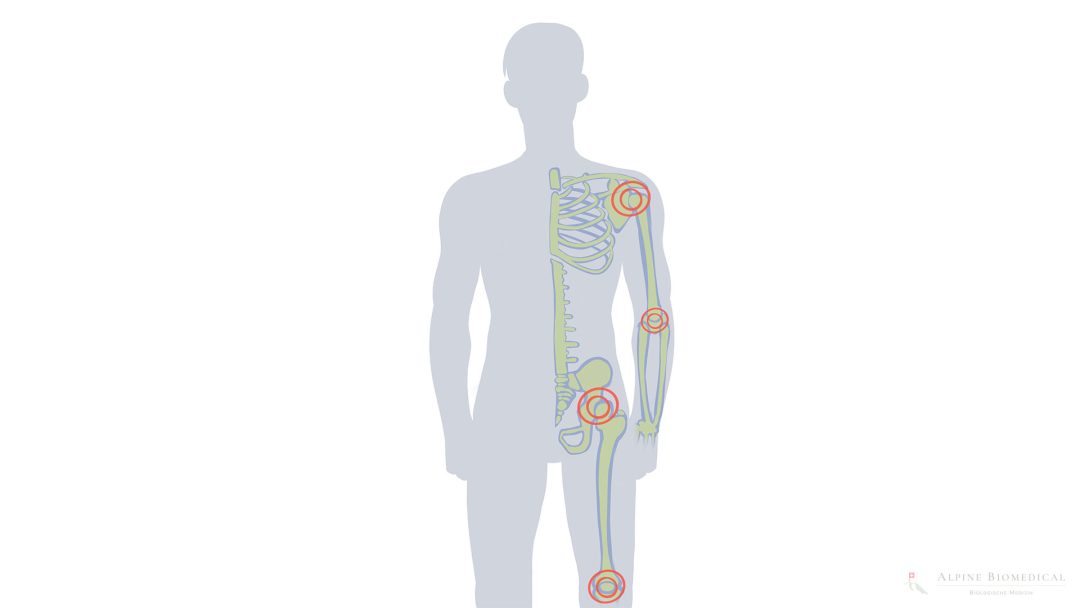
Joint pain can occur in almost any region of the body. It may affect a single joint or multiple joints at the same time. The exact location of the pain can often already provide important clues about the possible cause. These include degenerative changes, inflammatory processes, overuse, misalignment, or systemic diseases.

While knee and hip pain, for example, are often associated with arthrosis or improper loading, joint symptoms in the fingers or wrists may point to inflammatory-rheumatic diseases. Shoulder and elbow pain, on the other hand, often result from tendon irritation or hormonal changes.

What matters most, however, is the pain distribution, accompanying symptoms, and timing. These factors help distinguish between local and systemic causes.

Knee Pain

Knee pain is one of the most common forms of joint pain. It can be caused by mechanical overuse, degenerative changes, or inflammatory processes. The knee joint bears a large portion of body weight and is subjected to stress during walking, bending, and extending. When pain occurs during activities like climbing stairs, standing up, or prolonged exertion, this usually points to arthrosis or a meniscus lesion. Misalignment of the leg axis or inflammation, as in rheumatoid arthritis, can also cause pain, swelling, or restricted mobility in the knee joint.

The intensity and precise location of the pain can provide important clues about the possible cause. Anterior knee pain is often caused by patellar dysfunction or overuse of the quadriceps tendon. Pain located on the sides or deeper within the joint tends to indicate meniscus or ligament injuries. Chronic inflammatory processes irritate the joint capsule over time, which in turn accelerates cartilage breakdown and can further restrict joint function.

Pain Behind the Knee

Pain located behind the knee is often perceived as a dull pressure or pulling sensation. It occurs especially when bending the knee or after prolonged sitting. The most common cause is a Baker’s cyst, a fluid-filled protrusion of the joint capsule. It can develop as a result of arthrosis, inflammation in the knee joint, or a meniscus lesion. The cyst causes a feeling of tension, swelling, and pain when bending the knee. The pain can also radiate into the calf.

In addition to a Baker’s cyst, serious causes such as a deep vein thrombosis should be ruled out. Particular attention should be paid to additional symptoms such as swelling, warmth, or redness. Tendon irritation or muscle tension in the area behind the knee can also occur with sports-related overuse and cause similar symptoms.

An ultrasound of the area behind the knee can often help narrow down the cause. It can distinguish whether the issue is a cyst, a circulatory problem, or an inflammatory reaction.

Finger and Wrist Pain

Finger and wrist pain is also a common joint complaint. Its causes range from mechanical overuse and inflammatory joint diseases to degenerative changes. The hands and fingers are particularly susceptible to irritation of tendons, joint capsules, and smaller joint structures because they are heavily used every day.

The most typical triggers for pain in the fingers and wrists are tendonitis, arthrosis of the thumb or finger joints, and rheumatoid arthritis, in which the immune system attacks the joint structures. Inflammatory causes often present with morning stiffness, swelling, and redness. In arthrosis, load-dependent pain and increasing restricted movement are more typical.

The wrist is also frequently affected by pain caused by overuse, ganglion cysts, or carpal tunnel syndrome. In carpal tunnel syndrome, pressure on the median nerve leads to numbness, tingling, or pain in the hand. The pain can occur both during movement and at rest. It often leads to reduced grip strength or difficulty with fine motor movements.

Precise examination and imaging are essential to identify the underlying cause and treat it accordingly. Early diagnostics help prevent permanent functional loss and deformities in the small joints.

Pain in the Finger End Joints

Pain in the finger end joints often occurs when bending, extending, or gripping. It is a characteristic symptom of degenerative or inflammatory joint diseases. Arthrosis or rheumatoid arthritis are particularly common underlying causes. While arthrosis is usually age-related or load-related and caused by the breakdown of the cartilage layer in the joints, rheumatoid arthritis is an autoimmune disease in which the immune system attacks the joint structures.

Typical signs include stiffness, swelling, and pain that become especially noticeable after prolonged rest. With an inflammatory-rheumatic cause, morning stiffness is common. In arthrosis, symptoms tend to be load-dependent and improve with movement. Over the course of the disease, joints may also thicken or develop nodules. This is particularly visible in the finger joints.

The joint pain usually results from irritation of the joint capsule, inflammatory swelling, or the loss of cartilage, causing bones to rub against each other. To determine the exact cause, a targeted clinical examination supplemented by X-rays and lab values is helpful. This allows distinguishing between degenerative and inflammatory causes.

Hip Joint Pain

Hip pain is one of the most common joint complaints in adults. It can occur during physical activity or at rest. The causes range from degenerative changes and inflammatory processes to muscular or neural irritation. A characteristic feature of hip arthrosis is load-dependent pain that worsens during walking, climbing stairs, or standing up. It results from the breakdown of joint cartilage. The joint surfaces increasingly rub against each other, causing irritation of the joint capsule and muscular tension.

In contrast, resting pain often arises from inflammatory causes such as arthritis or bursitis. These pains are caused by inflammatory metabolic processes and increased blood flow to the tissue, which intensify during rest. Hip pain often radiates into the leg, groin, or buttock, which can make precise localization difficult.

Distinguishing between load-dependent and resting pain is of great importance for diagnostics. Load-dependent pain usually points to mechanical or degenerative causes. Resting pain, on the other hand, tends to indicate active inflammation.

Pain in the Arm and Shoulder

Pain in the arm and shoulder often occur together. They can be triggered by musculoskeletal, neurological, or inflammatory causes. They often present as pulling or stabbing pain that can be especially strong at night or at rest. Typically, both the shoulder joints and the surrounding muscles, tendons, and nerves are involved.

A common cause is shoulder-arm syndrome. It can result from tension, disc problems in the cervical spine, or irritation of the brachial plexus. The pain radiates from the neck through the shoulder into the arm. It may be accompanied by tingling, numbness, or muscle weakness. Inflammation of the rotator cuff, tendon irritation, or arthrosis also frequently leads to joint pain in the shoulder or arm.

Elbow Joint Pain

Elbow pain is usually caused by overuse, improper loading, or inflammatory processes in the tendon attachments or the joint. Typical causes include tennis elbow and golfer’s elbow. In these conditions, repeated movements create small injuries at the tendon attachments. These lead to inflammatory irritation, which presents as pain when gripping, turning, or applying pressure to the joint.

In addition, arthrosis, bursitis, or rheumatic processes can also affect the elbow joint. With inflammatory causes, swelling, warmth, and restricted mobility also occur. In rare cases, the pain can be caused by nerve compression, which produces tingling or numbness in the forearm or fingers.

Ankle Joint Pain

Ankle pain is a common joint complaint that can arise from various causes. These range from mechanical overuse and misalignment to inflammatory-rheumatic diseases. The ankle bears the entire body weight and is therefore particularly susceptible to trauma, wear, and improper loading. Pain typically occurs during the rolling motion of the foot, prolonged standing, or after physical activity. It can be both acute and chronic.

A frequent trigger for ankle pain is arthrosis in the upper or lower ankle joint, caused by the breakdown of joint cartilage. Foot misalignments such as flat foot, fallen arches, or splayfoot also lead to uneven pressure distribution and stress on joints, tendons, and ligaments.

In addition to degenerative causes, inflammatory diseases can also cause ankle pain. In rheumatoid arthritis, the small joints of the forefoot and midfoot are frequently affected. This presents as swelling and pain when stepping. Gout typically manifests as acute pain in the big toe joint, accompanied by redness, warmth, and severe tenderness. The cause is the deposition of uric acid crystals in the joints, which triggers inflammatory reactions.

Tendon inflammation, such as of the Achilles tendon, can also cause ankle pain. It usually results from overuse and leads to stabbing pain during movement and pressure.

In some cases, joint instability may also be present, for example following previous ligament injuries. If left untreated, this can lead to chronic pain and improper loading.

Joint Pain All Over the Body

Joint pain throughout the entire body can indicate systemic diseases, chronic inflammation, or functional disorders of the nervous system. The pain often appears diffuse and can impair joint mobility. While rheumatic or inflammatory causes usually show elevated inflammatory markers, stress, hormonal, or neural factors often produce no clear changes in laboratory diagnostics. A thorough medical evaluation is therefore essential to treat the cause specifically.

Constantly Changing Pain: What's Behind It?

Constantly changing joint pain often occurs in the context of fibromyalgia or a dysfunction of the autonomic nervous system. In most cases, there is no direct damage to the joints but rather a hypersensitivity of pain receptors. The symptoms change in location and intensity and are often accompanied by fatigue, sleep disorders, or stress. Since inflammatory markers are usually not detectable in the lab, it tends to be a diagnosis of exclusion.

Diagnostics for Joint Pain

Accurate diagnostics for joint pain make it possible to identify the causes and initiate appropriate treatment. The process begins with the medical history, which is a detailed conversation between doctor and patient. During this consultation, the duration, location, pain character, triggers, and accompanying symptoms such as swelling, morning stiffness, or fever are discussed. Questions about past injuries, occupational strain, diet, and family medical history also play an important role. After a thorough medical history, the doctor usually already has an initial suspicion of what may be causing the joint pain.

The next step typically involves a physical examination. The joint is assessed for mobility, swelling, warmth, effusion, and tenderness. The surrounding muscles, tendons, and ligaments are also examined, since the pain often does not affect the joint exclusively.

For further evaluation, imaging techniques are used. An X-ray provides information about possible bone changes, arthrosis, or misalignment that might explain the pain. Ultrasound can be used to examine soft tissue structures such as tendons, bursae, and effusions. If imaging results remain unclear or there is suspicion of inflammatory or degenerative changes, an MRI can provide a detailed view of the joint structures.

In addition to imaging, laboratory diagnostics also provide important clues about inflammatory or systemic causes. A blood test can measure parameters such as CRP and ESR. Both values rise when there are active inflammatory processes in the body. Elevated CRP in the context of joint pain often points to a rheumatic, infectious, or autoimmune cause. In addition, rheumatoid factors, anti-CCP antibodies, and vitamin levels such as vitamin D, vitamin B12, and Borrelia antibodies can be tested to identify deficiencies or infectious diseases.

Ultimately, the combination of medical history, clinical examination, imaging, and lab values leads to a precise evaluation of the causes of joint pain. It forms the foundation for targeted therapy and long-term joint health.

Treatment of Arthralgia: What to Do About Joint Pain

The treatment of joint pain aims to address the pain based on its cause, intensity, and course. The goals are to relieve pain, reduce inflammation, maintain mobility, and prevent long-term damage. Conservative measures take center stage and can be supplemented by medication, surgery, or complementary medical approaches. Early and individually tailored therapy can significantly improve not only joint function but also quality of life.

Conservative Treatment

Conservative therapy is the most important approach for treating joint pain. Key measures include pain management, exercise, and physical applications. Nonsteroidal anti-inflammatory drugs (NSAIDs) such as ibuprofen or diclofenac reduce inflammatory reactions and can relieve pain. For those with a sensitive stomach, COX-2 inhibitors may be a gentler alternative. Paracetamol can also be used for mild pain, but it has no anti-inflammatory effect.

Exercise is essential despite the pain to maintain joint function. Sports like swimming, cycling, or yoga strengthen the muscles, relieve the joints, and promote joint lubrication. Physiotherapy and manual therapy forms also help correct poor posture and improve mobility.

Physical applications can also provide targeted pain relief. Cold has a decongestant and anti-inflammatory effect for acute symptoms. Heat relaxes muscles and improves blood circulation for chronic or muscular pain.

The combination of exercise and pain reduction forms the basis for treating joint pain.

Cortisone or Hyaluronic Acid Injections

If conservative measures are not sufficient, injections directly into the affected joint can also contribute to pain relief. Cortisone injections have a strong anti-inflammatory effect. They are particularly suitable for acute flares of arthritis or painful irritation. The injections can quickly relieve the joint but should only be used short-term. Frequent use can impair cartilage metabolism.

In addition, hyaluronic acid injections can be used. They improve the gliding ability of the joint by supplementing the natural synovial fluid. They act like a lubricant and reduce friction between the joint surfaces. This reduces pain and improves mobility, especially in arthrosis.

Joint Pain Medication

Depending on the cause and course of the joint pain, different medications are used. In addition to NSAIDs and COX-2 inhibitors, disease-modifying antirheumatic drugs (DMARDs) such as methotrexate or leflunomide are used for inflammatory-rheumatic conditions. These help regulate the immune system and slow disease progression. In more severe cases, biologics, which are targeted antibody therapies, can also be used.

For chronic pain, regular medical check-ups are essential to avoid potential side effects, particularly on the stomach, liver, kidneys, and cardiovascular system.

Joint Pain Cream

Pain creams can also be a good supplement to systemic therapy. Creams containing diclofenac, ibuprofen, or herbal ingredients such as arnica, horse chestnut, or capsaicin have anti-inflammatory, decongestant effects and promote blood circulation. They are especially suitable for superficial joints such as the hands, knees, or elbows.

Since they primarily work locally, they have fewer side effects than tablets and can be applied several times a day.

Surgical Procedures and Injections

If conservative and medical measures are no longer sufficient to relieve joint pain or maintain mobility, surgical treatment may become necessary. The goal of surgical procedures is to improve the function of the affected joint, reduce pain, and restore long-term joint stability. Depending on the cause and degree of damage, various surgical approaches can be used. These include arthroscopic procedures, in which the joint is examined and treated through minimally invasive means. Reconstructive surgeries for ligament or cartilage damage are also an option, as are joint replacements for irreversible degeneration. In some cases, injections with hyaluronic acid or cortisone can serve as an alternative to surgery to temporarily reduce inflammation.

When Is Surgery Necessary?

Surgery becomes necessary primarily when there is severe damage, instability, or significant functional limitations of the joint that persist despite consistent conservative therapy. Typical indications include advanced arthrosis, chronic inflammatory joint diseases with structural damage, or injuries that have led to misalignment or instability.

Surgery should also be considered when there is treatment resistance, meaning medications, physiotherapy, or injections can no longer adequately relieve the pain. The goal is to restore the mechanics of the joint, resolve pain, and improve load-bearing capacity.

Post-operative rehabilitation is particularly important after every surgery. Through physiotherapy, muscle building, and movement training, joint function can be gradually restored and the risk of complications minimized. Over the long term, this allows mobility and stability of the joint to return to normal.

Complementary Medical Approaches

Complementary medical approaches can be an important addition to conventional therapy for joint pain. They aim to support the body holistically, regulate inflammation, and promote the regeneration of joint and connective tissue.

Acupuncture is a treatment method from traditional Chinese medicine and is used specifically for joint pain to relieve pain and improve mobility. By placing fine needles at specific energy points, blood circulation and tissue metabolism are stimulated, muscle tension is released, and the release of the body’s own endorphins is promoted. Acupuncture can lead to a significant improvement in quality of life, especially for arthrosis, chronic back pain, and rheumatic conditions.

Phytotherapy, the treatment with herbal active ingredients, also plays a significant role in relieving joint pain. Medicinal plants such as devil’s claw, willow bark, stinging nettle, ginger, and turmeric have natural anti-inflammatory and pain-relieving effects. They inhibit certain inflammatory enzymes, promote blood circulation, and support the body’s own regeneration.

Homeopathy, on the other hand, aims to strengthen the body’s self-regulation. Depending on the individual symptoms, different remedies can be chosen. Although scientific evidence for effectiveness is still limited, many people report improved mobility and subjective pain relief.

Certain nutritional supplements can also specifically support joint health. Turmeric has strong antioxidant and anti-inflammatory properties. Omega-3 fatty acids from fish oil or flaxseed promote anti-inflammatory messengers and can improve joint mobility. Collagen hydrolysate, in turn, strengthens tendons, ligaments, and cartilage and can help maintain cartilage structure. Regular intake can help maintain cartilage stability and slow degenerative processes.

To regulate local pain perception and relieve accompanying muscular tension, neural therapy has also proven effective in integrative pain management. In cases of proven micronutrient deficiencies or persistent inflammatory processes, customized infusion therapies can additionally be used to support joint metabolism and cellular regeneration directly via the bloodstream.

Home Remedies for Joint Pain

Home remedies can also support the medical treatment of joint pain. Heat and cold applications, healing baths with rosemary or tea tree oil, and anti-inflammatory wraps with quark or arnica can help relieve joint pain. Regular exercise and targeted relief exercises promote joint function and can ease tension. Consistency is key, however. Only through regular application can the healing process be supported long-term.

Diet for Joint Pain

Diet can play a supportive role in the prevention and treatment of joint problems. An anti-inflammatory, fiber-rich diet with a high proportion of omega-3 fatty acids, plenty of fresh vegetables and fruits, whole grains, and plant-based proteins can reduce inflammation in the body.

Excessive consumption of red meat, sugar, and highly processed foods should be avoided because they promote inflammatory metabolic processes. Weight reduction in overweight individuals also significantly relieves the joints and simultaneously lowers systemic inflammatory activity. Especially with rheumatic diseases or gout, an adjusted diet can help prevent flares and reduce joint pain.

Prevention and Everyday Tips

A very effective form of prevention for joint pain consists of a combination of exercise, a healthy lifestyle, and conscious daily habits. Regular but joint-friendly exercise is especially important to keep the synovial fluid moving, nourish the cartilage, and strengthen the surrounding muscles. Swimming, cycling, walking, yoga, or aqua fitness are particularly suitable because these activities load the joints evenly without overstraining them.

Ergonomic posture and loading in everyday life can also have a preventive effect. For example, a correctly adjusted workstation, a back-friendly lifestyle, and regular breaks during sedentary activities can have a positive impact on joint preservation. Excess weight should be avoided as much as possible because the additional weight heavily loads the joints, especially in the knee, hip, and spine, and can accelerate wear.

Early signs of joint problems should not be ignored or waited out but should be evaluated promptly. Recognizing and treating joint pain early can prevent acute irritation from becoming chronic and permanently limiting joint function.

Gregor Nowak

Joint pain can significantly affect mobility and quality of life. Targeted orthopaedic and functional diagnostics may help identify the underlying causes and support the selection of suitable treatment options.

Gregor Nowak

Frequently Asked Questions About Arthralgia

Below we answer your most common questions about joint pain. This will give you a better overview of this important topic, its significance, and possible causes.

Pulling pain in the arm at rest can have many causes. They range from muscular tension to nerve irritation or circulatory problems. Often, poor posture, overuse, or a pinched nerve in the cervical spine is behind it. In rare cases, such pain can also be a sign of cardiovascular disease, such as angina pectoris. Medical evaluation is therefore important if symptoms persist.

Hip pain when lying on your side usually results from pressure or irritation of the surrounding soft tissues, especially the bursae. Tension, tendon irritation, or arthrosis of the hip joint can also cause these symptoms. If pain persists, an orthopedic examination should be performed to determine the exact cause and initiate targeted treatment.

Changing pain throughout the body can be harmless, such as from stress, muscle tension, or overuse. However, it can also indicate chronic pain conditions like fibromyalgia, rheumatic diseases, or metabolic disorders. If symptoms persist for an extended period, occur frequently, or are accompanied by fatigue and sleep disorders, medical evaluation should definitely be sought.

Right arm pain is often the result of muscular overuse, poor posture, or nerve irritation. In rare cases, it can also point to a heart or vascular disease. If the pain occurs suddenly, severely, or at rest, especially together with chest pressure, shortness of breath, or dizziness, immediate medical attention should be sought.

To relieve joint pain, gentle exercise, heat or cold applications, and an anti-inflammatory diet rich in omega-3 fatty acids are helpful first steps. Herbal preparations with turmeric can also provide support. For severe or chronic pain, targeted physiotherapy, weight reduction, and in serious cases, medication or injection-based therapies are recommended.

Joint pain during menopause is often hormonally caused because declining estrogen levels affect joint metabolism and the tendency toward inflammation. For many women, the symptoms improve after the hormonal transition, once the body has stabilized. However, the joint damage itself usually does not fully reverse. Regular exercise, adequate fluid intake, and herbal or hormone-free therapies that support joint metabolism can be helpful.

If sudden joint pain occurs throughout the body, it may indicate an infectious, rheumatic, or autoimmune cause. Viral infections such as the flu, COVID-19, or the Epstein-Barr virus can also trigger such pain. It is important to rest physically, stay well hydrated, and consult a doctor if symptoms persist or worsen. This helps rule out inflammation or systemic diseases.

When joint pain occurs with fever, an inflammatory or infectious cause is usually behind it. Possible triggers include viral infections, bacterial joint inflammation, or autoimmune diseases. Since untreated infections can lead to permanent joint damage, prompt medical evaluation is necessary.

Fatigue with muscle and joint pain is often caused by inflammatory processes in the body. These activate the immune system and consume energy. Chronic pain also leads to sleep disorders and exhaustion, which further increases the burden. Hormonal changes or low vitamin D and iron levels can also contribute to fatigue and increased pain sensitivity.

For the natural treatment of menopause joint pain, herbal preparations with soy isoflavones, stinging nettle, or turmeric are suitable. They have anti-inflammatory effects. Regular exercise, yoga, endurance sports, and heat applications also help promote blood circulation and joint mobility. A balanced diet rich in omega-3 fatty acids, vitamin D, and calcium additionally supports joint metabolism and overall well-being.

Further information

The information listed contains relevant topics and serves to improve understanding.