
Salivary Gland Cancer

Salivary gland cancer is a relatively rare form of cancer that develops in the salivary glands. These are glands located in the head region responsible for producing saliva. They are found in the oral cavity, under the tongue, along the jaw, and around the ears. Although most tumors in the salivary glands are predominantly benign, malignant forms of tumors can occur in approximately 20-25% of cases. Salivary gland cancer is of significant importance because it is often diagnosed in advanced stages, which complicates treatment. Therefore, as with other forms of cancer, early detection and therapy are crucial for the prognosis and quality of life of those affected.
What is Salivary Gland Cancer?
Salivary gland cancer more precisely refers to a group of malignant tumors that develop in the exocrine glands of the salivary glands. The tumor can affect both the major salivary glands, such as the parotid (also known as the parotid gland), as well as the minor salivary glands in the oral mucosa. Although salivary gland cancer is relatively rare, accounting for only about 3-4% of all head and neck tumors, it presents a diagnostic and therapeutic challenge. Due to the variety of histological subtypes, the biological behavior of salivary gland cancer varies considerably.
The development of salivary gland cancer is often a complex, multi-stage process triggered by genetic and epigenetic changes in the salivary gland cells. Normally, the epithelial cells of the salivary glands are subject to a controlled cell cycle regulated by growth factors and tumor suppressor genes. However, mutations in these regulators can cause these mechanisms to malfunction. Consequently, the proliferation of the gland cells can proceed unchecked, leading to increasing genomic instability. The most common histological subtypes include mucoepidermoid carcinoma, acinic cell carcinoma, and adenoid cystic carcinoma.
There are several salivary glands in the oral cavity, each playing a crucial role in digestion and maintaining oral health. There are three pairs of salivary glands:
- Parotid gland: It is the largest salivary gland, located in front of the ear, producing a rather watery saliva. It primarily ensures the moistening of the mouth and indirectly assists in swallowing food.
- Submandibular gland: This gland is located below the mandible and also produces a thin saliva rich in enzymes that initiate the digestion of food.
- Sublingual gland: This gland is located under the tongue and produces a more mucous saliva that helps food slide down the esophagus and keeps the oral cavity moist.
Salivary gland cancer can occur in any of these glands, with tumors most commonly occurring in the parotid gland. The tumor originates either in the secretory gland cells or in the excretory ducts of the glands. Generally, these neoplasms tend to grow slowly; however, as they increase in size, they can infiltrate adjacent structures and form metastases
Types of Salivary Gland Cancer
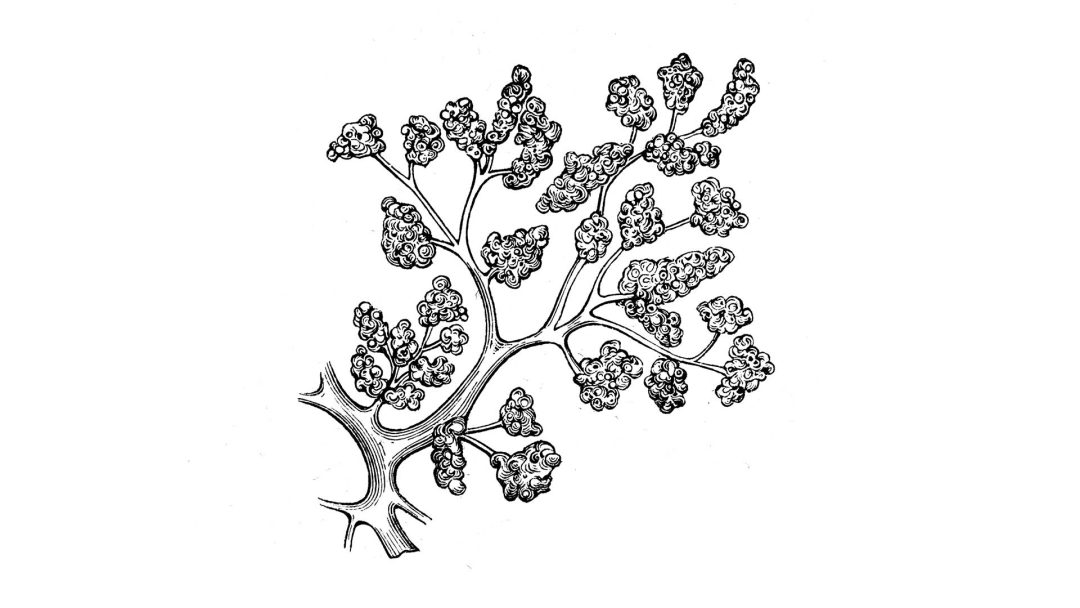
Salivary gland cancer is a rare but diverse tumor disease that includes both benign and malignant growths of the salivary glands. Most tumors occur in the parotid gland, while the submandibular gland and sublingual gland are less commonly affected. Benign tumors such as pleomorphic adenoma typically grow slowly and often remain unnoticed for a long time. Malignant tumors such as mucoepidermoid carcinoma or adenoid cystic carcinoma, on the other hand, can grow aggressively, infiltrate nerves, and metastasize. The distinction between benign and malignant tumors is essential for treatment decisions. While benign tumors can usually be cured by complete removal, malignant forms require more comprehensive treatment, which often includes radiation or chemotherapy in addition to surgery. Due to the rarity and diversity of these tumors, diagnosis and therapy present a particular challenge in oncology.
Pleomorphic Adenoma
Pleomorphic adenoma is the most common benign tumor of the salivary glands and predominantly occurs in the parotid gland. It is typically a slow-growing tumor composed of epithelial and mesenchymal cells. This histological differentiation is also reflected in its name, as “pleomorphic” means versatile or diverse. The pleomorphic adenoma usually presents as a painless, well-defined swelling that grows over months or years. Although benign, there is still a risk of malignant transformation into carcinoma. The recommended therapy consists of complete removal of the salivary gland, with care taken to spare surrounding tissue, as the facial nerve (nervus facialis) in particular runs through the parotid gland. Precise resection is essential to avoid potential recurrence.
Cystadenolymphoma
Cystadenolymphoma, also known as Warthin’s tumor, is another benign salivary gland tumor that occurs almost exclusively in the parotid gland. It accounts for only about 5-10% of all benign salivary gland tumors and predominantly affects men in middle to older age. Characteristic of this form of salivary gland cancer is also the slow growth of a rather soft, often painless swelling. Histologically, the tumor consists of cystic spaces lined with lymphoid tissue, thus bearing some resemblance to lymph node structures. An association with smoking has also been observed, giving smokers a significantly increased risk of developing this tumor. Treatment consists of surgical removal, especially if the tumor increases in size, although the risk of malignant transformation is extremely low.
Adenoid Cystic Carcinoma
Adenoid cystic carcinoma is a malignant tumor of the salivary glands that primarily occurs in the parotid gland, the submandibular gland, and the smaller salivary glands of the palate. It is particularly characterized by slow but infiltrative growth and tends to grow along nerve structures, which can often lead to severe pain or numbness. Despite its often slow progression, the risk of distant metastases, particularly to the lungs, bones, or liver, is nevertheless increased. Due to its aggressive growth behavior, adenoid cystic carcinoma is usually surgically removed, often in combination with radiation therapy. The prognosis depends on the stage and spread of the tumor, with local recurrences still being very common.
Acinic Cell Carcinoma
Acinic cell carcinoma is a relatively rare malignant tumor of the salivary glands, occurring primarily in the parotid gland. With a relatively slow growth rate, it originates from the acinar cells of the gland. Compared to other malignant salivary gland tumors, it has a more favorable prognosis due to its less aggressive growth pattern and lower tendency to metastasize. Nevertheless, it can be locally invasive and typically tends to recur, especially when complete surgical removal is not achieved. Therefore, treatment usually consists of radical surgical resection, complemented by radiation therapy to reduce the risk of tumor recurrence.
Mucoepidermoid Carcinoma
Mucoepidermoid carcinoma is the most common malignant tumor of the salivary glands and primarily occurs in the parotid gland, although it can also be located in other salivary glands. It develops from various cell types, especially mucus-producing glandular cells. Depending on the degree of differentiation, it is classified into low-, intermediate-, and high-grade forms, with high-grade tumors growing significantly more aggressively, metastasizing earlier, and having a poorer prognosis. Treatment primarily consists of surgical removal of the tumor, often accompanied by radiation therapy, especially for higher-grade or incompletely removed tumors.
Salivary Gland Cancer: Causes and Risk Factors
The exact cause of salivary gland cancer is not yet fully understood, but there are several risk factors that can significantly increase the likelihood of its development. The causes of salivary gland cancer often involve combinations of genetic predispositions, environmental factors, and certain external influences.
- Genetic Predisposition: A family history of salivary gland cancer or certain genetic mutations can increase the risk. Specific hereditary syndromes, such as Gardner syndrome or neurofibromatosis syndrome, are also associated with a higher probability of salivary gland tumors.
- Age and Gender: Salivary gland cancer occurs more frequently in older adults, with an increasing risk starting from the age of 50. Women are more commonly affected, particularly by benign tumors such as pleomorphic adenoma, while men may more often develop malignant tumors.
- Radiation Exposure: Previous radiation therapy in the head and neck area, such as for the treatment of tumors in the head or neck region, represents one of the greatest risk factors for developing salivary gland cancer. Radiation exposure can lead to DNA damage that promotes cancer development.
- Smoking: Long-term smoking increases the risk, especially for malignant tumors of the salivary glands.
- Viruses: Infections with certain viruses such as the Epstein-Barr virus (EBV) and human papillomavirus (HPV) can increase the risk of salivary gland cancer. EBV is particularly associated with an increased risk for adenoid cystic carcinoma.
- Environmental Factors: Chemical exposures to certain solvents or asbestos are also discussed as risk factors for the development of salivary gland cancer. Occupations associated with the processing of chemicals or the production of plastic materials may therefore increase the risk.
- Diet and Lifestyle: An unhealthy diet rich in saturated fats and low in antioxidants could also increase the risk of cancer.
Despite these known risk factors, the exact development of salivary gland cancer remains complex and not fully understood. However, risk factors such as smoking, excessive alcohol consumption, and radiation exposure can be actively reduced to lower the risk of tumor development.
Salivary Gland Cancer Symptoms and Signs
Salivary gland cancer can manifest through various forms and different symptoms. In the earlier stages, the disease is often difficult to detect as symptoms are nonspecific and sometimes very mild. Common signs of salivary gland cancer also depend on the affected gland, tumor size, and the spread of the cancer. With benign tumors, symptoms can often be less pronounced and painless, while malignant tumors typically cause more noticeable signs.
- Painless swelling of the salivary gland
- Palpable lump: In some cases, lumps or indurations can be detected in the affected salivary gland. This lump can be soft or firm depending on the type of tumor and may be painless or painful.
- Pain: Pain is often localized and can spread to the jaw, ear, or neck area. Numbness: Damage to nerves surrounding the affected salivary glands can lead to numbness in the affected region.
- Numbness: If the nerves surrounding the affected salivary glands are damaged, this can lead to numbness in the affected area.
- Facial paralysis or limitations in facial expressions: Especially with malignant tumors, partial or complete facial paralysis can occur due to damage to the facial nerve, leading to limitations in facial expressions.
- Dry mouth and difficulty swallowing: Impairment of saliva production, often caused by tumors of the submandibular gland or sublingual gland, can lead to dry mouth.
It is therefore important to be aware of these symptoms and to consult a doctor if salivary gland cancer is suspected. Even if these signs do not necessarily indicate cancer, they should in any case be evaluated to enable timely diagnosis and treatment.
Diagnostic Methods for Salivary Gland Cancer
The diagnosis of salivary gland cancer involves a combination of imaging procedures, blood tests, and tissue sampling (biopsy). These methods help to determine the type and extent of the tumor more precisely. Ultrasound is among the commonly used imaging techniques. It is often employed as the first method to examine the structure of the salivary gland non-invasively. This technique helps distinguish between benign and malignant tumors. Additional imaging procedures include computed tomography (CT) and magnetic resonance imaging (MRI), which provide a more detailed visualization of tumor extension and possible metastases in the head and neck area. MRI in particular enables precise assessment of tumors that have invaded other tissues, such as nerves or blood vessels. In addition to imaging techniques, blood tests are also conducted, which can detect tumor markers like CEA (Carcinoembryonic Antigen) or S100. While these markers are not specific to salivary gland cancer, they can indicate the presence of a tumor. Laboratory values, such as inflammatory markers, can provide additional information but are not decisive for diagnosis. The definitive diagnosis is usually made through a biopsy, where tissue is removed from the tumor and examined microscopically for cancer cells. By combining these methods, the tumor can be classified more accurately, and more specific therapy options can be selected.
Salivary Gland Cancer Treatment
The treatment of salivary gland cancer is often multifaceted and depends particularly on the type of tumor, the stage of the disease, and its location. Generally, treatment involves a combination of surgical procedures, radiation therapy, and possibly chemotherapy. Additionally, alternative and complementary medical approaches can be used to improve quality of life and support the healing process.
Medical Treatment
The primary treatment approach for salivary gland cancer often consists of surgery to remove the tumor. Depending on the tumor’s location, this may involve partial or complete removal of the affected gland. For benign tumors, complete removal of the tumor is often sufficient, while malignant tumors may require more extensive removal of the gland and sometimes surrounding tissue. This helps to prevent the spread of cancer more effectively. In advanced cases, reconstructive surgery may be necessary to restore the function and appearance of the affected area after removal.
Furthermore, radiation therapy is frequently used after surgery to destroy remaining cancer cells and reduce the risk of recurrence. For certain types of tumors or when complete removal of the tumor is not possible, radiation therapy may be the primary treatment option. It is often used in combination with chemotherapy, especially for aggressive tumors. Chemotherapy is typically employed only when the tumor cannot be completely removed surgically or has already metastasized.
Additionally, immunotherapy is increasingly being used in the treatment of salivary gland cancer. Immunotherapy utilizes the body’s own immune system to fight cancer. It has proven to be very effective in treating various cancers and is increasingly being used for salivary gland cancer as well.
Another promising treatment method is proton therapy. This is a particularly precise form of radiation therapy that uses protons instead of conventional X-rays. This method has the advantage of largely sparing healthy tissue, allowing for even more targeted tumor treatment.
Complementary Medicine Treatment
In addition to conventional treatment options, many patients also turn to alternative and complementary therapies to improve their quality of life and support the healing process. However, these therapies do not replace standard medical treatment but work alongside it.
Hyperthermia: This treatment method deliberately uses high temperatures to make cancer cells more sensitive to other therapies such as chemotherapy and radiation therapy. It can also activate the immune system and promote blood circulation.
- Hyperthermia: This treatment method deliberately uses high temperatures to make cancer cells more sensitive to other therapies such as chemotherapy and radiation therapy. It can also activate the immune system and promote blood circulation.
- Mistletoe Therapy: This can be used as a complementary treatment for salivary gland cancer to further strengthen the immune system and improve patients' quality of life. The active substances contained in mistletoe, particularly lectins and viscotoxins, can inhibit tumor growth, activate the body's own defenses, and minimize side effects of conventional cancer therapies.
- Acupuncture: Particularly helpful for relieving pain, fatigue, and uncomfortable side effects of chemotherapy, acupuncture can be used to improve general well-being.
- Phytotherapy: Herbal preparations, such as curcumin from turmeric or green tea, are used for their anti-inflammatory and antioxidant properties.
- Strengthening the Immune System: Certain dietary supplements and lifestyle changes that strengthen the immune system can be useful as supportive measures during cancer treatment. Studies have shown that an antioxidant-rich diet high in, for example, vitamin C, vitamin E, selenium, and anti-inflammatory omega-3 fatty acids can promote better recovery after cancer therapy.
For severe cases where conventional treatment methods such as chemotherapy or radiation therapy are not sufficient, innovative treatment options such as immunotherapy and proton therapy also offer promising perspectives.
Prognosis and Survival Rate
The prognosis for salivary gland cancer depends significantly on the stage of the disease and the type of tumor. Tumors that are detected early have a substantially better prognosis, as they are typically still limited to the affected salivary gland and are less likely to have formed metastases. In particular, benign tumors such as pleomorphic adenoma or cystadenolymphoma have an excellent long-term prognosis. In most cases, these can be completely removed through surgery without expecting recurrence. In contrast, malignant tumors such as adenoid cystic carcinoma or mucoepidermoid carcinoma are associated with a poorer prognosis, as they can invade surrounding tissue and form metastases even in early stages. For advanced salivary gland cancer, where the cancer has spread to other organs, the chances of survival are lower. According to various studies, the 5-year survival rate for patients with salivary gland cancer ranges between 60% and 90%, with benign tumors offering significantly better chances of recovery. In cases of malignant tumors, this rate is often lower, especially when metastases are present or the tumor shows an aggressive growth pattern. Therefore, early diagnosis and successful tumor removal are crucial for better chances of recovery and prognosis.
Rehabilitation and Follow-up Care
Rehabilitation and follow-up care play a central role in the healing process during and after treatment for salivary gland cancer. The goal is to improve patients’ quality of life as much as possible and maintain body functionality after surgery or other therapies. An important component of follow-up care is physiotherapy, which particularly serves to maintain and improve facial muscle function. This is especially important when nerves were affected during treatment, as it can reduce the risk of facial paralysis or limitations in facial expressions. Another important aspect is the targeted prevention of long-term complications, such as dry mouth, which often occurs after the removal of salivary glands. Special measures like regularly moistening the oral mucosa and an adapted diet can be helpful. Additionally, regular check-ups are necessary to detect recurrences early and initiate further treatments if needed. Thus, follow-up care serves not only physical healing but also the emotional and social support of patients.
Med. pract. Dana Hreus M.A.
Early diagnosis and individual treatment plans based on the tumor status are crucial for successful treatment. Holistic additional supportive measures can provide effective support in consultation with the oncologist.

Frequently Asked Questions About Salivary Gland Cancer
A diagnosis of salivary gland cancer often raises many questions. This section answers the most common questions about salivary gland cancer to provide clarity and best inform those affected.
Typical signs of salivary gland cancer are often painless swellings of the salivary gland, a palpable lump or hardening in the face or neck area. In more advanced stages, pain, numbness, or facial paralysis may also occur, especially when the tumor presses on nerves. Dry mouth, difficulty swallowing, or problems with facial expressions are also possible symptoms, particularly with malignant tumors. Prompt medical evaluation is crucial to determine the exact cause of these symptoms.
After parotid surgery, temporary swelling, pain, and numbness in the operated area are normal. Depending on the extent of the procedure, facial nerve impairment may occur, causing temporary or rarely permanent limitations in facial expressions. Frey’s syndrome is common, where misdirected nerve regeneration causes sweating and redness when eating. Additionally, reduced saliva production can cause dry mouth, which often improves with follow-up care and targeted therapy.
The chances of recovery from salivary gland cancer depend heavily on the type of tumor, the stage of the disease, and the chosen therapy. Benign tumors such as pleomorphic adenoma can usually be completely removed, while the prognosis for malignant tumors is often more variable and worse. Low-grade carcinomas often have a good prognosis with high survival rates, while high-grade or advanced tumors have an increased risk of recurrence and metastasis.
A palpable lump in front of the ear can be attributed to various causes. It can occur due to harmless swellings such as enlarged lymph nodes, cysts, or salivary stones. However, it could also be a salivary gland tumor, especially in the parotid gland. Benign tumors usually grow slowly and are painless, while malignant tumors often grow faster and may cause pain.
A parotid adenoma is a benign tumor of the parotid gland, most commonly occurring as a pleomorphic adenoma. It grows slowly and usually causes no pain. Although it is benign, it can become malignant if left untreated for a long time.
In the end stage of a malignant salivary gland tumor, increased severe pain, pronounced swelling of the salivary gland, and facial paralysis may occur, especially if the tumor has grown into the facial nerve. Additionally, difficulty swallowing, hoarseness, and breathing problems can develop. Furthermore, metastases in the lungs, bones, or brain may cause additional symptoms such as bone pain, shortness of breath, or neurological deficits. At this stage, the focus is already on palliative care to alleviate pain and maintain the best possible quality of life.
No, increased saliva production is generally not a typical symptom of salivary gland cancer. Instead, dry mouth is more common, especially if the tumor has already affected salivary gland function or if radiation therapy or surgery has damaged the gland. Excessive saliva production usually occurs in connection with other conditions such as inflammation or neurological disorders.
Yes, the submandibular salivary gland (glandula submandibularis) is palpable in certain cases. In healthy people, it is located below the mandible and is usually not clearly palpable. However, it can be enlarged due to swelling, inflammation, or tumors and become noticeable as a palpable lump.
Yes, there are images of the salivary glands in the mouth that illustrate their location and structure. These images may show medical representations of the major salivary glands such as the parotid gland, the submandibular gland, and the sublingual gland, as well as the minor salivary glands that are distributed throughout the oral cavity.
To determine with certainty whether a swelling or lump in the salivary gland is a salivary stone or a tumor, further medical examinations are necessary. A salivary stone often occurs with painful swelling and decreased saliva production, especially after eating. A tumor, on the other hand, may also cause swelling but is often painless and grows slowly. Therefore, imaging techniques and a biopsy can help to precisely identify the tumor or stone and distinguish between the two.
Video about Cancer
Further information
The information listed contains relevant topics and serves to improve understanding.