
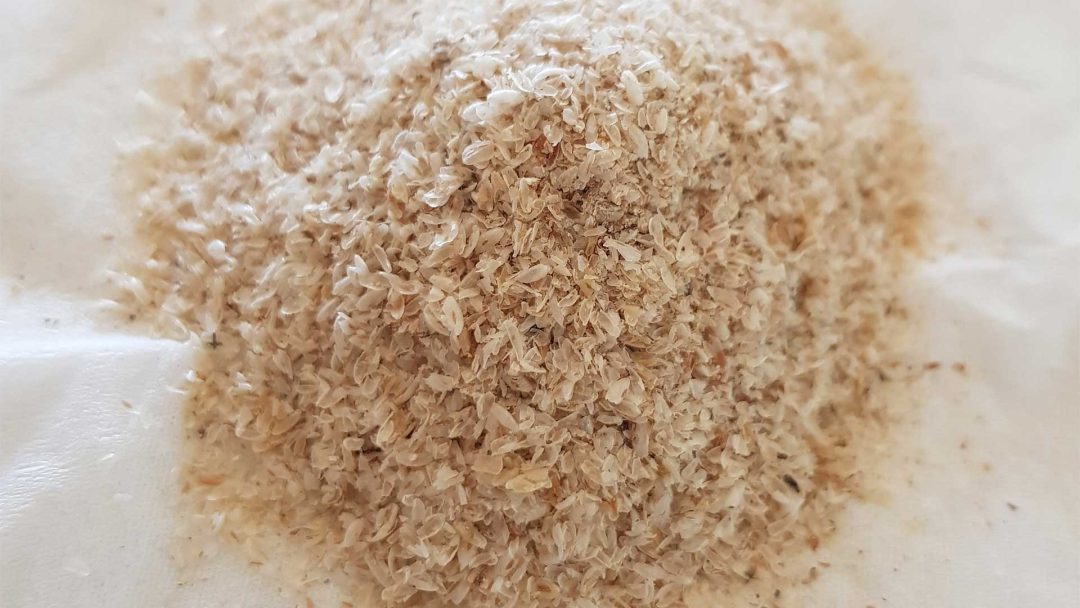
Psyllium Husks

Flohsamenschalen

The content provided herein is for informational and educational purposes only. it does not constitute an endorsement or promotion of any specific diagnostic methods, treatments, or pharmaceutical products. This information is not a substitute for professional medical advice, diagnosis, or treatment from a qualified physician or pharmacist. It should not be used as a basis for self-diagnosis or for starting, modifying, or discontinuing any medical treatment. Always seek the advice of your physician or another qualified healthcare provider with any questions you may have regarding a medical condition or health concerns.

Psyllium husk is becoming increasingly popular as part of a healthy diet and to support digestive health. It is especially rich in soluble fiber, which helps the body retain water in the intestines. This can increase stool volume and naturally regulate digestion. Psyllium husk or psyllium seeds are often used to relieve digestive issues such as constipation or irritable bowel syndrome (IBS). Regular use may also help lower cholesterol levels and reduce fluctuations in blood sugar. Thanks to its wide range of benefits, psyllium husk is now considered a valuable addition to a balanced diet.

What Are Psyllium Seeds or Psyllium Husk?

Psyllium seeds and psyllium husk come from the Plantago ovata plant, which is primarily cultivated in India and other parts of South Asia. The term psyllium seeds refers to the whole seed, whereas psyllium husk refers only to the outer shell of the seed. This husk contains the highest concentration of soluble fiber. Psyllium husk has the remarkable ability to absorb a lot of water, forming a gel-like substance. Thanks to this swelling property, it can be especially helpful in supporting healthy digestion and regulating bowel movements.

In many cultures, especially in Ayurvedic and traditional Arabic medicine, psyllium seeds or psyllium husk have been used for many years as a natural way to promote gut health. Today, psyllium husk is also gaining importance in Western naturopathy and nutritional medicine.

Psyllium Husk and Its Dietary Fiber

Psyllium husk stands out because it is especially rich in soluble fiber, which sets it apart from many other natural bulking agents. Around 80 to 90% of the husk is made up of substances that bind with water in your digestive system to create a gel-like substance. This unique ability is what makes psyllium husk such an effective type of fiber for supporting healthy digestion.

Dietary fiber consists of plant-based food components that your body can’t digest. While fiber doesn’t provide energy to your body, it serves an important purpose for your health, especially in supporting the intestines and digestive system. There are two main types of fiber: soluble and insoluble. Soluble fiber, which psyllium husk contains in large amounts, absorbs water, helps slow down how quickly your stomach empties, and supports the growth of healthy bacteria in your gut. Insoluble fiber, on the other hand, mainly stimulates bowel movements and helps reduce the time waste stays in your digestive tract.

Additionally, the fiber in psyllium husk can help stabilize your blood sugar levels after meals and lower your cholesterol. This happens because the fiber binds to bile acids and helps your body eliminate them. With these wide range of health benefits, psyllium husk is a valuable addition to a high-fiber, gut-friendly diet.

Dr. med. Karsten Ostermann M.A.

Especially with existing gastrointestinal disorders it is very important to seek support from a medical specialist before using psyllium husks to promote healthy digestion.

Dr. Karsten Ostermann

Psyllium Husk and Its Nutritional Value

Psyllium husk is valued not only for its ability to absorb water and its high fiber content, but also for its beneficial nutritional profile.

The nutritional values of psyllium husk per 100 grams:

  • Calories: approx. 150–250 kcal
  • Fiber: about 80–85 g
  • Protein: approx. 2 g
  • Fat: less than 1 g
  • Carbohydrates: approx. 3 g (most of which are indigestible)

Most of the carbohydrates in psyllium husk are indigestible fibers that your body doesn’t convert into energy. Other macronutrients, such as fat and protein, are present only in very small amounts.The health benefits of psyllium husk don’t come from its nutritional density in the traditional sense, but rather from how it works in the body. The fiber it contains supports healthy digestion, helps you feel full for longer, and may have a positive effect on both cholesterol and blood sugar levels.

What’s the Difference Between Psyllium Seeds and Psyllium Husk?

While using the terms psyllium seeds and psyllium husk often mean the same thing, they’re actually different parts of the same plant called Plantago ovata. The key differences between psyllium seeds and psyllium husk are in how they’re prepared and how they affect your body.

Psyllium seeds are the whole, unprocessed seeds of the Plantago ovata plant. Besides fiber, they also contain small amounts of fat, protein, and starch. Unlike the psyllium husk, their ability to absorb water and swell is much lower. For this reason, they are generally used as a gentle support for digestion, especially when you want a milder form of regulation.

Psyllium husk, on the other hand, is just the outer shell of the psyllium seeds. It contains very few digestible components but is especially rich in soluble fiber and mucilage. These gel-forming fibers can absorb many more times than their own weight in water, which helps support digestion and regulate stool volume more effectively. Because of these properties, psyllium husk is considered the more effective form when it comes to promoting gut health.

Indian psyllium seeds and psyllium husk are especially noteworthy. They come from Plantago ovata plants grown in India, the main region where psyllium is cultivated. Products like Indian psyllium husk are known for their particularly high quality, purity, and amazing water-absorbing capacity. Compared to other varieties, such as European types, Indian psyllium is considered more effective. That’s why it is the most commonly used and recommended form in naturopathy, nutritional therapy, and dietary supplements.

Health Benefits of Psyllium Husk

Psyllium husk offers a wide range of health benefits. It’s best known as a natural remedy for digestive issues, but it can also help support healthy blood sugar and cholesterol levels. Psyllium husk is made up mostly of soluble fiber, particularly mucilage, which is a type of plant-based, gel-forming fiber. In the gut, these fibers absorb large amounts of water and form a soft, gel-like substance. This helps increase stool volume, makes it softer, and promotes regular, gentle bowel movements. Thanks to these properties, psyllium husk is especially helpful for relieving constipation, managing irritable bowel syndrome (IBS), and easing symptoms related to hemorrhoids.

Psyllium Husk for Diarrhea

Psyllium husk is a well-tolerated, gentle remedy to support digestive balance.While it’s commonly used to relieve constipation, it can also be helpful in cases of acute or chronic diarrhea. It has the unique ability to adapt to the current conditions in the gut.

In cases of diarrhea, stool becomes too loose or watery because the large intestine doesn’t have enough time to absorb water from the digested food.Additionally, water is often released directly through the intestinal lining, which is why stool can become watery or mushy. These symptoms can occur with gastrointestinal illnesses as well as with irritable bowel syndrome, food intolerances, or chronic inflammatory bowel diseases like Crohn’s disease.

Psyllium husk contains soluble fiber that acts like a sponge in the intestines. It absorbs excess water from the stool, helping to make it firmer. At the same time, it slows down the passage of intestinal contents through your digestive tract, giving your body more time to absorb nutrients and fluids. Additionally, the mucilage (gel-forming substances) in psyllium husk can also have a soothing effect on your intestinal lining.

For best results, psyllium husk should be taken several times a day, stirred into a glass of water. It’s important to let the mixture sit for a few minutes before drinking it, so the husk can begin to swell. After drinking, follow with another full glass of water. This helps ensure that the husk doesn’t absorb water directly from the intestines in its dry form, allowing it to work gently and effectively.

Psyllium Husk for Constipation

Psyllium husk is commonly used to relieve constipation and is a proven, natural method for gentle and effective digestive support. With its high content of soluble fiber, psyllium husk can significantly increase stool volume and help improve movement through the intestines—making it easier to pass stool and relieving constipation.

When mixed with water, the fiber in psyllium husk swells significantly, increasing the volume of the intestinal contents. This makes your stool softer, allowing your bowels to empty more easily and regularly. Unlike many laxative medications, this effect doesn’t irritate your intestines but supports them naturally. This makes it especially well-tolerated and suitable for long-term use in managing constipation.

Psyllium Husk for Irritable Bowel Syndrome

Using psyllium husk for irritable bowel syndrome has proven particularly helpful in recent years, especially because of its gentle and regulating effect on your intestines.  People with irritable bowel syndrome often experience a mix of symptoms, including constipation, diarrhea, bloating, and abdominal pain. Psyllium husk is mostly made up of soluble fiber that swells in the gut and forms a gel-like substance. This gel absorbs excess fluid when stool is too loose, or adds moisture when it’s too hard. This way, psyllium husk helps normalize stool consistency in irritable bowel syndrome, regardless of whether you’re experiencing diarrhea or constipation.

Another important aspect of irritable bowel syndrome is the sensitive intestinal lining. Here, the mucilage in psyllium husk can provide additional protective benefits. It forms a fine film over your intestinal lining and helps soothe irritation. At the same time, the fiber also serves as food for healthy gut bacteria, which strengthens your intestinal flora.

Psyllium Husk for Weight Loss

When used intentionally, psyllium husk can be a highly effective and natural aid for weight loss—especially as part of a holistic approach to weight management. Its high content of soluble fiber allows it to swell significantly when mixed with liquid, forming a gel-like substance. This gel stays in the stomach longer, which helps you feel full for a longer period of time and naturally reduces hunger and the urge to snack between meals.

This property is especially valuable for individuals with obesity, who often struggle with impaired satiety signals. Psyllium husk can help promote healthier eating habits, reduce overall calorie intake, and support gradual, sustainable weight loss. In addition, psyllium husk helps stabilize blood sugar levels by slowing the absorption of carbohydrates in the gut. This can reduce cravings and reduce strain on your metabolism. When combined with regular physical activity and a balanced diet, consistent use of psyllium husk can even help stimulate metabolism, particularly by supporting healthy digestion and promoting regular bowel movements.

Using Psyllium Husk to Lower Cholesterol - Natural Remedy

Using psyllium husk to help lower cholesterol levels is a well-recognized and widely used natural approach. It has proven particularly effective in individuals with hypercholesterolemia (high cholesterol), especially those with elevated total or LDL (bad) cholesterol levels. The therapeutic benefit of psyllium husk is based on its high content of soluble fiber, especially mucilage, which specifically affects fat metabolism.

In your digestive tract, the soluble fiber in psyllium husk binds to bile acids, which are made from cholesterol and play a key role in fat digestion. Normally, most of these bile acids are reabsorbed back into your system through what’s called the enterohepatic cycle. However, when this cycle is interrupted by fiber binding to the bile acids, your body needs to produce new bile acids. This process leads to an increased breakdown of the body’s own cholesterol. As a result, levels of LDL cholesterol, often called the “bad” cholesterol and a major risk factor for cardiovascular disease, can be significantly lowered.

Regular intake of psyllium husk can therefore have a moderate cholesterol-lowering effect, particularly in cases of mild to moderate hypercholesterolemia.

Psyllium Husk and Its Effect on Blood Sugar

Psyllium husk plays an increasingly important role as a nutritional support therapy for diabetes mellitus, particularly for type 2 diabetes. Its high content of soluble fiber has been shown to have a positive effect on blood sugar levels by naturally helping to regulate glucose metabolism.

After psyllium husks are hydrated, their soluble fiber slows down stomach emptying while also reducing glucose absorption in the small intestine. As a result, blood sugar levels rise more slowly and steadily after meals. This effect is particularly important for individuals with diabetes or impaired glucose tolerance, as it helps avoid blood sugar spikes and supports better glycemic control. Research shows that taking psyllium husks regularly can not only improve how your body responds to glucose, but may also help lower fasting blood sugar levels slightly. Furthermore, the fiber helps improve insulin sensitivity, which can have a positive long-term effect on your body’s overall carbohydrate metabolism.

Overall, psyllium husks can be a valuable, low-risk addition to conventional treatment for increased blood sugar or diabetes.

Side Effects and Risks of Psyllium Husks

While psyllium husks are generally considered well-tolerated, side effects and risks can still occur when taking this plant-based fiber supplement. This is especially the case, if psyllium husks are not used properly or if taken by individuals with certain existing health conditions. The most common complaints include bloating, abdominal pain, and feelings of fullness, particularly when first starting to take them. These symptoms occur because of the strong swelling ability of psyllium husks, which can expand many times their original volume in the intestines. If psyllium husks are not taken with sufficient water, the swelling mass can clump together in the digestive tract and can obstruct the passage of stool.

Another risk involves potential interactions with medications. Due to their swelling and gel-forming properties, psyllium husks can delay or reduce the absorption of certain active ingredients in the intestine. Therefore, it is important to maintain an adequate time gap between taking psyllium husks and medications.

Although rare, allergic reactions are possible. These may manifest as skin rashes, itching, breathing difficulties, or irritation of the mucous membranes. When used properly and with adequate fluid intake, psyllium husks can be a safe and effective aid for digestion and metabolism. However, individuals with chronic conditions or those taking medications regularly should consult a healthcare professional before using psyllium husks to rule out any potential risks.

When should psyllium husks not be taken?

Psyllium husks are considered a natural and generally well-tolerated source of fiber. However, there are certain health conditions where their use may be counterproductive and could even cause health problems. Special caution is needed for individuals with conditions or symptoms affecting the digestive tract.

Psyllium husks should not be taken when there are narrowings or stenoses in the esophagus, stomach, or intestines. These narrow areas can become blocked or worsened by the strongly swelling fiber, which might cause a potentially dangerous intestinal blockage. Similarly, people with swallowing difficulties or throat problems are at risk, as the swelling of psyllium husks in the upper digestive tract can obstruct passage and worsen breathing or swallowing difficulties.

Another reason to avoid taking psyllium husks is unexplained rectal bleeding or other unclear gastrointestinal symptoms. In these cases, there is a risk that a serious condition, such as tumors, inflammatory bowel diseases, or hemorrhoids, could go undetected and remain undiagnosed due to psyllium husk use. Therefore, medical evaluation is essential when such symptoms are present.

Furthermore, psyllium husks should not be used in cases of acute intestinal obstruction (ileus), as they can worsen the blockage and potentially make the condition life-threatening. They should also be avoided during acute inflammation of gastrointestinal conditions like Crohn’s disease or ulcerative colitis. The swelling and increase in volume caused by the psyllium can irritate the lining of the gut and make inflammation worse.

Psyllium husks interactions with medications

Because of how psyllium husk swells and binds in your digestive system, it can affect how well your body absorbs certain medications in the intestine. The fibers can form a gel-like layer that may slow down the movement of the medication and reduce how well it is absorbed. This can be especially problematic for medications that require careful dosing or have specific absorption needs.

Certain medications, including thyroid hormones, anti-diabetic drugs, cardiovascular medications, and some pain relievers, can be affected by psyllium husks. To avoid interfering with the effectiveness of these medications, it’s important to leave enough time between taking psyllium husk and your medications. It’s generally recommended to take psyllium at least one to two hours before or after your medication. This ensures that the absorption of your medication isn’t significantly impacted, while still allowing you to benefit from the positive effects of psyllium. However, it’s always a good idea to consult with your doctor or pharmacist to minimize any potential risks of interactions.

Psyllium husks during pregnancy

Taking psyllium husks during pregnancy is generally considered safe and is often recommended as a natural way to support digestion. Many pregnant women experience constipation due to hormonal changes and the increasing pressure from their growing baby on their intestines, which is why psyllium husk is used as a plant-based remedy to help regulate bowel function. Due to their high content of soluble fiber, psyllium husks expand in the intestines, promoting regular bowel movements without irritating the digestive system or causing strong side effects. Despite these positive effects, pregnant women should always consult with their doctor before taking psyllium husk. This is especially important if there are any pregnancy complications or other health conditions. Psyllium husks are also considered safe during breastfeeding. It can help support your digestion without the active components passing into your breast milk or affecting your baby.

How to Take and Use Psyllium Husks

Taking psyllium husks is very straightforward, but there are a few key points to keep in mind to get the most benefit. Psyllium husk is usually available as a fine powder or in capsule form. When it swells in your digestive tract, it increases in volume, which stimulates digestion and supports healthy bowel function. To avoid unwanted side effects like bloating or constipation, it’s important to drink plenty of water and gradually increase your psyllium husk dosage.

Psyllium Husks: Ground or Whole?

Psyllium husks are available in both whole and ground forms, with each type having its own specific properties. Both forms are made from the outer shell of psyllium seeds, which is rich in soluble fiber and able to swell effectively in the digestive tract.

The whole psyllium husk retains its natural structure and swells to form a gel-like volume after you take it. It’s particularly effective for gently stimulating bowel movements and increasing stool mass. Because of the larger seed size, it can be processed more slowly in your digestive tract. Whole psyllium husk is especially favored by people who prefer a natural, unprocessed source of fiber.

In contrast, ground psyllium husks are finely processed and have a larger surface area. This allows it to dissolve faster in liquids and work more quickly, which can be beneficial in certain situations, for example, when a rapid effect in the digestive system is wanted. It’s also easier to mix into drinks, making it more convenient for daily use. However, the finer texture may cause more irritation to the intestinal wall in some people, or may be less filling compared to whole husks.

Both forms offer similar health benefits, particularly due to their high content of soluble fiber, which helps regulate bowel function, lower cholesterol levels, and stabilize blood sugar levels.

Taking Psyllium Husks with Liquids

Psyllium husks should always be taken with plenty of fluids to ensure they work effectively and to prevent potential side effects. When mixed with water, the fiber swells significantly and forms a gel-like substance that supports digestion and helps ease bowel movements.

Psyllium husks should be mixed with at least 200 to 300 milliliters of water or another liquid, such as juice or herbal tea. The mixture should be consumed immediately, as it thickens quickly and may become too thick or lumpy if it is left to sit. Adequate fluid intake is especially important to prevent constipation or uncomfortable bloating. It also helps ensure that the psyllium moves smoothly through the digestive system. If you take psyllium husks regularly, be sure to increase your overall fluid intake accordingly.

Taking with yogurt or cereal

Psyllium husks can be easily mixed into yogurt or muesli, making this a convenient and enjoyable way to take them. This method is especially popular among people who dislike the taste or texture of psyllium in liquids. Adding psyllium to yogurt may also offer added digestive benefits, as yogurt contains probiotics that can support the gut microbiome. The recommended amount is about 1 to 2 teaspoons of psyllium husks per serving of yogurt, which is about 5 to 10 grams. This is usually enough to provide the fiber benefits without affecting the texture too much. It’s important to drink plenty of water when having it with yogurt or muesli, as psyllium needs enough liquid to expand properly and support healthy digestion.

Taking Psyllium Husks as Capsules or Powder

Psyllium husks can be taken either as capsules or powder, with each form offering its own advantages. Psyllium husk capsules are particularly convenient for people who don’t like the taste or texture of the husks, or for those who prefer easy intake. The capsules contain dried and finely ground psyllium husk powder.

On the other hand, psyllium husk powder offers more flexibility in dosing and can easily be mixed into liquids like water, juice, or added to foods such as yogurt or muesli. This makes it easier to adjust the amount according to your needs. Just be sure to drink plenty of liquid when taking the powder to prevent clumping and avoid any digestive issues.

Both forms are considered nutritional supplements that can effectively increase your daily fiber intake.

Proper Dosage of Psyllium Husks

The correct dosage of psyllium husks is essential to achieve positive effects on digestion and overall health, while also avoiding any potential side effects. Psyllium husks are primarily made up of soluble fiber, which swells significantly in the intestines, helping to support healthy bowel function.

For adults, the recommended daily dosage is typically between 5 and 15 grams of psyllium husks. It’s usually best to start with a smaller amount, around 5 grams per day, to allow the body to gradually adjust to the increased fiber intake. Five grams is approximately one teaspoon of psyllium husks. The dose can then be gradually increased based on how well you tolerate it. Generally, it’s not recommended to exceed 15 grams per day, as higher amounts may increase the risk of bloating, a feeling of fullness, or constipation.

It’s important to take psyllium husks with plenty of liquid. You should drink at least 200 to 300 milliliters of water per serving to prevent the husks from clumping and to avoid digestive issues. They’re typically taken once or twice daily, for example in the morning and evening, ideally about 30 minutes before a meal.

For health issues such as constipation or irritable bowel syndrome, the dosage can be individually adjusted, but it’s best to do this in consultation with a doctor or nutritionist. For children, lower dosages should generally be used.

Psyllium Husks Experiences and Feedback

A lot of people share positive experiences with psyllium husks, especially when it comes to digestion and overall well-being. One of the most common benefits reported is better regularity in bowel movements. The soluble fiber promotes healthy digestion, supports the formation of healthy stool, and can help regulate both constipation and diarrhea. Additionally, many users experience a general improved feeling of comfort in the abdominal area and improved gut function. However, some users also report an initial worsening of symptoms when they first start taking psyllium husks. This can include bloating, a feeling of fullness, or more frequent bowel movements in the first few days. This is usually due to the digestive system adjusting to the increased fiber intake. These symptoms typically subside after a short period once your body becomes accustomed to the psyllium husks.

Alternatives to Psyllium Husks

Psyllium husks are a popular source of soluble fiber, but there are numerous other natural and effective alternatives that can also support digestion and contribute to your health. Depending on your personal needs and preferences, these fiber sources can be used either alongside psyllium husks or as a substitute.

Flaxseeds are a commonly used alternative to psyllium husks. They contain both soluble and insoluble fiber as well as omega-3 fatty acids.  Like psyllium, flaxseeds swell in the digestive tract and support healthy bowel movements. They also have anti-inflammatory properties and can positively affect the cardiovascular system.

Chia seeds, on the other hand, are rich in soluble fiber that forms a gel-like consistency when mixed with liquid. They support healthy digestion, promote a feeling of fullness, and help keep blood sugar levels stable. Chia seeds are also easy to incorporate into foods like yogurt or smoothies.

Wheat bran is another fiber-rich option, that consists mainly of insoluble fiber. It helps stimulate bowel activity and is particularly effective in preventing and relieving constipation. However, due to its high fiber content, wheat bran may cause bloating in some individuals, especially when introduced too quickly or in large amounts.

Apple peels and other fruit peels also contain valuable dietary fiber, along with vitamins and beneficial plant compounds. Soluble fiber such as pectin from apple peels particularly supports gut health.

Depending on your health goals and tolerance, combining different fiber sources can be beneficial for promoting a varied and balanced diet.

Dr. med. Karsten Ostermann M.A.

In cases of digestive complaints or chronic gastrointestinal problems, an individual medical evaluation may be beneficial. A holistic assessment of gut health may help identify possible underlying causes and support appropriate treatment strategies.

Dr. Karsten Ostermann

Frequently Asked Questions About Psyllium Husks

Below we answer your most common questions about psyllium husks. We’ll cover their effects, usage, and potential side effects to provide you with a clear and comprehensive overview of this natural remedy.

Psyllium husks are rich in soluble fiber and support digestion by absorbing water and expanding in the intestines, which helps stimulate bowel movements. They are commonly used to help with constipation, irritable bowel syndrome (IBS), and diarrhea. Due to their regulating effect on digestion, psyllium husks are an important natural aid for gut health.

Yes, psyllium husks are healthy because they regulate digestion, support the gut microbiome, and may help lower cholesterol and blood sugar levels. Due to their high content of soluble fiber, they also promote feelings of fullness. However, it’s important to use a dosage that suits your individual needs and to drink plenty of fluids to ensure they work effectively and safely.

Zirkulin Psyllium Husks are a branded product known for their high purity and are specifically designed to support healthy digestion. The Zirkulin brand usually offers psyllium husks as powder or in capsule form. They help regulate bowel movements naturally and are free from additives, which is why they are generally well-tolerated.

The main difference between psyllium seeds and psyllium husks lies in their fiber content. Psyllium husks are the outer shell of the seeds and contain significantly more soluble fiber than the whole seeds. This makes the husks much more effective at absorbing water and supporting digestion. Psyllium seeds, on the other hand, also provide small amounts of fat and protein, but are processed more slowly by the body.

The recommended daily amount is typically between 5 and 15 grams of psyllium husks, which equals to about 1 to 3 teaspoons. However, the ideal dosage can vary depending on individual needs and how well you tolerate fiber. It’s essential to take psyllium husks with plenty of liquid to ensure they expand properly in the gut and support healthy digestion.

Yes, you should let psyllium husks soak before consuming them. When combined with liquid, they absorb many times their volume, which is how they develop their health-promoting effects. Soaking improves tolerability, prevents gastrointestinal discomfort, and increases the viscosity of the fiber, which can have positive effects on blood sugar and cholesterol levels.

Psyllium husks should ideally be taken with plenty of liquid, preferably 200 to 300 ml of water per teaspoon of psyllium husks. You can stir them into water, juice, or even mix them into yogurt. It’s best to consume the mixture soon after preparing it, before it thickens too much. Afterward, it’s important to drink a bit more water to help the husks expand fully in the gut and support their digestive benefits.

Psyllium husks are best taken about 30 minutes before a meal, as they expand in the stomach and help support the feeling of fullness. For conditions like constipation or irritable bowel syndrome, taking them in the morning or evening is also beneficial. The key is to take them at a consistent time each day and always with plenty of fluids to ensure they work effectively.

If you’d like to take psyllium husks with yogurt, a recommended amount is about one to two teaspoons per serving. Simply stir the husks into plain yogurt. It’s very important to drink a glass of water afterward, as psyllium husks swell significantly in the intestines. This extra liquid helps them work effectively and reduces the risk of side effects like bloating or discomfort.

When using psyllium husks for diarrhea, it’s best to start with a low dose, around 3 to 5 grams per day, to help absorb excess fluid in the intestines and firm up the stool. The daily amount should be divided into smaller portions and taken throughout the day, always with plenty of water to support the effect and prevent constipation. However, if symptoms persist, it’s advisable to adjust the dosage in consultation with a doctor.

Psyllium husks can support weight loss by expanding in the stomach and helping you feel full for longer. The increased fiber intake also stimulates metabolism, which can be helpful for weight reduction. However, it’s important to use psyllium husks as a supplement to a balanced diet and regular exercise.

Yes, some people may have negative experiences with psyllium husks, usually due to incorrect dosing or not drinking enough fluids. In these cases, bloating, abdominal pain, or an initial worsening of symptoms often occurs, where digestive complaints may temporarily get worse.  In rare cases, allergic reactions may occur. If you notice any unusual symptoms after taking psyllium husks, it’s best to consult a doctor.

Yes, psyllium husks can cause bloating or a feeling of fullness, especially if taken too quickly or in large amounts. These side effects are usually the result of increased fermentation of fiber in the gut and often subside as the body adjusts. To minimize bloating, it’s best to start with a small amount and gradually increase the dose, while also ensuring you drink plenty of fluids.

Psyllium husks can have a positive effect on bowel movements by absorbing water through their soluble fiber  and increasing stool volume. This helps make stools softer and easier to pass, effectively relieving constipation. At the same time, psyllium can also help firm up loose stools in cases of diarrhea, helping to regulate overall bowel function.

Yes, psyllium husks are naturally gluten-free and therefore well-suited for people with gluten intolerance. However, in rare cases, sensitive individuals or those with allergies may experience allergic reactions. These can include symptoms such as skin rashes, itching, or breathing difficulties. If you suspect an allergic reaction, it’s important to stop taking psyllium husks immediately.

You can buy psyllium husks at pharmacies, health food stores, and drugstores, often available both as powder and in capsule form. They can also be easily purchased online, where many retailers offer a wide selection of products, so you can conveniently order from home. When buying psyllium husks, it’s important to pay attention to quality and purity to ensure you’re getting a safe and effective product.

Further information

The information listed contains relevant topics and serves to improve understanding.