
Propolis
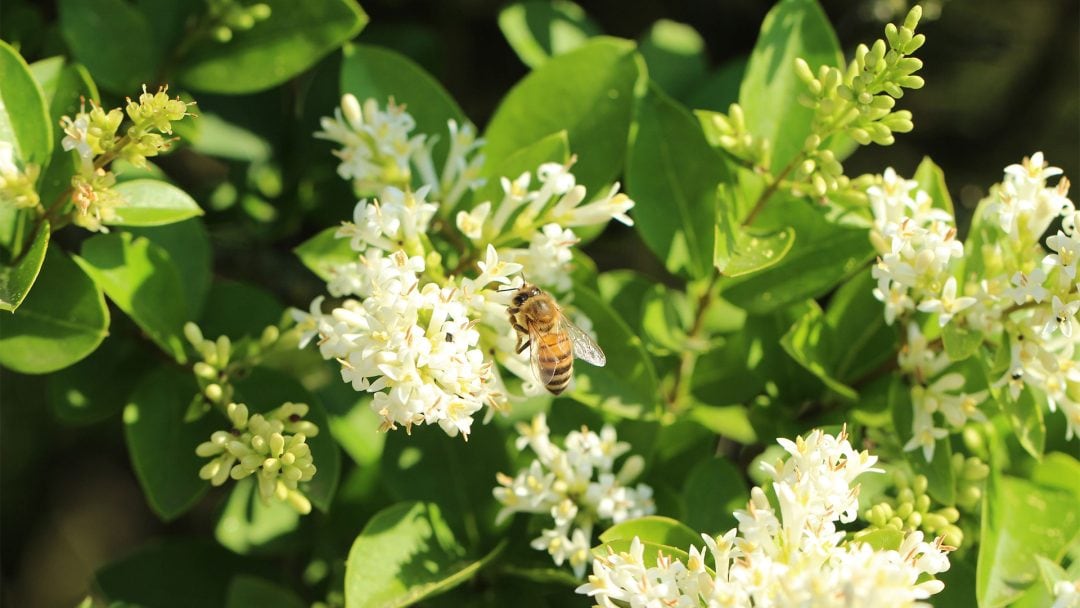
Propolis, also known as bee resin, is a natural product produced by bees from plant buds, tree resins, and wax. Bees use propolis to seal their beehives, protecting them from bacteria, viruses, and other harmful microorganisms. Due to the health benefits of propolis, its use in food supplements has become widespread.
Areas of Application of Propolis
Common applications of propolis involve boosting the immune system, supporting wound healing, alleviating skin conditions, and promoting oral health.
Rich in flavonoids, phenols, zinc, iron, and other minerals, propolis offers various health benefits for humans. It is valued in naturopathy and holistic medicine for its anti-inflammatory, antibacterial, and antioxidant properties. Propolis is utilized in different forms, including tinctures, ointments, powders, and capsules.
Med. pract. Dana Hreus M.A.
Although propolis is considered a natural product, it is still important to use it under medical supervision, especially if you are allergic to bee products.

Further information
The information listed contains relevant topics and serves to improve understanding.