Menopause Weight Gain

Gewichtszunahme Wechseljahre

The content provided herein is for informational and educational purposes only. it does not constitute an endorsement or promotion of any specific diagnostic methods, treatments, or pharmaceutical products. This information is not a substitute for professional medical advice, diagnosis, or treatment from a qualified physician or pharmacist. It should not be used as a basis for self-diagnosis or for starting, modifying, or discontinuing any medical treatment. Always seek the advice of your physician or another qualified healthcare provider with any questions you may have regarding a medical condition or health concerns.

Menopause weight gain is a topic that plays a major role for many women going through menopause. Weight gain can begin as early as perimenopause and become more noticeable into postmenopause. The main cause is hormonal changes, especially the decline in estrogen, which slows down metabolism, shifts fat distribution in the body, and reduces energy expenditure. At the same time, factors such as diet, physical activity, stress levels, and sleep quality also influence how much body weight changes during menopause. Many women notice, however, that it becomes harder to maintain their weight despite unchanged eating habits and regular activity. This makes it all the more important to understand the underlying mechanisms and to adjust your own lifestyle in order to counteract unwanted menopause weight gain.

What Happens When You Gain Weight During Menopause?

Many women notice changes in their body during menopause that are initially hard to place. The gradual weight gain during menopause, despite unchanged habits, is a concern for many. These changes are mainly due to the natural decline in female sex hormones, especially estrogen, but also progesterone. Both hormones influence not only the menstrual cycle but also regulate numerous metabolic processes that are important for weight, energy balance, and fat distribution.

As estrogen levels drop, several metabolic functions in the female body change at once. Estrogen supports insulin sensitivity, sugar metabolism, and energy utilization in the body. When this hormonal influence fades, the metabolism gradually slows down. The body burns energy more slowly and stores excess calories as fat more easily.

At the same time, muscle mass decreases during peri- and postmenopause. The loss of muscle mass is a process that is amplified by hormonal changes and accelerates with age. Since muscle tissue burns significantly more energy than fat tissue, the basal metabolic rate drops. The body therefore needs fewer calories than before to maintain its basic functions. As a result, even when diet and activity remain unchanged, a calorie surplus develops more quickly during menopause. Many women then feel that maintaining their previous weight suddenly becomes much harder.

Another important aspect is the change in fat distribution. Due to the declining estrogen level, body fat increasingly shifts to the abdominal area. This so-called visceral fat gain also has metabolic effects, since belly fat is hormonally active and can influence inflammatory processes in the body.

Overall, menopause weight gain results from an interplay of hormonal changes, reduced energy expenditure, loss of muscle mass, and altered fat distribution. All of these processes are completely natural and vary from woman to woman.

Significant Weight Gain in the Stomach During Menopause

Many women notice during menopause that their waist circumference increases noticeably, even when their overall body weight barely changes. This change is primarily due to the altered fat distribution triggered by the declining estrogen level during menopause. Estrogen plays an important regulatory role in fat metabolism. When estrogen levels drop, fat is stored more easily in the abdominal area, while fat burning decreases. This leads to increased visceral fat, which many women experience as significant menopausal weight gain in the stomach.

Unlike subcutaneous fat, visceral fat is hormonally active and produces inflammatory substances that affect metabolism. This explains why women after menopause have a higher risk of certain cardiovascular diseases, high blood pressure, type 2 diabetes, and lipid metabolism disorders. The body goes through not only external changes during menopause but also a metabolic shift that can have health consequences.

Dr. med. Karsten Ostermann M.A.

Weight gain during the menopause can have different causes that reinforce each other. To maintain a healthy weight during the menopause, it can be important to identify and treat the causal factors.

Dr. Karsten Ostermann

Interplay of Hormones During Menopause

During menopause, it is not only estrogen levels that change. Rather, a particularly complex shift of the entire female hormonal system takes place, affecting metabolism, energy balance, and ultimately body weight. Many women notice this shift when physical changes occur despite unchanged habits. These changes happen because several hormones that previously worked together in harmony increasingly fall out of balance. This affects not only estrogen and progesterone but also cortisol and thyroid hormones, which together influence the body’s metabolism.

Before menopause, estrogen in particular ensures that the body processes nutrients efficiently, builds muscle more easily, and stores fat primarily on the hips and thighs. At the same time, progesterone has a calming effect on the nervous system, supports stable sleep, and promotes a balanced stress response. When progesterone drops first during perimenopause and estrogen follows later, the body loses this hormonal balance. As a result, numerous processes change simultaneously. Metabolism slows down, insulin sensitivity decreases, and fat distribution shifts.

Another important factor is cortisol, the body’s central stress hormone. Due to sleep problems, hot flashes, or psychological stress that many women experience during menopause, cortisol levels can remain elevated over time. A persistently elevated cortisol level promotes the storage of belly fat, increases hunger, and affects blood sugar regulation. As a result, even an unchanged lifestyle can suddenly lead to weight gain during menopause.

The thyroid also reacts sensitively to hormonal changes during menopause. The declining estrogen level can affect the conversion of thyroid hormones and slow down metabolism. This is another reason why many women feel more tired, less resilient, or notice a slower energy expenditure. These processes do not occur in isolation but influence each other, which is why menopause can feel like a complete metabolic shift.

Some women also turn to hormone replacement therapy during menopause, which can positively influence these processes. It can help partially restore hormonal balance, improve sleep quality and metabolism, and stabilize fat distribution. However, hormone replacement therapy does not work the same for everyone, and its use should always be evaluated individually and supervised by a doctor.

Causes of Weight Gain During Menopause

The causes of weight gain during menopause are often more varied than they appear. During peri- and postmenopause, several biological and hormonal processes occur simultaneously. They are closely linked and influence each other. The declining estrogen and progesterone levels, changes in body composition, a gradually decreasing energy expenditure, and shifts in fat metabolism all lead to the body storing weight more easily. In addition, lifestyle factors such as sleep, stress, and physical activity can also influence menopause weight gain.

Estrogen Deficiency and Weight Gain

The decline in estrogen is one of the central factors that promote weight gain during menopause. Many women notice that their waist circumference increases in particular, even though they have barely changed their habits. Before menopause, estrogen has a regulatory influence on fat distribution and protects the body from building up excessive visceral fat, meaning belly fat deep inside the abdominal cavity. When estrogen levels drop during menopause, the body loses this protective mechanism, causing more fat to be stored in the abdominal area.

In addition, estrogen also affects sugar and insulin metabolism. With lower estrogen levels, the body becomes less sensitive to insulin. Glucose is absorbed into cells less efficiently, which causes blood sugar to fluctuate more and prompts the body to convert excess energy into fat more quickly. This process not only makes fat storage easier but also promotes appetite and cravings. This is why phases of increased appetite or sudden hunger attacks often occur during menopause.

Overall, estrogen deficiency makes it easier for the body to store fat, especially in the abdominal area, while also increasing hunger. This is why estrogen deficiency has such a significant influence on weight development during menopause.

Changes in Body Composition

Another central factor that contributes to weight gain during menopause is the change in body composition. These changes result from the natural decline in lean mass, especially muscle tissue. Before menopause, estrogen plays an important role in maintaining muscle tissue, and as hormone levels drop, the body loses this supportive effect. However, muscles burn significantly more energy than fat tissue, even at rest. When muscle mass decreases, the basal metabolic rate drops at the same time and fewer calories are burned by the body. At the same time, the proportion of body fat increases because the body stores excess energy more easily. This change, less muscle and more fat, causes women to gain weight more easily during menopause and makes it harder to lose weight again.

Decrease in Energy Expenditure

The body’s energy expenditure decreases with menopause. On one hand, the basal metabolic rate drops due to the loss of muscle mass. On the other hand, hormonal signals that activate metabolism in younger women change as well. Estrogen normally supports thermogenic processes, meaning heat production in the body, during which the body burns additional energy. This effect diminishes as hormones decline, resulting in fewer calories burned throughout the day. Thyroid hormones, which are crucial for the speed of metabolism, can also be affected by changes during menopause. This is why, in addition to weight gain during menopause, fatigue, lack of motivation, or a generally weak feeling can also occur. All of these are signs of reduced energy expenditure.

Changes in Fat and Lipid Metabolism

In addition to the hormonal changes during menopause, changes in fat and lipid metabolism also occur at the same time. A declining estrogen level causes the body to burn fat less efficiently and store it more easily instead. Blood lipid levels also change. LDL cholesterol and triglycerides often rise, while protective HDL cholesterol can drop. The change in fat distribution is particularly significant, however. Before menopause, hormones promote fat storage primarily on the hips and thighs. With the onset of menopause, storage shifts toward the abdominal area, where more visceral fat develops. This deep abdominal fat tissue produces inflammatory substances that further affect metabolism. This results in altered fat burning and increased fat storage.

Changes in Lifestyle Factors

In addition to hormonal changes, lifestyle factors also play a crucial role in weight gain during menopause. Many women experience sleep problems due to nighttime hot flashes or hormonal fluctuations. Disrupted sleep in turn raises cortisol levels, a stress hormone that promotes fat storage in the body and increases hunger. At the same time, mood swings, everyday stress, or emotional strain can also cause eating habits to change unconsciously. Daily physical activity also decreases for many women, leading to faster exhaustion and reduced performance. All of these changes can lead to continuous weight gain over time. The lifestyle does not necessarily get worse. Rather, the body and mind react differently than before, which can additionally influence weight.

When Does Menopause Weight Gain Occur?
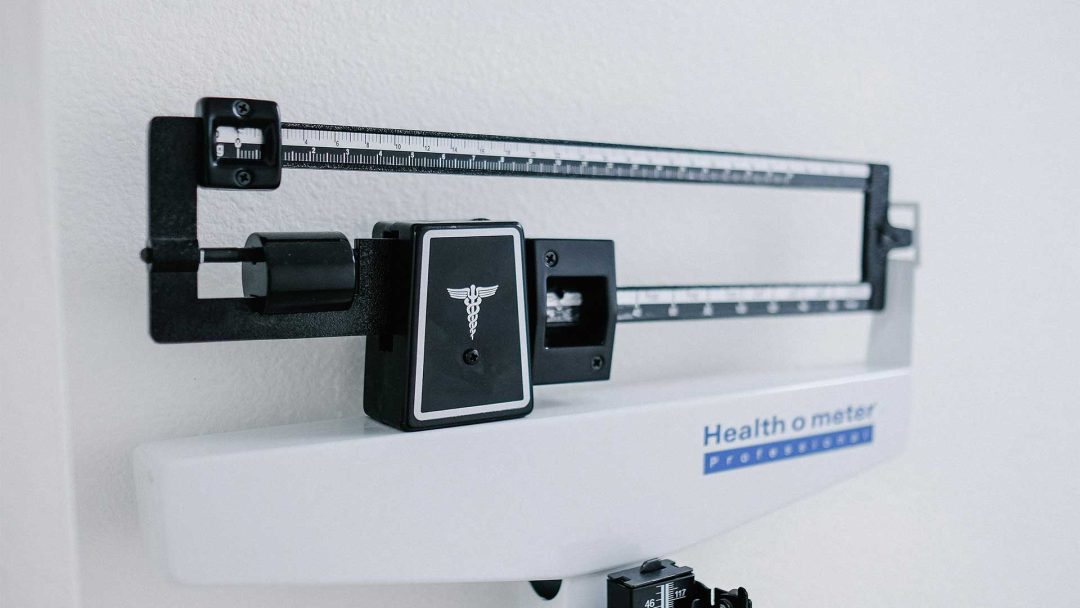
Menopause weight gain begins for many women earlier than they would expect. The first weight increase often shows up during perimenopause, the phase when the cycle becomes irregular and hormone production begins to decline. During this transitional phase, progesterone levels fluctuate in particular, and later estrogen levels do as well, which affects metabolism, fat distribution, and hunger. For many women, this phase of hormonal transition becomes noticeable through an increase in waist circumference, despite unchanged dietary and exercise habits.

However, a more noticeable weight gain usually occurs in the first years after menopause. Once estrogen levels remain permanently low, the way fat is stored changes especially strongly. The body stores more visceral fat in the abdominal area because the counteracting effect of estrogen is no longer present due to the declining levels. This change can develop gradually over months or become noticeable within a short period of time.

How quickly and how strongly weight gain occurs during menopause varies from woman to woman and depends on individual hormonal transitions. Genetic predisposition, metabolism, muscle mass, stress levels, sleep quality, and personal lifestyle habits play just as large a role as the individual hormone situation. Women who enter menopause earlier due to genetic factors or medical procedures also experience the same changes, sometimes even more intensely.

Weight gain during menopause is not a single event but rather a process that can extend over several years. As a rule, weight gain begins gradually during perimenopause and intensifies after menopause.

Sudden Weight Gain During Menopause

Sudden weight gain during menopause can often be very unsettling, especially when it seems to occur without reason. Hormonal fluctuations during peri- and early postmenopause can cause the body to retain more water, slow down metabolism, or store more fat in the abdominal area within a short period of time. The hormonal changes often do not occur evenly but come in waves and can cause weight to increase noticeably within a few weeks without any change in lifestyle.

Nevertheless, a particularly rapid or pronounced weight gain should always be monitored closely. In addition to the typical hormonal causes during menopause, other factors can also lead to sudden weight gain. Thyroid dysfunction, chronic stress with elevated cortisol levels, side effects of certain medications, or early symptoms of an undetected metabolic disorder can all cause weight to increase. Hypothyroidism in particular is diagnosed more frequently during menopause and can lead to rapid weight gain.

If several kilograms are gained within a few weeks, or if additional symptoms such as pronounced fatigue, water retention, shortness of breath, severe mood swings, or cycle irregularities occur, a medical evaluation is always advisable. This can often clarify whether the hormonal transition is the actual cause or whether another possible condition is behind it.

Menopause - How to Stop Weight Gain

During menopause, the body changes noticeably for many women, and many want to actively counteract the changes in weight. Even though the hormonal shifts themselves cannot be stopped, there are effective approaches to support metabolism and stop further weight gain. A combined approach that includes nutrition, exercise, stress management, and, if desired, medical treatments is particularly successful. Only the interplay of these approaches helps bring the body back into balance despite the hormonal changes.

Hormone Therapy During Menopause

Hormone replacement therapy can often provide support alongside the hormonal transition of the female body during menopause. It is used especially when symptoms are severe or daily life is significantly affected. Its goal is to compensate for the developing hormone deficiency and thereby relieve typical symptoms such as hot flashes, sleep disorders, or mood swings. By stabilizing hormone levels, not only can uncomfortable symptoms be reduced, but metabolism and overall well-being can also be positively influenced. However, a medical consultation should take place before starting hormone replacement therapy, as the treatment should always be individually tailored and is not suitable for every woman.

Estrogen Supplementation During Menopause

Estrogen-only supplementation is used exclusively for women who no longer have a uterus, since estrogen alone would otherwise overstimulate the uterine lining. Estrogen is very effective against typical menopausal symptoms such as hot flashes and vaginal dryness, and can also reduce the risk of osteoporosis. Furthermore, studies have shown that a balanced estrogen level can harmonize fat distribution and stimulate metabolism. This can make weight management during menopause significantly easier for women. Despite these benefits, the risks and benefits should always be weighed against each other, as estrogen alone can carry an increased cancer risk depending on personal medical history and is therefore not suitable for every woman. It can be administered in the form of tablets, patches, or gels, with products applied through the skin often placing less strain on metabolism.

Combined Hormone Therapy

For women who still have their uterus, a combined hormone therapy is often recommended, in which estrogen is combined with a progestogen. The progestogen protects the uterine lining from excessive stimulation by estrogen and thus reduces the risk of endometrial cancer. This combination of two hormones affects both typical menopausal symptoms and appetite regulation, fat distribution, and mood. A more stable hormonal situation can also lead to better sleep quality and more balanced eating behavior, which can additionally support weight management. Here too, the therapy should be individually tailored and regularly reviewed by a doctor.

Non-Hormonal Therapy During Menopause

Non-hormonal therapy options offer a good alternative for women who cannot use hormone replacement therapy or consciously decide against it. Especially when pre-existing conditions, individual risks, or personal reservations rule out HRT, herbal preparations, hormone-free medications, or complementary therapeutic measures can help relieve typical symptoms and support the body during this transitional phase. Non-hormonal therapy approaches are generally gentler, but not every woman responds equally well. When effective, however, they can be a valuable complement or alternative to HRT.

Herbal Preparations

Among the best-known herbal preparations are soy isoflavones, red clover, and black cohosh. These plant substances contain so-called phytoestrogens, which have a mild effect similar to estrogen and can thereby relieve hot flashes or mood swings. Some women benefit significantly from herbal preparations, while others barely notice any changes. Nevertheless, these preparations are generally well tolerated and can be a first gentle approach to relieving hormonal symptoms.

Menopause Medications Without Weight Gain

There are various hormone-free medications that can be used specifically to relieve menopausal symptoms without placing additional strain on metabolism. These include, for example, preparations for hot flashes, sleep disorders, or mood swings that work independently of hormones and therefore do not have the typical side effects associated with HRT. Typical side effects of HRT can include water retention or possible additional weight gain. For women who are particularly sensitive to weight fluctuations or already have difficulties with belly fat and metabolic changes, such alternatives can be a sensible option. Modern low-dose therapy forms or locally acting preparations can also show good effectiveness without additionally interfering with the hormonal system.

Homeopathy During Menopause

Homeopathic remedies can provide additional supportive care during menopause, especially when looking for a gentle, natural therapy. The effect of homeopathic remedies is individual, however, as the selection is often based on personal symptoms, emotional state, and physical changes. Homeopathic preparations can often be perceived as soothing, especially for relieving stress, sleep disorders, or inner restlessness. All of these are factors that can in turn influence eating behavior and thus weight development. Homeopathy can be a valuable complement within a holistic approach, especially when lifestyle and medical measures are already being considered.

Boosting Metabolism During Menopause

During menopause, metabolism can slow down noticeably, which is why many women feel that they can eat less and still gain weight. To boost metabolism, exercise and a mindful diet play a particularly important role. Strength training is one of the most effective approaches, as it helps build or maintain muscle mass. The muscles then ensure that the body burns more energy at rest. In addition, endurance training such as brisk walking, cycling, or swimming supports the body’s metabolic activity and promotes fat burning. The body also benefits during this phase from a protein-rich, balanced diet, as proteins support muscle building and keep you feeling full longer. Adequate sleep is equally important. Good sleep stabilizes hormonal regulation, reduces stress hormones like cortisol, and improves the sense of hunger and satiety.

Most Common Questions About Menopause Weight Gain

For some women, the changes in the body during menopause can lead to uncertainty, or they may feel alone with their symptoms. That is why we would like to address your most common questions below, to give you an even better understanding of how weight gain during menopause develops and how to counteract it.

Many women feel during menopause that they are gaining weight without any apparent reason, even though their habits, whether in diet or exercise, have not changed. Behind this is usually the hormonal transition of the body during menopause, in which metabolism slows down, fat distribution changes, and hunger is also affected.

Yes, rapid weight gain can actually be triggered by the hormonal changes of menopause. The changing estrogen and progesterone levels during menopause affect both metabolism and water retention, so some women perceive a relatively sudden weight gain.

The body fundamentally changes its hormone production during this time, which lowers energy expenditure and alters the way fat is stored. The decline in estrogen in particular promotes the development of visceral belly fat, while metabolism overall works less efficiently.

To counteract this, regular exercise, a mindful diet, and a balanced sleep and stress routine are especially helpful. Even small but consistent changes, such as more strength training, enough protein in the diet, or fixed eating habits, can support the body during the hormonal transition.

A combination of muscle building, balanced nutrition, and measures that relieve stress and sleep problems is particularly helpful. This holistic approach supports the body in compensating for the declining basal metabolic rate and reducing hormonally promoted fat storage.

During menopause, homeopathic remedies can be used as a pleasant complement to support overall well-being. However, they do not replace medically based measures, but can be a good addition overall.

Hormone patches are often well tolerated and place less strain on metabolism than tablets, as they release the active ingredient evenly. Many women also report that maintaining their weight improves with a stable hormonal situation, since not every form of HRT necessarily leads to weight gain. Through the steady supply of hormones, sleep, mood, and energy levels can become more stable again, which in turn makes daily life easier and supports weight management.

After stopping the pill, temporary hormonal fluctuations can occur that affect appetite, water balance, or metabolism for a short time. During this phase, the body adjusts back to its own rhythm, as the influence of synthetic hormones falls away and the body’s own cycle or the onset of menopause takes over more strongly. This adjustment can therefore also be physically noticeable, but it generally does not lead to permanent weight gain.

Further information

The information listed contains relevant topics and serves to improve understanding.