
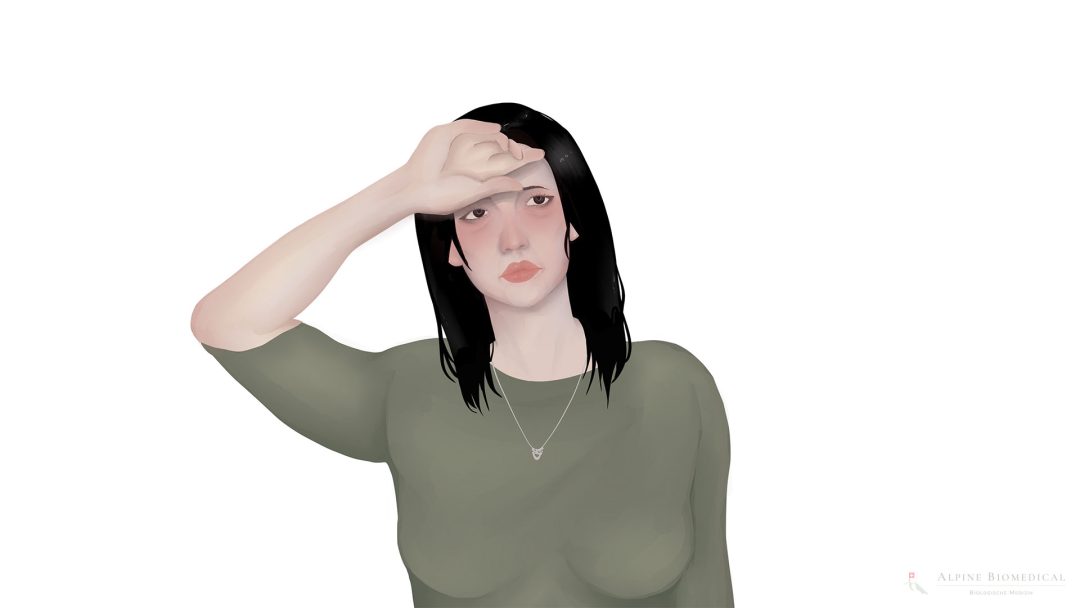
Hot Flashes

The content provided herein is for informational and educational purposes only. it does not constitute an endorsement or promotion of any specific diagnostic methods, treatments, or pharmaceutical products. This information is not a substitute for professional medical advice, diagnosis, or treatment from a qualified physician or pharmacist. It should not be used as a basis for self-diagnosis or for starting, modifying, or discontinuing any medical treatment. Always seek the advice of your physician or another qualified healthcare provider with any questions you may have regarding a medical condition or health concerns.
Hot flashes are among the most common and noticeable symptoms experienced, particularly during periods of hormonal changes, such as menopause. Hot flashes present as a sudden feeling of heat that can spread in waves across the face, neck, and upper body. This sensation is often accompanied by sweating and a racing heart. These symptoms can occur during the day or at night, and may affect quality of life, especially when they are often combined with sleep disturbances. Both women and men can experience hot flashes. The exact cause is complex and involves the regulation of body temperature in the brain, as well as hormonal fluctuations.
What are Hot Flashes?
Hot flashes are sudden, often wave-like sensations of warmth that typically spread across the face and upper body. Hot flashes are considered autonomic symptoms that occur particularly during hormonal changes.
The body’s temperature regulation is a complex system, which is why the development of hot flashes is also considered complex and multifactorial. Temperature regulation is primarily controlled by the hypothalamus, which acts like a thermostat, detecting and responding to even small temperature changes in the body. Through the dilation of blood vessels, activation of sweat glands, and varying muscle activity, the body’s core temperature is kept constant at approximately 37°C.
During hot flashes, however, this precise regulation is disrupted. Especially during hormonal changes, such as a rapid decline in estrogen levels, the temperature receptors in the hypothalamus are affected. As a result, even a slight temperature change is mistakenly interpreted as overheating and triggers an excessive reaction. This uncontrolled process leads to the typical hot flashes.
It is also important to distinguish hot flashes from fever. While fever involves an actual increase in core body temperature, this typically remains normal during hot flashes. The key difference lies not in the measured temperature, but rather in the subjective sensation and the autonomic response. Hot flashes often last a few minutes, though their frequency can vary widely. They can range from occasional episodes per week to several times a day.
Heat Episodes
Heat episodes are typical occurrences of hot flashes that happen suddenly and without an external cause. People affected describe the feeling of “glowing from the inside out,” with the warmth usually first noticeable in the chest or face area and then spreading across the neck and upper body. Heat episodes are typically accompanied by heavy sweating, heart palpitations, and sometimes mild dizziness. The episodes usually last a few minutes but though both their intensity and length can vary greatly. The physical response often resembles a stress reaction, even when there is no clear trigger. Heat episodes frequently occur due to hormonal changes, such as during menopause, but can also be intensified by emotions, alcohol, spicy foods, or sudden changes in temperature.
Dr. med. Karsten Ostermann M.A.
In most cases, hot flashes during menopause subside on their own and a balance occurs. If there is no improvement, the exact causes should be clarified and treated in a cause-oriented manner.

Symptoms of Hot Flashes
Hot flashes are among the typical symptoms of hormonal changes and can occur both at night and during the day. Hot flashes are also accompanied by characteristic symptoms. The symptoms vary individually and can differ significantly in severity, but they usually follow a similar pattern.
Typical Symptoms of Hot Flashes:
- Sudden waves of heat
- Redness of the face, neck, or upper chest
- Profuse sweating
- Rapid heartbeat or increased pulse
Common accompanying symptoms:
- Chills following the heat wave
- Nervousness, irritability, or restlessness
- Sleep disturbances
- Dizziness, light headedness
These symptoms can vary in intensity and duration. In some patients, they occur only occasionally, while for others, they may happen multiple times a day, significantly affecting daily life and well-being. A thorough medical evaluation is especially recommended if the symptoms appear suddenly, become very distressing, or worsen over time.
Why do hot flashes occur especially at night?
Hot flashes are particularly common at night and can be especially challenging during hormonal transition phases, such as menopause. A key factor is the natural circadian hormone rhythm. During sleep, especially in the early morning hours, levels of important hormones like estrogen and testosterone drop. Estrogen, in particular, plays a crucial role in temperature regulation in the hypothalamus, which controls and regulates body heat.
If estrogen levels drop too significantly, the hypothalamus reacts hypersensitively to even the smallest fluctuations in core body temperature. The result is an excessive bodily response in which blood vessels dilate significantly to release heat. This leads to the typical heat wave with sweating and sometimes a racing heartbeat.
Additionally, the autonomic nervous system functions differently at night. During rest, the parasympathetic system dominates, while reactions to stimuli such as changes in temperature are often more noticeable. Together, these physiological processes lead to hot flashes being experienced more frequently and intensely at night, often in the form of sudden sweating, which can result in sleep disturbances.
Causes of Hot Flashes and Possible Conditions
Hot flashes can have many causes. Most commonly, they occur in connection with hormonal changes such as menopause. However, they can also occur in men, young women, or as part of certain medical conditions. The symptoms are usually harmless but can also indicate an underlying disorder of the hormonal balance, metabolism, or nervous system. For this reason, it is important to consider hot flashes as a possible sign of an imbalance in the body, especially when they occur suddenly and intensely. A clear understanding of the cause is therefore crucial for selecting the right treatment. While hormonal hot flashes are usually treatable, certain underlying conditions, such as hyperthyroidism, infections, or neurological disorders, may require more targeted treatment approaches.
Hormonal Changes
Hormonal changes are among the most common triggers of hot flashes. This is because the body’s temperature regulation is closely linked to hormone balance. The hypothalamus is very sensitive to hormonal fluctuations. If this balance is disrupted, it can lead to a sudden widening of blood vessels (vascular dilation) and episodes of sweating, which are typical symptoms of a hot flash.
For example, during menopause the level of estrogen gradually decreases. This hormone normally has a stabilizing effect on the temperature-regulating center in the hypothalamus. When estrogen levels fall, even a slight rise in core body temperature can be perceived as “too warm.” As a result, the body overreacts with the increasing heat release and sweating.
During pregnancy, hot flashes can also occur due to the significant rise and later drop in estrogen and progesterone levels. These hormonal fluctuations affect blood circulation and autonomic regulation, which can lead to sensations of heat, circulatory changes, and increased sweating.
Furthermore, hot flashes can also occur during menstruation, usually shortly before or during the period. During this phase, estrogen levels also temporarily drop, which can disrupt body’s temperature regulation, especially in women who are more sensitive to hormonal changes.
Men can also be affected, such as in cases of testosterone deficiency, which occurs, for example, with aging or as part of certain treatments, such as for prostate cancer. Testosterone has a stabilizing effect on metabolism and the autonomic nervous system. When testosterone levels drop, temperature regulation can become disrupted, which may lead to hot flashes.
In addition, thyroid disorders, particularly hyperthyroidism, also play an important role. In this condition, an excess of thyroid hormones significantly accelerates metabolism and circulation. This can lead to symptoms such as restlessness, heart palpitations, heat intolerance, and recurrent hot flashes accompanied by excessive sweating.
In all these cases, hot flashes are an indication of disrupted hormonal regulation in the body and therefore not just a symptom, but also an important signal of an underlying imbalance.
Stress and Psychological Strain
Stress and psychological strain are among the most frequently underestimated triggers of hot flashes. During periods of internal tension, the sympathetic nervous system is increasingly activated, which is responsible for the typical “fight-or-flight” response. In stressful situations, the release of adrenaline and noradrenaline increases, which can lead to an accelerated heart rate, elevated blood pressure, and increased blood flow to the skin. These physical reactions are often perceived as a sudden increase in body heat, accompanied by sweating and restlessness, which are very similar to classic hot flashes.
In people with anxiety disorders or panic attacks, acute phases can also lead to excessive activation of the sympathetic nervous system. This can result in hot flashes or intense sweating, triggered not by external heat, but by emotional stress.
Chronic stress can also disrupt the balance of the autonomic nervous system and make the body more sensitive to temperature changes. In such cases, hot flashes are caused by hormonal changes, but rather an expression of impaired stress processing. Therefore, it is also important to consider psychological well-being when dealing with persistent or unexplained hot flashes.
Medications as a Trigger
Medications can also cause hot flashes, either as a side effect or due to their effects on the hormonal or nervous system. This is particularly common with hormone therapies used to treat hormone-dependent tumors, such as breast or prostate cancer. During these therapies, the targeted reduction of estrogen or testosterone often leads to hot flashes that are similar in intensity and frequency to those experienced during natural menopause.
Antidepressants, such as selective serotonin reuptake inhibitors (SSRIs), can also cause hot flashes as a side effect. These medications affect regulation in the brain and can disrupt temperature control in the hypothalamus, particularly at the beginning of treatment.
Opioids are specifically used for pain management and have a dampening effect on the central nervous system. However, they also alter the regulation of body temperature and sweat production. In this case, hot flashes can be a result of altered sensory processing. Certain blood pressure medications, such as calcium channel blockers or vasodilators, can also promote heat release through the widening of blood vessels (vasodilation). Additionally, chemotherapy drugs should be mentioned as medications that can lead to hot flashes. They affect not only the hormonal system but also the autonomic nervous system.
Overall, when new or sudden hot flashes occur, current medication should always be reviewed to identify possible connections and adjust treatment if necessary.
Diet and Lifestyle
Diet and certain lifestyle factors also influence the occurrence and intensity of hot flashes. Certain stimulants and habits directly affect the autonomic nervous system and vascular regulation. These are two central mechanisms involved in hot flash episodes.
For example, alcohol dilates blood vessels, which increases blood flow to the skin and can create a subjective feeling of heat. Caffeine, especially in high doses, can also promote hot flashes and palpitations by stimulating the nervous system. Additionally, spicy foods contain capsaicin, a substance that activates heat receptors in the mouth and can also lead to a temporary activation of temperature regulation.
A sedentary lifestyle or obesity can also intensify hot flashes, as excess body fat makes it harder for the body to regulate temperature and metabolism can respond less flexibly to temperature fluctuations. Exercise, on the other hand, improves vascular function, promotes circulation, and can stabilize the autonomic nervous system in the long term.
Smoking is another factor. Nicotine affects blood vessel diameter and impairs circulation. Additionally, it disrupts estrogen levels, which in turn can negatively affect hormonal stability and temperature regulation. Therefore, a healthy lifestyle consisting of a balanced diet, regular exercise, and avoiding alcohol and smoking can help to the relief of hot flashes.
Hot Flashes in Cancer
Hot flashes are among the most common autonomic symptoms in patients with cancer, particularly when the tumor is hormone-dependent, such as in breast cancer or prostate cancer. These symptoms are not primarily caused by the tumor itself, but rather by the way cancer treatments influence the body’s hormone balance. In hormone-dependent tumors, the goal of treatment is to block hormones such as estrogen or testosterone or to reduce their production. Hormone therapies are used for this purpose, such as tamoxifen or aromatase inhibitors in breast cancer, or androgen suppressants in prostate cancer. These medications intentionally lower hormone levels. Since estrogen in particular has a stabilizing effect on the temperature control center in the hypothalamus, its absence leads to hypersensitivity of the system. As a result, even minor changes in body temperature trigger an oversensitive heat sensation.
However, hormone therapies are not the only treatments that can trigger these processes. Certain chemotherapy medications also impact metabolism, influencing neuroendocrine regulatory circuits and potentially damaging hormone-producing organs. Furthermore, it is known that radiation therapy, particularly in the pelvic or brain region, can also indirectly disrupt temperature regulation and hormonal balance. Additionally, the overall burden of cancer and the associated psychological stress can sensitively upset the autonomic nervous system, which may intensify hot flashes even more.
Hot Flashes During Colds and Infections
Hot flashes do not occur only in connection with hormonal changes or stress,they can also appear during colds and infectious diseases. In these situations, they are usually not perceived as hot flashes, but rather as part of the fever response. This often includes temperature fluctuations, episodes of sweating, and chills. In many infections, such as influenza, COVID-19, tuberculosis, HIV, or malaria, the body responds by activating the immune system in a targeted way. In the process, the body temperature set point in the hypothalamus is regulated upward.
This process helps the body fight off pathogens. During this phase, many people experience a sensation of internal heat or waves of warmth, often accompanied by sweating, skin flushing, or an increased heart rate. The alternation between cold and heat episodes is also common. When the body adjusts to the new temperature set point, individuals may first feel cold; later, as the body temperature rises or the fever subsides, they may feel intense warmth or heavy sweating. These reactions resemble hot flashes, but they have completely different causes.
Hot flashes that occur during infections are not a sign of disrupted temperature regulation but rather a normal part of the body’s natural defense. In most cases, treatment focuses on addressing the underlying infection. Supportive measures such as cooling techniques, staying well hydrated, and using fever-reducing medications can also be helpful.
Hot Flashes in Thyroid Disease
Thyroid disorders can significantly affect the body’s temperature regulation and in some cases lead to hot flashes, especially when there is hyperthyroidism or fluctuations in hormonal balance. The thyroid gland controls key metabolic processes through important hormones, thyroxine (T4) and triiodothyronine (T3). They directly affect energy metabolism and body temperature.
In hyperthyroidism, large amounts of thyroid hormones are produced. This significantly accelerates the metabolism and often leads to persistent warmth sensations, increased sweating, restlessness, weight loss, heart palpitations, and hot flashes are common as well. In this context, hot flashes can occur suddenly and feel like an overreaction of the body to what are actually normal temperature triggers.
Hashimoto’s thyroiditis, a chronic autoimmune disease of the thyroid gland, can also cause hot flashes. However, hot flashes typically occur only at the beginning of the disease, due to the destruction of thyroid tissue. This leads to an uncontrolled release of thyroid hormones. This phase of temporary hyperthyroidism can produce symptoms similar to classic hyperthyroidism, including heat waves, nervousness, and sleep disturbances.
A thorough evaluation of hot flashes should be carried out especially when they occur together with other symptoms such as weight loss, nervousness, or heart palpitations.
Hot Flashes with Hypoglycemia
Hot flashes can also occur along with hypoglycemia, meaning excessively low blood sugar levels. This phenomenon is particularly common in people with type 1 diabetes mellitus, as insulin therapy significantly increases the risk of rapid drops in blood sugar.
During hypoglycemia, the body responds with a stress reaction mediated by the sympathetic nervous system. Stress hormones such as adrenaline and noradrenaline are released to quickly provide the body with energy. This hormone release leads to various autonomic symptoms, including trembling, nervousness, palpitations, as well as hot flashes and sudden sweating. The intensity of these symptoms can vary and is often experienced with a strong hypersensitivity to changes in temperature.
It is typical that these heat waves usually develop very suddenly, often together with restlessness, weakness, or intense hunger. They can usually only be relieved by rapid intake of sugar. Additionally, patients with type 2 diabetes who take certain blood sugar-lowering medications can also be affected.
Overall, it is important to consider hypoglycemia as a possible trigger when hot flashes occur repeatedly, especially in individuals with known diabetes.
Hot Flashes in High Blood Pressure
Hot flashes can also occur in connection with high blood pressure, especially when blood pressure is unstable and shows significant fluctuations. Although hot flashes are typically associated with hormonal or metabolic causes, the cardiovascular system can also play an important role in regulating body temperature.
When a sudden increase in blood pressure occurs, the peripheral blood vessels dilate, especially in the face, neck, and upper body. This process, known as vasodilation, is a protective response by the body to counteract and moderate the elevated pressure. Most people often perceive this reaction as intense warmth. It may also be accompanied by heart palpitations and sweating which are classic symptoms that can easily be confused with hot flashes.
These symptoms usually occur when blood pressure is poorly controlled, as blood pressure values fluctuate significantly throughout the day. Stress or excessive physical exertion can also be triggers. On the other hand, a sudden drop in blood pressure, such as after taking certain medications, can also cause hot flashes. Therefore, hot flashes associated with blood pressure changes should be evaluated. In many cases, symptoms can be significantly relieved through better blood pressure control or by reducing triggers such as stress.
Other Conditions with Hot Flashes
Besides the classic hormonal causes and metabolic disorders, there are other conditions in which hot flashes can occur as an accompanying symptom. The hot flashes do not necessarily arise through the same mechanism as in other conditions, but can have different physical or autonomic causes.
For example, in panic disorders and anxiety states, hot flashes can be triggered by a sudden activation of the sympathetic nervous system. This leads to a feeling of internal warmth, accompanied by racing heart, sweating, and intense restlessness. These symptoms strongly resemble hormonally induced hot flashes, but they are caused by psychological triggers, rather than hormonal or infectious factors.
In fibromyalgia, a chronic pain syndrome, many patients also report experiencing hot flashes regularly. The exact mechanism is not yet fully understood, but dysregulation of the autonomic nervous system plays a crucial role, combined with an increased sensitivity of the body to temperature changes.
Obesity, or severe overweight, also poses a burden on the body, particularly with regard to temperature regulation. Excessive fatty tissue insulates the body, making it more difficult to release heat. This can cause affected individuals to overheat more quickly or to respond to even slight temperature increases with hot flashes. This occurs especially during physical exertion or in warm environments.
Hot flashes are also repeatedly reported in chronic conditions such as multiple sclerosis (MS) or endometriosis. In MS, for example, heat can worsen symptoms, leading to temporary flare-ups. In endometriosis, hormonal fluctuations during the menstrual cycle can have a similar effect to those experienced during menopause.
Hot Flashes in Women
Hot flashes are among the most common autonomic symptoms in women, particularly during certain hormonal life phases. They occur primarily in connection with menopause, but can also occur during menstruation, pregnancy, or following hormonal interventions.
The reason hot flashes are particularly common in women is due to the close relationship between female sex hormones, especially estrogen, and the body’s central temperature regulation in the hypothalamus. When estrogen levels suddenly or significantly fluctuate, as often happens at the beginning of menopause or after hormonal interventions, the temperature control center reacts hypersensitively to even the smallest fluctuations in core body temperature. The result is sudden hot flashes, often accompanied by sweating, heart palpitations, or restlessness.
Hot Flashes During Menopause
Hot flashes are one of the characteristic symptoms of menopause and are often the first and most noticeable sign of this hormonal transition phase. The cause lies in the decline of estrogen production, which disrupts the female hormonal balance. Estrogen normally has a regulating effect on the temperature control center in the hypothalamus. As levels drop, this center becomes overly sensitive to the smallest temperature fluctuations in the body. The body then initiates a sudden response to “cool down.” This occurs through skin flushing, skin redness, heavy sweating, a sensation of heat, and sometimes heart palpitations.
The severity of hot flashes varies from woman to woman. Some experience them only occasionally, while others suffer from intense episodes multiple times a day. Studies show that about 50 to 80% of women going through menopause experience hot flashes, with most symptoms occurring during perimenopause, at the beginning of menopause.
Nighttime hot flashes are particularly common and are experienced as especially distressing, as they disrupt sleep and can lead to exhaustion, mood swings, or concentration problems. For some women, the symptoms subside after a few months, but for others they can persist for several years, sometimes even into older age.
Treatment is tailored to the individual, based on the severity of symptoms and any accompanying conditions the woman may have. In addition to hormone therapies, herbal remedies, lifestyle changes, and targeted relaxation techniques can also be effective. It is essential to discuss symptoms with a healthcare professional and find an appropriate therapy to relieve the symptoms.
Femibion for Hot Flashes During Menopause
Femibion is a dietary supplement specially designed to support the needs of women during menopause. Its combination of micronutrients and plant extracts is intended to help stabilize the hormonal levels, which can become imbalanced during menopause.
The supplement contains, among other things, vitamin B6, which helps regulate hormonal activity, as well as vitamin D and calcium for maintaining healthy bones. Since estrogen also plays an important role for bone health, these micronutrients and vitamins become especially important during menopause. Femibion also contains omega-3 fatty acids, which have anti-inflammatory properties and support the cardiovascular system. The phytohormones it contains plays a key role, such as those from soy or flaxseed, which are structurally similar to the body’s own estrogen and can help ease typical symptoms such as hot flashes, mood swings, or sleep disturbances. However, this occurs in a much milder form than with hormone replacement therapy.
However, it’s important to note that Femibion does not replace medical treatment, but it can be useful as a complementary measure. It may be a good alternative especially for women who do not wish to use or cannot tolerate traditional hormone replacement therapy. The effectiveness depends on many individual factors, so it’s advisable to consult with your doctor before taking it.
Hot Flashes Outside of Menopause
Hot flashes do not occur only during menopause; they can also appear outside this stage of life. In such cases, it is important to consider other possible physical or emotional triggers as well.
In many women, hot flashes occur related to their menstrual cycle—for example, in the second half of the cycle, when progesterone levels rise and the balance between estrogen and progesterone shifts. Hormonal fluctuations before and after menstruation, such as those that occur particularly during puberty or after stopping hormonal contraception, can also trigger symptoms similar to those experienced during menopause, though they tend to be more irregular.
Another important factor is stress. Through the autonomic nervous system, psychological tension can trigger a physical response that affects blood pressure, pulse, and temperature regulation. These symptoms are similar to those that can occur during anxiety or panic attacks. In such moments, the body reacts with a hot flash, accompanied by nervousness or trembling.
In addition, thyroid disorders, especially an overactive thyroid, can also be a cause. In this case, the increased hormone levels speed up the metabolism, which may lead to sensations of heat, irregular sweating, and restlessness.
Hot flashes that are not related to menopause are not uncommon, but they should be medically evaluated in order to identify the underlying cause and, if necessary, receive appropriate treatment.
Hot Flashes Before or During Menstruation
Hot flashes before or during menstruation occur in many women and are usually due to natural fluctuations in hormone levels during the menstrual cycle. Particularly in the second half of the cycle, after ovulation, progesterone levels rise significantly while estrogen decreases. This hormonal shift also affects the temperature control center in the brain, which can lead to an increase in core body temperature.
If the body is particularly sensitive to these changes, it may respond with sudden hot flashes and mild sweating. During menstruation itself, hormone levels drop again quickly, which can also trigger reactions from the autonomic nervous system.
These cycle-related hot flashes are usually harmless, but they can be bothersome in daily life, especially when they occur together with other premenstrual symptoms such as irritability, sleep disturbances, or fatigue.
Hot Flashes During Pregnancy
Hot flashes during pregnancy are a common and normal occurrence, especially in the first weeks and months after conception. This is primarily due to hormonal changes that prepare the female body for pregnancy. In particular, the rapid increase in progesterone and estrogen affects the autonomic nervous system as well as the temperature control center in the hypothalamus, leading to altered temperature perception.
Additionally, metabolism is stimulated during pregnancy to ensure adequate supply for both mother and baby. At the same time, there is increased blood circulation, which can also contribute to a heightened sensation of warmth. These hot flashes occur primarily during quiet moments or at night and can disrupt sleep. Hot flashes can also occur during later stages of pregnancy, especially when the body is under greater strain due to increased weight. It’s important to stay hydrated, wear loose clothing, and maintain a comfortable sleep environment. These sensations of heat are generally harmless and temporary, but they can also be an indication of how sensitively the body responds to internal changes during pregnancy.
Hot Flashes in Men
Men can also experience hot flashes, although they are much less common than in women. While hot flashes in women are almost always linked to menopause and the natural decline in estrogen production, in men they usually occur in connection with specific hormonal imbalances or medical conditions. As a result, they are less expected and often misinterpreted, which can make an accurate diagnosis more challenging.
The male hormonal system is fundamentally different from women. In men, testosterone is consistently produced by the body over many years, and its production only gradually decreases with age, without the abrupt fluctuations that occur with estrogen during female menopause. However, certain medical conditions or treatments can disrupt this hormonal balance. Hot flashes are particularly common in men who are receiving androgen deprivation therapy due to prostate cancer. This treatment deliberately lowers testosterone levels with the goal of slowing tumor growth. Here too, the temperature control center in the brain reacts to the induced testosterone deficiency. This results in sudden sensations of heat, heavy sweating, and discomfort during the night. Hot flashes related to cancer can occur not only because of the therapy but also due to the tumor itself.
In addition to cancer, adrenal gland disorders, pituitary insufficiency, or rare genetic syndromes can also lead to hormonal imbalances that may trigger hot flashes. In such cases, hot flashes often occur together with other symptoms such as loss of libido, fatigue, or mood swings.
Furthermore, the autonomic nervous system also plays an important role. Psychological stress, chronic stress, or certain medications can lead to hot flashes through the activation of the sympathetic nervous system, depending on the person’s hormonal status.
Overall, hot flashes in men should be taken seriously, as they often indicate an underlying hormonal or medical condition, unlike in women. For this reason, a thorough medical evaluation is always recommended.
Andropause: The Male “Menopause”
The so-called andropause, often referred to as the male menopause, describes the gradual decline of testosterone levels in older men. Unlike in women, this process is not abrupt but occurs slowly over the years. Nevertheless, the physical and psychological symptoms can be similar to those experienced during female menopause. Symptoms are more likely to appear when testosterone levels fall significantly below an individual’s needs.
Typical signs of andropause include loss of libido, sleep disturbances, reduced muscle strength, mood swings, and a general decline in vitality. Hot flashes are also a possible symptom and are often experienced as particularly uncomfortable by affected men.
The cause of these symptoms lies in the gradual development of testosterone deficiency, which affects certain regulatory mechanisms in the brain. This includes the hypothalamus, which is responsible for, among other things, the body’s temperature regulation. It reacts sensitively to hormonal changes. When testosterone levels drop below a certain threshold, sudden sensations of warmth and hot flashes can occur, similar to estrogen deficiency in women.
Andropause is not a disease but should be understood as a natural phase of life. Nevertheless, a medical evaluation can be helpful to rule out other possible causes, such as hormone-producing tumors or metabolic disorders.
What Helps with Hot Flashes?
Hot flashes are a common symptom of hormonal changes, but they can also occur in response to other physical or psychological stresses. They most commonly affect women during menopause; however, men, patients after cancer treatment, or people with metabolic or thyroid disorders can also be affected. Treatment focuses primarily on the individual cause and the intensity of symptoms. While targeted hormone therapy may be considered for hormonal triggers, non-hormonal options such as herbal remedies, lifestyle adjustments, or other supportive measures are emphasized for other affected individuals. A combined approach that considers medical, behavioral, and sometimes psychosocial aspects, often proves to be very effective.
Medications and Hormone Replacement Therapy for Hot Flashes
The medical treatment of hot flashes primarily depends on the underlying cause, the severity of symptoms, and individual health factors. For women during menopause, hormone replacement therapy (HRT) is considered an effective way to relieve hot flashes. This involves the use of estrogen, sometimes combined with progestogens, to restore the natural hormone balance and support the autonomic nervous system. The therapy is tailored to each individual. However, potential risks, such as existing thrombosis or risk of breast cancer must always be carefully considered.
In men with significant testosterone deficiency, such as during andropause or after cancer therapy, testosterone replacement therapy can also help relieve hot flashes and other symptoms, including fatigue, sleep disturbances, and reduced libido.
For individuals who cannot undergo hormone therapy or choose not to, non-hormonal medications are also available. These include certain antidepressants, such as SSRIs or SNRIs, which have been shown to reduce hot flashes independently of their mood-enhancing effects. Additionally, blood pressure–lowering medications like clonidine or the anti-seizure drug gabapentin can be used in specific cases to treat severe hot flashes, particularly when they occur in connection with treatments for conditions such as breast cancer or prostate cancer.
Home Remedies for Hot Flashes
Certain home remedies can also provide an effective and well-tolerated support to treatment, especially when the symptoms are mild to moderate. Many people experience significant relief through simple measures that help calm the body and the autonomic nervous system.
Cold compresses or alternating hot and cold showers in the morning or after physical activity can help stabilize temperature regulation and reduce acute hot flashes. Usually, just using cool water on the arms and legs is enough to strengthen circulation without overwhelming the body.
In addition, relaxation exercises also play a key role. Breathing techniques, progressive muscle relaxation, or mindfulness exercises can calm the autonomic nervous system and significantly reduce the stress response. This is very important, as many hot flashes can be intensified by psychological tension.
In general, home remedies cannot replace medical treatment, but they can still contribute to improving well-being as a simple form of support. This is very helpful when combined with a balanced diet, exercise, and good sleep.
Diet and Lifestyle for Hot Flashes
Lifestyle plays another important role in the development and relief of hot flashes. Many people report that certain habits can either worsen or reduce symptoms. Especially with hormone-related hot flashes, such as those during menopause, a mindful approach to lifestyle has been shown to help relieve symptoms.
The first important point to consider is diet. Alcohol, nicotine, and spicy foods are considered “vasoactive” triggers. They dilate blood vessels, increase blood flow to the skin, and can therefore promote hot flashes or sudden sweating episodes.
Regular physical activity can also have a positive effect on relieving hot flashes in several ways. It improves vascular function, strengthens the cardiovascular system, and stabilizes the autonomic nervous system over the long term. Even moderate exercise such as brisk walking, cycling, or light strength training can help promote inner balance and make hot flashes feel less intense.
Stress reduction and good sleep are also crucial factors. Emotional tension, inner restlessness, or chronic sleep deprivation can negatively affect the autonomic nervous system, which can intensify hot flashes, night sweats, and irritability.
A healthy, mindful lifestyle not only has a preventive effect but can also significantly reduce acute symptoms. Making changes is best done gradually but consistently, and in line with your own capacity and life situation.
Alternative Therapies for Hot Flashes
Alternative healing methods are often used as additional support for hot flashes, particularly when hormone therapy is not an option or when they are to be used alongside conventional medical treatment. Complementary medicine methods can effectively support the relief of hot flashes and help restore the overall well-being.
Acupuncture is one of the most well-researched complementary methods for menopausal symptoms. Studies show that acupuncture can significantly reduce the frequency and intensity of hot flashes, sometimes comparable to low-dose hormone therapy, but without hormonal side effects. The mechanism of action can be explained primarily through modulation of the autonomic nervous system and the release of the body’s own messenger substances. The effect usually occurs after several sessions, but varies from person to person.
In phytotherapy, black cohosh (Cimicifuga racemosa) has been proven to be particularly effective. Root extracts can stabilize the temperature regulation area in the hypothalamus through targeted mechanisms. In clinical studies, these preparations showed significant improvement in hot flashes, sleep disturbances, and mood swings in menopausal women. Unlike hormone replacement therapy, there appears to be no increased risk of breast cancer or thrombosis. Other plants such as sage, chasteberry, or red clover are also frequently used. Sage has an anti-perspiration effect through the autonomic nervous system, while red clover contains phytoestrogens, which have a weaker effect and don’t work equally well for all women. The quality and standardization of the preparations are particularly important here.
The positive effects of mindfulness-based practices such as yoga, breathing exercises, or meditation are also increasingly well-documented. Studies show that these methods can help reduce the intensity and perception of hot flashes, primarily by lowering cortisol levels and strengthening parasympathetic nervous system activity. Additionally, they improve sleep, mood, and overall quality of life, which has an indirect positive effect on symptoms.
Hot Flashes: When to See a Doctor
Hot flashes are harmless in most cases, especially during hormonal changes such as menopause. However, hot flashes should be medically evaluated in certain situations, for example if hot flashes occur suddenly, are unusually severe, or happen very frequently. Furthermore, they should be examined more closely if they occur outside of typical life phases, such as menopause, or are accompanied by other symptoms.
Important warning signs can include unexplained weight loss, circulatory problems, weakness, sleep disturbances, heart palpitations, or severe emotional fluctuations. Medical evaluation should also be sought if hot flashes occur together with menstrual irregularities, thyroid problems, or neurological symptoms such as dizziness or tremors.
In men, hot flashes can be a sign of testosterone deficiency or hormone changes related to the prostate. They commonly occur during cancer treatments or in older age. Even in women outside of menopause, such as in younger years or long after menopause, it is important to determine whether a hormonal imbalance, an underlying internal medical condition, or, more rarely, a neurological cause is responsible.
Dr. med. Karsten Ostermann M.A.
Hot flashes can have various hormonal or medical causes and may significantly affect daily life. A thorough medical evaluation may help identify individual triggers and support an appropriate treatment approach.

Frequently Asked Questions About Hot Flashes
In the following section, we would like to answer your most common questions about hot flashes to give you a better understanding of this widespread symptom, its possible causes, and treatment approaches.
Many women report positive experiences with Femibion during menopause, particularly for mild hot flashes. The product contains a combination of vitamins, minerals, omega-3 fatty acids, and in some variants, plant-based ingredients that may have hormone-like effects. Femibion can contribute to overall well-being and help reduce the intensity of hot flashes.
Hot flashes are particularly common at night because hormone levels, especially estrogen, drop further during rest periods, making temperature regulation more sensitive. At the same time, the autonomic nervous system functions differently at night, causing the body to react more strongly to internal triggers such as temperature fluctuations.
Hot flashes can still occur several years after menopause, usually due to persistent hormone sensitivity or other physical changes. Non-hormonal factors often play a role, such as thyroid disorders, high blood pressure, obesity, medications, or chronic stress. Conditions such as fibromyalgia or neurological disorders can also affect the autonomic nervous system and promote hot flashes.
Yes, hot flashes can be related to liver function in certain cases, although this is rarely the main cause. The liver plays a central role in hormone metabolism, particularly in the breakdown of estrogen. When liver function is impaired, it can lead to hormonal imbalances, which in turn can trigger vasomotor symptoms such as hot flashes.
The most common causes of hot flashes are hormonal changes, such as during menopause, pregnancy, or with thyroid disorders. Additionally, medications, internal medical conditions such as high blood pressure or diabetes, as well as psychological stress can be triggers. More rarely, infections, neurological disorders, or hormone-dependent tumors are behind the symptoms.
Hot flashes are usually described as a sudden, intense sensation of heat, primarily affecting the face, neck, and upper body. People often report a feeling of “burning from the inside,” accompanied by heavy sweating, flushed skin, heart palpitations, or mild dizziness.
Increased sweating during menopause is due to hormonal changes, particularly the decline in estrogen levels. Estrogen has a regulating effect on the temperature center in the hypothalamus; when this influence is removed, the body reacts more sensitively to temperature changes. To compensate, the body increasingly activates sweat glands through the autonomic nervous system, which can result in sudden hot flashes and heavy sweating.
The duration of hot flashes during menopause can vary greatly and ranges from a few months to over ten years. On average, women experience hot flashes for about 4 to 7 years. For some, they subside after menopause, while for others they persist considerably longer. The frequency and intensity usually decrease over time, but they strongly depend on individual hormone levels, lifestyle, and any underlying health conditions.
A combination of lifestyle measures, herbal preparations, and medical therapy when needed usually helps with hot flashes. It’s important to avoid known triggers such as stress, alcohol, spicy foods, or hot environments. Regular exercise, relaxation techniques, and a balanced diet support the autonomic nervous system.
Hormonal or herbal therapies as well as targeted lifestyle changes are particularly helpful against hot flashes during menopause. For more severe symptoms, individually tailored hormone replacement therapy (HRT) can also be effective, provided there are no health risks. Regular exercise, stress reduction, and a healthy diet have a supportive effect. Mindfulness techniques such as yoga or breathing exercises can also help reduce the frequency and intensity of hot flashes.
Homeopathic remedies (globuli) are frequently used in homeopathy for hot flashes and sleep disturbances, particularly during menopause. Although many people report improvement, scientific evidence for a specific effect has not yet been clearly established. However, as a complementary measure, homeopathic remedies can help relieve symptoms.
Yes, there are several herbal remedies that can be helpful for hot flashes during menopause. These include particularly black cohosh, soy isoflavones, and sage. Studies show that these preparations can reduce the frequency and intensity of hot flashes in some women, although the effect can vary from person to person.
Yes, hot flashes can also be caused by stress, as psychological strain activates the autonomic nervous system, particularly the sympathetic nervous system. During stressful periods, the body reacts more sensitively to internal triggers such as temperature changes, which can result in sudden feelings of heat, heart palpitations, and sweating episodes.
Further information
The information listed contains relevant topics and serves to improve understanding.