
Hives
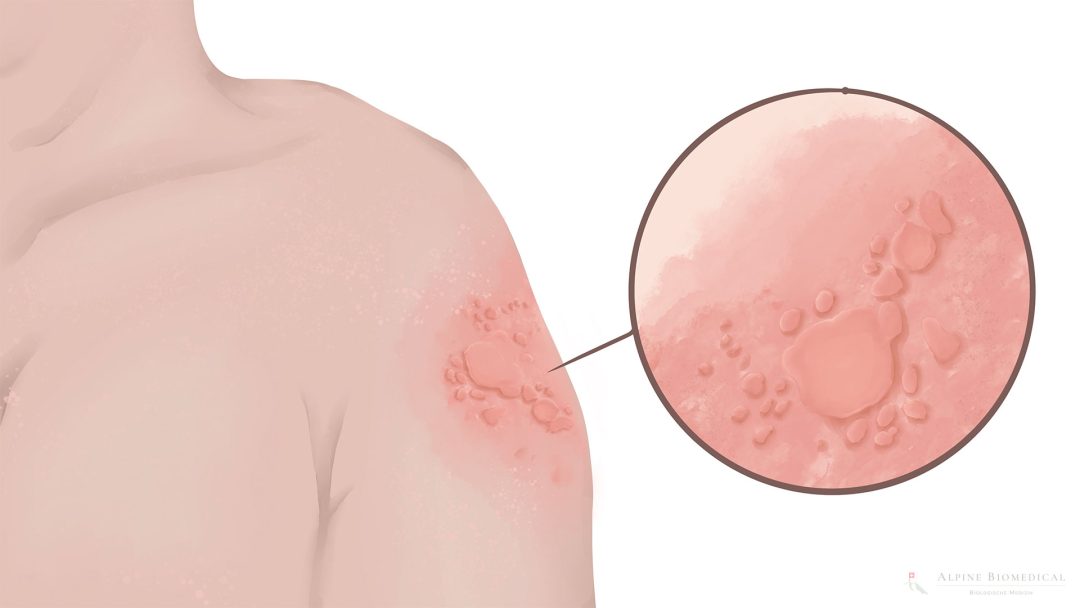
Hives, also known as urticaria, is a skin reaction characterised by itchy, raised marks on the skin. Symptoms include intense itching, redness and swelling.
Common triggers include medications, infections, emotional stressors, leaky gut, food allergies and food intolerances.
Diagnosis can be based on special diagnostics, such as allergy and intolerance tests.
Treatment options range from antihistamines of natural or chemical origin to relieve itching and swelling to identifying and avoiding triggering factors.
Med. pract. Dana Hreus M.A.
An individualised treatment approach, taking into account the causal triggers, is crucial in order to improve the quality of life of those affected and minimise the recurrence of hives.

Further information
The information listed contains relevant topics and serves to improve understanding.