
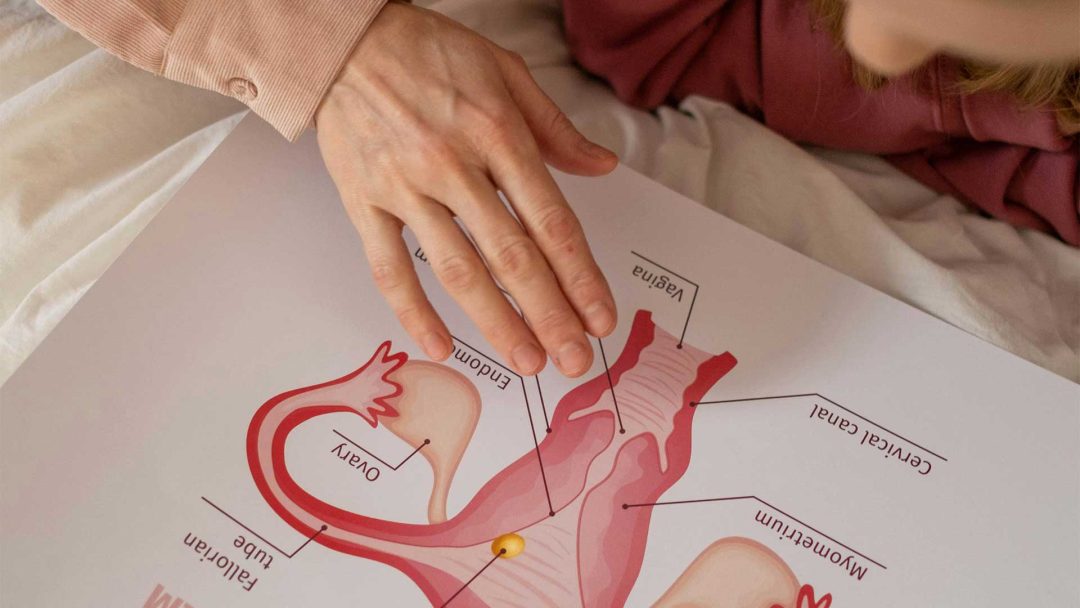
Endometriosis

Endometriose

Endometriosis is a gynecological condition in which tissue similar to the endometrium, the lining of the uterus, grows outside the uterus. These growths are particularly found on the ovaries, fallopian tubes, or the lining of the abdominal cavity, also known as the peritoneum. Worldwide, around 10–15% of women of reproductive age are affected by endometriosis. They often experience severe pain, which becomes particularly intense during menstruation. Endometriosis may also lead to fertility issues. Given its significant impact on quality of life alongside potential impacts on fertility, endometriosis poses a serious medical and social challenge.

What is Endometriosis?

Endometriosis is a chronic condition affecting women, in which tissue growths similar to the lining of the uterus (endometrium) is found outside the uterus. These abnormally located tissue deposits can settle in various parts of the body, such as on the ovaries, the peritoneum, or the intestines. Although endometriosis is classified as a benign condition, meaning it is not cancerous, it can still cause significant discomfort. This is because the tissue responds to the woman’s hormonal cycle in much the same way as the uterine lining: it thickens, breaks down, and bleeds. However, unlike menstrual blood, this internal bleeding has no natural way to leave the body, which can result in inflammation, tissue swelling, and, over time, the formation of scar tissue. Endometriosis is one of the most common benign, chronic diseases in women of reproductive age, affecting about one in ten women. Unlike infectious diseases, which are caused by pathogens such as bacteria or viruses, endometriosis is not contagious. It is a non-infectious condition influenced by hormonal changes, in which tissue resembling the uterine lining grows outside the uterus, leading to various symptoms.

Causes of Endometriosis

The exact causes of endometriosis are still not fully understood. However, it is believed that a combination of both physical and genetic factors may contribute to the development of the disease. While not all underlying mechanisms are fully understood, several explanations are considered especially likely.

  • Retrograde menstruation: In retrograde menstruation, menstrual blood does not flow out of the body through the vagina as usual, but instead travels backward through the fallopian tubes into the abdominal cavity. This process can allow endometrial cells to implant themselves outside the uterus.
  • Genetic predisposition: Endometriosis tends to occur more frequently in some families, suggesting that hereditary factors may play a role.
  • Immune system dysfunction: A weakened or disrupted immune system may fail to eliminate displaced endometrial cells, allowing them to remain in the body and continue to grow out-of-place.
  • Hormonal influences: The hormone estrogen plays a key role in the menstrual cycle and in cell growth. An excess of estrogen or an increased sensitivity to the hormone may encourage the growth of abnormal endometriotic tissue.
  • Metaplasia theory: According to this theory, certain cells in the abdominal lining can transform into endometrial-like tissue under specific conditions.
  • Spread via blood or lymphatic vessels: Researchers have also proposed that endometrial cells might be transported through the blood or lymphatic system to settle in other regions of the body.

Endometriosis Localization

The fact that endometriosis may affect a wide range of bodily locations contributes to its multifaceted nature and often makes detection difficult. The abnormal tissue deposits are almost always found outside the uterus, most commonly in areas located close to the internal reproductive organs. Depending on their location, the symptoms can vary greatly, this makes individualized diagnostic approaches crucial for accurate assessment.

Common Locations of Endometriotic Lesions

Endometriotic lesions, which are abnormal tissue changes that can cause pain, inflammation, or scarring, typically develop in the pelvic region. They are most commonly found around the uterus, fallopian tubes, and ovaries. Because these areas lie in close proximity to the uterus, endometrial cells can more easily implant there: for instance, through retrograde menstruation or via the bloodstream and lymphatic system.

  • Ovaries: Endometriosis can lead to the formation of ovarian endometriomas, also known as chocolate cysts on the ovaries. These are filled with fluids, such as old blood, and can interfere with ovulation, often causing pain as a result.
  • Uterine ligaments: The ligaments that stabilize the uterus within the pelvis are a common site affected by endometriosis. Involvement of these structures may result in pain, especially during motion or menstrual periods.
  • Peritoneum and pelvic cavity: Endometriotic lesions are frequently found on the lining of the abdominal cavity or sites within the pelvis. The hormonally active cell clusters in these areas can therefore lead to inflammation or adhesions.

The frequent involvement of these regions can primarily be explained by their proximity to the uterus. Furthermore, these types of tissues are well supplied with blood and highly responsive to hormonal changes. Both factors support the implantation and growth of endometrial-like tissue outside the uterus.

Rare Locations of Endometriotic Lesions

The most frequent localization of endometriosis is within the pelvic region, but in rarer cases, tissue deposits can develop in unusual parts of the body. Depending on the location of the lesions, they may cause a variety of symptoms. As a result, manifestations such as digestive issues, pain during urination, or even respiratory difficulties may also occur. Although such atypical locations are rare, they should be taken into account when symptoms remain unexplained.

  • Outer surface of the intestines: Endometriosis can attach to the outer surface of the intestines, particularly the colon. This may lead to pain during bowel movements, diarrhea, or constipation, especially during menstruation.
  • Ureters: If the ureters are affected by endometriotic lesions, it can result in a narrowing or even a blockage of urine flow, potentially placing long-term strain on the kidneys, even though this often goes unnoticed in the early stages.
  • Bladder: Endometriosis involving the bladder may cause frequent urination, pain during urination, or even blood in the urine, typically in connection with the menstrual cycle.
  • Pleura (lining of the lungs): In very rare cases, endometriosis can migrate into the chest cavity. Women with so-called thoracic endometriosis report cyclical chest pain, coughing, or even shortness of breath.
  • Pericardium (heart sac): In extremely rare instances endometriosis has been observed in the heart region. Such cases are exceptions and medically very complex.
  • Vulva (external genital area): Endometriosis in the area of the external genitalia is highly unusual and can cause severe pain or palpable nodules, often coinciding with the menstrual cycle.
  • Cervix (entrance to the womb): Lesions may also develop on the cervix, leading to pain and contact bleeding, which refers to spotting or bleeding after sexual intercourse.
  • Abdominal surgical scars: After surgeries such as a C-section, endometriosis can infiltrate the scar tissue, causing discomfort, especially when pressure is applied or the scar is stretched.

Link Between Endometriosis and Hydrometra

Endometriosis and hydrometra (also referred to as hidrometriosis) are two distinct medical conditions, that may be interconnected in some cases. Endometriosis is a chronic disease in which tissue similar to the lining of the uterus grows outside the uterus. These lesions respond to hormonal cycle changes, often leading to pain, inflammation, and in some cases, infertility.

Hydrometra refers to a condition where fluid accumulates inside the uterus. This usually occurs when the normal outflow through the cervix (entrance to the womb) is obstructed, for example by a narrowing, clinically known as cervical stenosis, caused by a tumor, adhesions, or as a result of surgical procedures. The fluid buildup can either lead up to a feeling of pressure in the lower abdomen, or go entirely unnoticed.

A possible link between endometriosis and hydrometra arises when endometriosis causes structural changes in the uterus or cervix. Lesions or scar tissue may narrow the cervical canal, preventing the normal outflow of endometrial secretions. This leads to hydrometra, a fluid buildup inside the uterus. Anatomical abnormalities or adhesions in the pelvic region, which could be provoked by endometriosis, may also contribute to this manifestation.

It is important to emphasize that endometriosis is a systemic, hormonally driven disease that can affect the entire body. Unlike endometriosis, hydrometra is not affected by hormonal fluctuations but instead arises due to a mechanical blockage or constriction of the cervical canal. Nevertheless, it is important to recognize the possible connection between these two conditions, especially in women experiencing unexplained lower abdominal symptoms or infertility.

Endometriosis Symptoms and Early Warning Signs

Endometriosis is a chronic and often painful condition. Because endometriotic lesions can appear in very different parts of the body, the range of symptoms is extremely diverse. Symptoms may include pain, menstrual irregularities, or gastrointestinal issues, depending on where the endometriosis is located. This variability often makes diagnosis difficult, especially since many women suffer from vague symptoms for years without knowing the underlying causes. Typical symptoms include:

  • Pain: The primary symptom for many affected individuals is severe abdominal pain, which can appear in various forms and therefore often eludes clear identification:
  • Severe lower abdominal pain during menstruation (dysmenorrhea): The pain may be cramping in nature and significantly more intense than normal menstrual cramps.
  • Pain during sexual intercourse (dyspareunia): This often occurs deep within the pelvis, especially in certain positions.
  • Non-cyclic pain: Pain may also occur outside the menstrual period, either as constant or recurring discomfort in the pelvic or abdominal area.
  • Back pain: Particularly in the lower back, this pain can also be cycle-dependent and may spread into the lower limbs. Some individuals report nearly paralyzing pain that severely impacts daily life.
  • Infertility: Endometriosis is one of the leading causes of infertility. Since the condition can lead to blocked fallopian tubes or interfere with egg maturation.
  • Heavy, irregular, or prolonged menstrual bleeding: Many individuals report particularly intense or long-lasting periods.
  • Bowel and bladder symptoms: These include pain during urination or a sensation of incomplete emptying, as well as painful bowel movements, diarrhea or constipation.
  • Fatigue and exhaustion: Chronic pain and the inflammatory processes in the body can lead to severe physical and emotional fatigue.
  • Nausea and vomiting: These often occur in connection with the pain, especially during menstruation.
  • Weight changes: Loss of appetite, hormonal influences, or recurring nausea may result in unintentional weight loss or gain.

If several of these symptoms occur simultaneously or recurrently each month, it is essential to seek medical advice. An early diagnosis can help alleviate severe pain, prevent possible complications, and improve overall quality of life.

Bowel Endometriosis – Recognizing the Symptoms

Endometriosis is not limited to the reproductive organs, as it can also spread to other structures within the abdominal cavity. The rectum or the junction between the small and large intestines are particularly often affected, should this be the case a wide range of non-specific symptoms can be observed.

Typical complaints include abdominal pain, which may or may not be linked to the menstrual cycle and is often especially intense before or during menstruation. Affected individuals frequently report cramping, bloating, a feeling of pressure in the lower abdomen, or pain during bowel movements. Diarrhea or constipation may also occur. Should endometriosis spread to regions located deeper in the abdominal cavity, such as the rectum, blood in the stool or a painful sensation during defecation may also be present.

Since these symptoms are often mistaken for gastrointestinal disorders, such as irritable bowel syndrome (IBS), precise diagnosis by experienced specialists is essential. Especially when the symptoms correlate with the menstrual cycle, which is a red flag for possible endometriosis. Early detection is crucial to prevent complications such as adhesions or reduced bowel function, by initiating appropriate treatment.

Types of Lower Abdominal Pain in Endometriosis – Pulling Sensation in the Abdomen

Lower abdominal pain is one of the most common and most disruptive symptoms of endometriosis. One of the greatest challenges is that the pain varies greatly from one individual to another. It can differ in its type, intensity, and frequency, making it difficult to clearly identify. A characteristic symptom is a pulling, cramp-like pain in the lower abdomen that occurs in a wave-like pattern and can severely impact daily life. These pains are often hard to localize, since endometriotic lesions may form in various parts of the pelvic area. A defining characteristic of endometriosis-related abdominal pain is its dependence on the menstrual cycle. Many women experience pain before or during menstruation, as the endometrial-like tissue outside the uterus responds to hormonal fluctuations. These cycle-related pains may appear as a constant feeling of pressure, a deep pulling sensation, or sharp, stabbing pain. The discomfort often radiates to the lower back, legs, or the area located between the genitals and the anus, also known as the perineal region.

Pain that occurs independently of the menstrual cycle should still not be overlooked. This may indicate that endometriosis has progressed further and is already triggering chronic inflammatory processes. Such persistent symptoms should always be taken seriously and medically evaluated to prevent long-term complications, such as adhesions or infertility.

Endometriosis: Diagnosis

Because endometriosis is associated with a wide range of symptoms, many of which are non-specific, making an accurate diagnosis can often be challenging. For many women, it is a long journey before the true cause of their discomfort is identified. This makes a targeted and thorough diagnostic process all the more important, one that includes not only a detailed assessment of symptoms, but also imaging techniques and, if necessary, surgical procedures.

In general, the diagnostic process involves several steps. It typically begins with a comprehensive medical history (anamnesis), focusing especially on cycle-related pain, unexplained infertility, and bowel or bladder symptoms. The next step often includes imaging techniques, such as a transvaginal ultrasound or, in certain cases, a magnetic resonance imaging (MRI) scan. These methods can help detect larger endometriotic lesions or cysts.

In cases of unclear or overlapping symptoms, a careful differential diagnosis is also essential. This helps distinguish endometriosis from other gynecological, urological, or gastrointestinal conditions that may present with similar symptoms. An early and accurate diagnosis is crucial for initiating the right course of treatment, which leads to significantly improving the quality of life for those affected.

Endometriosis and Ultrasound Imaging

Ultrasound examination is a key component of the initial evaluation when endometriosis is suspected to be present. In particular, transvaginal ultrasound is considered the most important non-invasive technique for detecting certain forms of the disease. This method is especially effective in identifying endometriomas, which are cysts on the ovaries formed by encapsulated endometrial tissue. Even deeply infiltrating lesions, such as those located in the vaginal wall or near the rectum, can be visualized using ultrasound. Despite its diagnostic value, ultrasound imaging may not always be able to detect superficial lesions on the peritoneum or smaller, scattered lesions of endometriosis. Nevertheless, ultrasound remains an important part of the diagnostic process, as it helps evaluate both the location and the extent of suspected endometriotic tissue.

Laparoscopy for Endometriosis

Laparoscopy is a minimally invasive abdominal surgery, which is considered the most reliable method for diagnosing endometriosis. This procedure allows doctors to visually inspect the abdominal cavity directly, enabling a definitive diagnosis. Even the smallest endometriotic lesions, whether on the peritoneum, ovaries, fallopian tubes, or even the bowel, are detectable via laparoscopy. When necessary, a tissue sample (biopsy) or even the removal of the lesion is possible during the procedure. Laparoscopy is performed under general anesthesia, during which a small camera is inserted into the abdomen through a tiny incision in the abdominal wall. This provides a clear view of the internal organs. When clear symptoms, such as chronic lower abdominal pain or unexplained infertility, are present, but non-invasive tests fail to provide a conclusive diagnosis, laparoscopy is especially recommended.

The Endometriosis Test

Diagnosing endometriosis can often be challenging, especially because a clear diagnosis has traditionally required more complex procedures, such as a laparoscopy or detailed imaging techniques. However, since 2024, a new, non-invasive saliva test has become available to help with the early detection of the condition. This test analyzes a saliva sample to look for biological markers that may be linked to endometriosis. It offers a non-invasive and accessible option, particularly for women who experience recurring symptoms, like strong menstrual pain or digestive discomfort, but have not yet received a confirmed diagnosis.

The test is easy to perform. You simply collect a small amount of saliva using a special container. To get the most accurate results, it is recommended to do the test in a calm state, ideally in the morning right after waking up. The sample is then sent to a specialized laboratory, where it is checked for specific markers that could indicate endometriosis.

While the saliva test is promising, it is currently considered an additional tool, not a replacement for established diagnostic methods like ultrasound or laparoscopy. Still, it may help identify potential cases earlier, allowing women to seek further testing and treatment sooner.

Treatment of Endometriosis

The treatment of endometriosis is highly individualized and depends on each patient’s specific symptoms and personal needs. The main goal is to develop a treatment plan that fits both the patient’s lifestyle and clinical picture as closely as possible. Since endometriosis can affect the body in many different ways, it is often helpful to combine conventional medical treatments with complementary approaches. This integrated strategy aims to provide long-term symptom relief and improve overall quality of life. Conventional medical treatments typically focus on directly addressing the symptoms and underlying causes: through options such as medication, hormone therapy, or surgery. Complementary therapies, on the other hand, play a supportive role, enhancing general well-being and promoting the body’s natural healing processes.

Conventional Medical Treatments for Endometriosis

Conventional (Western) medical treatment for endometriosis focuses on relieving symptoms, controlling the growth of endometrial tissue, and in some cases, preserving fertility. The choice of treatment depends on several factors, including the severity of the condition, the woman’s age, her desire to have children, and her individual symptom profile.

The most common symptom associated with endometriosis is severe pain, particularly during menstruation. Nonsteroidal anti-inflammatory drugs (NSAIDs), such as ibuprofen and naproxen are over-the-counter drugs, which are frequently used to manage the pain. These medications help reduce pain and inflammation and can be effective during acute flare-ups. A core element of endometriosis treatment is hormone therapy. By suppressing ovarian function, hormone treatments can slow down or even halt the growth of endometrial tissue. Some of the most commonly prescribed medications in this category include:

  • Birth control pills: These help regulate the menstrual cycle and can reduce menstrual bleeding, which in turn may help ease inflammation in endometriotic tissue and lessen pain.
  • GnRH analogs (Gonadotropin-releasing hormone agonists): These medications suppress estrogen production, leading to a temporary, medically induced menopause. This hormonal shift can help stop the growth of endometrial tissue.
  • Progestins (Gestagens): These hormones work by inhibiting the growth of endometrial tissue and can be effective in reducing symptoms.
  • Intrauterine systems (IUS): A hormonal IUD (intrauterine device) releases a low, steady dose of progestin, which can also help reduce pain and bleeding associated with endometriosis.

In case medication alone is not effective, a surgical procedure may be recommended as an additional treatment. The goal of surgery is to remove excess endometrial tissue, which can help relieve symptoms and prevent the condition from progressing. This is most commonly done using minimally invasive laparoscopy, a gentle surgical technique that allows for precise treatment with a short recovery time.

In severe cases of endometriosis, especially when other treatment options have not been successful or when a woman no longer wishes to have children, removal of the uterus (hysterectomy) and/or ovaries may be considered. This procedure eliminates the hormonal stimulation of endometriotic tissue, as the ovaries are no longer producing estrogen. However, this approach is generally considered a last resort and should be carefully discussed with a medical specialist.

Conventional medical treatments for endometriosis are diverse and often combined to achieve the best possible symptom relief. In many cases, with early diagnosis and a personalized treatment plan, women living with endometriosis can experience a significant improvement in quality of life.

Complementary Treatment Options for Endometriosis

In addition to conventional medical therapies, there are several complementary approaches that can help support the treatment of endometriosis. These methods aim to restore balance within the body, relieve pain, and enhance the overall quality of life for those affected.

While they do not replace standard medical care, complementary treatments can be a valuable addition to conventional therapy, offering a holistic approach to managing endometriosis and its symptoms.

Ozone Therapy

Ozone therapy has been used in various medical fields as a supportive treatment and has also shown promise in the context of endometriosis. It may help reduce inflammation in the affected tissue, relieve pain, and slow the growth of endometrial lesions. This therapy is typically applied locally, often in the form of injections into the affected area.

Sanum Therapy

Sanum therapy is a form of homeopathic treatment designed specifically for chronic conditions. It primarily uses isopathic remedies to strengthen the immune system and stimulate the body’s natural healing processes. In the case of endometriosis, it may help reduce inflammation and ease symptoms such as pain and irregular menstrual cycles.

Acupuncture

Acupuncture, a key method in Traditional Chinese Medicine (TCM), involves inserting fine needles into specific points on the body to activate the body’s self-healing mechanisms. For people with endometriosis, acupuncture may help relieve pain, balance hormonal activity, and improve energy flow. Research suggests it can be particularly effective for managing painful symptoms commonly associated with endometriosis.

Neural Therapy

Neural therapy involves injecting local anesthetics into specific nerve points or trigger zones in the body. This can help block pain signals and support the body’s healing response. In the context of endometriosis, neural therapy may help calm pain receptors in affected tissues and reduce sensitivity to pain.

Microbiome Therapy and Gut Health

A balanced gut microbiome plays a key role in maintaining overall well-being and supporting a healthy immune system. Research has shown that women with endometriosis often have imbalances in their gut bacteria, which may contribute to inflammation in the body. Microbiome therapy, which involves restoring a healthy intestinal environment, can help strengthen the immune system and reduce inflammation. This typically includes targeted approaches such as intestinal cleansing protocols and the use of probiotics and prebiotics, which help rebuild and maintain a healthy balance of gut bacteria.

Micronutrient Therapy and Supplements

An adequate supply of micronutrients, such as vitamins, minerals, and trace elements, can play an important role in supporting the body’s healing process and strengthening the immune system. For individuals with endometriosis, antioxidants like vitamin C, vitamin E, zinc, and magnesium are especially beneficial. These nutrients help combat inflammation and support the body’s natural repair mechanisms. In addition, dietary supplements such as omega-3 fatty acids, whether from fish oil or plant-based sources, have been shown to have anti-inflammatory effects and may help relieve symptoms associated with endometriosis.

Exercise and Stress Management

Staying physically active is an important part of managing endometriosis. Regular movement not only boosts circulation and strengthens the body, but it can also help to relieve pain. Gentle forms of exercise, such as yoga, Pilates, or swimming, can be especially beneficial, as they help relax the muscles and release built-up tension. In addition to physical activity, managing stress is also a key element of treatment. Chronic stress can increase inflammation in the body and may therefore worsen symptoms. Practices such as meditation, mindfulness, or deep breathing exercises can help lower stress levels and support the body’s healing process.

Nutritional Therapy

A healthy, anti-inflammatory diet can have a positive impact on endometriosis symptoms. It is generally recommended to eat foods that are rich in antioxidants and help support hormonal balance. An anti-inflammatory diet focuses on: fresh fruits and vegetables, omega-3-rich foods, such as fish and certain plant-based oils and high-quality whole grains. On the other hand, certain foods, such as sugar, refined carbohydrates, and red meat, may promote inflammation and are best limited or avoided entirely. Making dietary changes may reduce pain and contribute to better control of endometriosis over time.

Complementary therapies can offer a valuable addition to conventional medical treatment for endometriosis. They not only help relieve symptoms, but also support the body’s overall healing process by strengthening the immune system and balancing hormonal activity.

Nutrition and Endometriosis

Nutrition plays an important role in managing endometriosis and easing its symptoms. A targeted dietary approach can help reduce inflammation, support hormonal balance, and improve the overall quality of life for those affected. Certain foods and nutrients have been shown to be particularly beneficial in relieving symptoms. Because endometriosis is a chronic inflammatory condition, following an anti-inflammatory diet is especially important. Foods that are rich in omega-3 fatty acids and fiber can help inhibit inflammation-related processes in the body. Fatty fish, such as salmon, mackerel, or sardines, are highly recommended due to their high omega-3 content. Plant-based sources of healthy fats, such as linseed oil, walnuts, and chia seeds also have anti-inflammatory properties. In addition, foods rich in antioxidants, such as berries, leafy greens, and nuts, may further help reduce inflammation. Phytoestrogens, plant compounds with estrogen-like effects, may also support hormonal balance. Since endometriosis is often influenced by hormonal imbalances, incorporating phytoestrogens into the diet may help regulate hormone levels. However, this should always be discussed and monitored by a qualified medical specialist. Good sources of phytoestrogens include soy, flaxseeds, sesame seeds, lentils, and beans.

Another approach that has shown potential benefits is the reduction or elimination of dairy and gluten. Some studies suggest that these foods may promote inflammation in certain individuals and worsen symptoms. Both gluten and dairy can contain compounds that stimulate the immune system, potentially leading to increased symptoms. For some women, a gluten-free or dairy-free diet may help alleviate symptoms. In addition to dietary changes, targeted supplementation can provide added support. Nutrients such as vitamin D, omega-3 fatty acids, and antioxidants like vitamin C and E play a crucial role in reducing inflammation and supporting the immune system.

By following a balanced, anti-inflammatory diet, combined with targeted nutritional supplements and the avoidance of inflammation-promoting foods, it is possible to positively influence the course of endometriosis and help manage symptoms more effectively.

Fertility and Pregnancy with Endometriosis

Receiving an endometriosis diagnosis can present an additional challenge for women who wish to have children. Endometriosis can affect fertility, as the presence of endometrial-like tissue outside the uterus may disrupt normal reproductive processes. While not all women with endometriosis are infertile, many may find it more difficult to conceive. Therefore it is especially important for women with endometriosis to seek early guidance from a medical specialist, in order to explore their options and increase their chances of becoming pregnant.

Despite these challenges, pregnancy is still possible for many women with endometriosis. Some are able to conceive naturally, while others may benefit from medical support, such as in vitro fertilization (IVF) or other assisted reproductive technologies. However, pregnancy in women with endometriosis can carry certain risks. These may include an increased likelihood of miscarriage, preterm birth, or complications during delivery. For this reason, close medical monitoring throughout the pregnancy is highly recommended.

Med. pract. Dana Hreus M.A.

Before treating endometriosis, it is important that the causal factors are clarified in detail. On this basis, individualised treatment plans can be made to ensure optimal treatment.

Med. pract. Dana Hreus M.A.

Frequently Asked Questions About Endometriosis

In the following section, we answer some of the most common questions about endometriosis to help provide a clearer understanding of the condition and how it can affect those who live with it.

Endometriosis is a chronic medical condition in which tissue similar to the lining of the uterus (endometrium) begins to grow outside the uterus. These abnormal tissue growths are most commonly found on the ovaries, the peritoneum (the lining of the abdominal cavity), or within the pelvic area. This condition can cause severe pain, especially during menstruation, and in some cases, it may also lead to infertility. While the exact cause of endometriosis is still not fully understood, experts believe that hormonal and immune system factors play a significant role. Because the abnormal tissue can appear in different areas of the body, symptoms can vary widely from person to person and may have a significant impact on daily life and overall quality of life.

In endometriosis, cells similar to the lining of the uterus begin to grow outside the uterus. Like the normal uterine lining, this tissue responds to hormonal changes during the menstrual cycle. However, unlike menstrual blood, the blood from these growths has no natural way to leave the body. As a result, this can lead to inflammation, scarring, and the formation of adhesions: bands of tissue that can cause organs to stick together. These changes may cause severe pain, especially during menstruation or sexual intercourse. In more severe cases, endometriosis can also affect fertility, as the abnormal tissue may interfere with the function of the ovaries or fallopian tubes, making it harder to conceive.

At present, endometriosis is not considered curable, but its symptoms can often be effectively managed through a variety of treatment options. The main goals of treatment are to relieve pain, slow the growth of endometrial tissue, and improve quality of life for those affected. In some cases, particularly with milder forms of the condition, medications or surgical removal of the affected tissue can provide significant relief and help manage symptoms over the long term.

There are several treatment options available for endometriosis, all aimed at relieving symptoms and slowing the progression of the condition. Common approaches include pain-relieving medications and hormonal therapies, which help reduce the growth of endometrial tissue. In addition, complementary treatments, such as acupuncture, nutritional therapy, and stress management, can play a supportive role in managing symptoms and improving overall well-being. The choice of treatment depends on factors such as the severity of the disease and the individual needs and preferences of each patient. A personalized approach is therefore the most effective.

An endometriosis center is a specialized medical facility dedicated to the diagnosis, treatment, and care of women with endometriosis. These centers bring together multidisciplinary teams, including gynecologists, pain specialists, nutritionists, and other healthcare professionals, who work collaboratively to provide a comprehensive and individualized treatment approach.

Yes, there is a medication often referred to as the “endometriosis pill”, which is commonly prescribed in the form of a combined oral contraceptive (birth control pill). This pill contains a combination of estrogen and progestin, and works by regulating hormone levels. By influencing the menstrual cycle, it can help relieve pain and reduce other symptoms of endometriosis, as well as slow the growth of abnormal tissue. It is frequently recommended as a first-line treatment, especially for women whose symptoms are closely linked to their menstrual cycle. However, it is important to have a thorough evaluation by a qualified medical specialist to determine whether this type of therapy is suitable for each individual situation.

Further information

The information listed contains relevant topics and serves to improve understanding.