
Asthma

Asthma

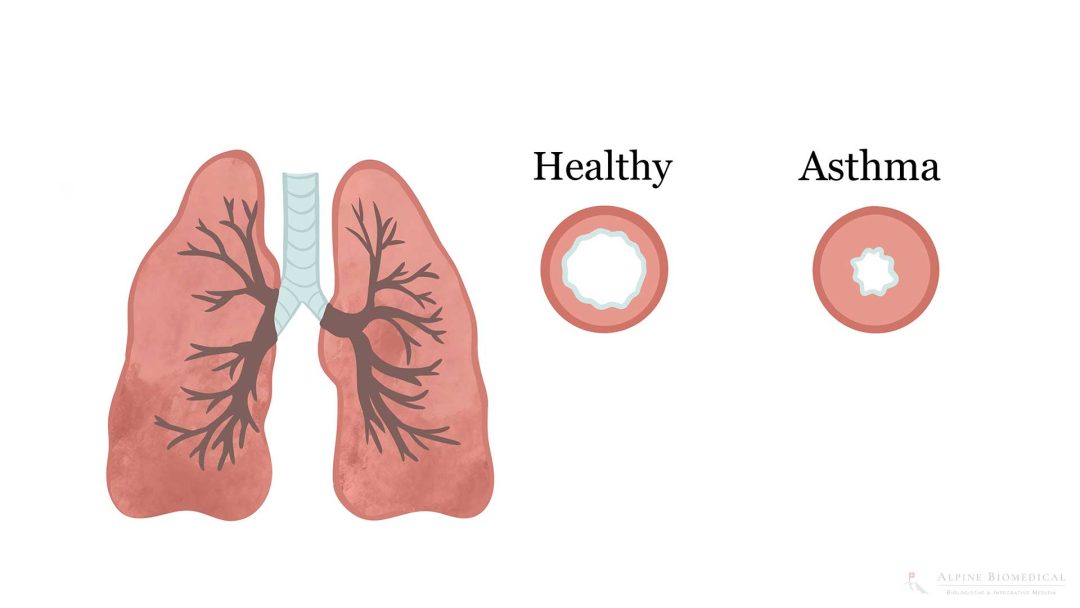
Asthma is a chronic inflammatory disease of the airways characterized by an oversensitive reaction of the bronchi to certain stimuli. This leads to a temporary narrowing of the bronchi, which makes breathing difficult for those affected and leads to typical symptoms such as shortness of breath, coughing, or a feeling of tightness in the chest. These symptoms often occur in sudden attacks, especially during physical activity. The causes of asthma are often quite diverse. While pollen, dust mites, or animal hair are known triggers for allergic asthma, factors such as infections, stress, or cold air play an important role in non-allergic forms. Although asthma cannot be directly cured, today there are effective therapies that can control the disease to a certain extent and raise the quality of life.

What is Asthma?

Asthma is a condition in which chronic inflammation of the airways occurs. It involves repeated episodes of shortness of breath, coughing, and wheezing. These symptoms are caused by inflammation and swelling of the bronchi, which narrows the airways. This narrowing of the bronchi makes it difficult for air to enter the lungs and escape from the lungs. During an asthma attack, when the narrowing is particularly pronounced, symptoms can be acute and lead to significant distress.

Asthma can generally be divided into two main categories: allergic (extrinsic) and non-allergic (intrinsic) asthma. Both forms have different causes and triggers. In allergic asthma, the airways react to environmental factors such as pollen or animal hair, leading to an excessive inflammatory response in the airways. Non-allergic asthma, on the other hand, is increasingly triggered by other factors such as frequent respiratory infections, cold air, physical exertion, or stress.

Another important distinguishing feature is cardiac asthma, which clearly differs from bronchial asthma. Cardiac asthma occurs when the heart does not pump enough blood into the body, leading to shortness of breath and coughing. Therefore this is caused by heart failure, and is not affected by the airways. It is therefore important to differentiate between these two forms in order to make an accurate diagnosis.

Asthma Life Expectancy

Asthma is not a life-threatening disease if properly treated. With good medical care and consistent use of medications, affected individuals can lead a largely normal life. However, there are some factors that can influence life expectancy. For example, frequent, severe asthma attacks can lead to a deterioration in quality of life and increase the risk of possible complications. Studies show that people with well-controlled asthma generally have a life expectancy similar to the general population. However, if asthma is not adequately treated or if there are repeated, severe attacks, this can have long-term health consequences such as impaired lung function.

Furthermore, it is important to note that people with asthma may be more susceptible to other diseases such as respiratory infections or pneumonia. Therefore, early diagnosis and supportive monitoring are essential to effectively treat asthma and improve life expectancy.

Asthma Types

Asthma can occur in various forms, which differ in their triggers, symptoms, and severity of the disease. The main types of asthma are allergic asthma, also known as extrinsic asthma, and non-allergic asthma, also known as intrinsic asthma. In addition, there is exercise-induced asthma and other special forms such as eosinophilic asthma and status asthmaticus.

Allergic (Extrinsic) Asthma

Allergic asthma, also referred to as extrinsic asthma, is a form of asthma in which symptoms are triggered by certain allergens. It is the most common type of asthma, occurring particularly in children and young adults. The cause of this form of asthma is the hypersensitive overreaction of the immune system to certain substances that normally are not harmful. In people with allergic asthma, contact with these triggers leads to an inflammatory reaction of the airways, which in turn leads to coughing, shortness of breath, and wheezing.

In extrinsic asthma, there is often a seasonal variation in symptoms due to its allergenic component. For example, symptoms occur more frequently during the pollen season. During spring and summer, when many trees and grasses are in bloom, pollen can lead to a worsening of symptoms. In the autumn and winter months, on the other hand, dust mites or mold spores are more likely to trigger asthma attacks.

  • Pollen: Especially during the flowering period of trees and grasses, pollen is one of the most common triggers for allergic asthma. Pollen flight can vary seasonally, which affects the frequency and severity of symptoms.
  • Dust (house dust mites): House dust mites live in bedding, mattresses, carpets, and upholstered furniture. They can irritate the airways and cause asthma attacks. House dust mites are also active all year round, which is why symptoms can also occur outside the typical pollen season.
  • Animal hair: Pets, especially cats and dogs, have allergens that are released via dander and hair. These particles can enter the airways through the air and trigger asthma attacks.
  • Mold: Damp and poorly ventilated environments can promote the growth of mold. Their spores get into the air and can worsen allergic reactions and asthma.
  • Food: Certain foods, such as nuts, eggs, milk, or seafood, can trigger asthma attacks in some people.
  • Medications: Certain medications, such as non-steroidal anti-inflammatory drugs or aspirin, can cause a worsening of symptoms in some asthma patients because they promote inflammatory processes that can intensify asthma.

The treatment of allergic asthma focuses on avoiding the above-mentioned triggers, using medications to control symptoms, and in some cases also immunotherapy, which aims to reduce the effects of the allergy in the long term.

Non-allergic (Intrinsic) Asthma

Non-allergic, also known as intrinsic asthma, is not caused by specific allergens as in allergic asthma, but rather triggered by other factors. This type of asthma often occurs in adulthood and usually affects people without known allergies. The development of non-allergic asthma is quite complex and can be intensified by various triggers and physical reactions.

Non-allergic asthma is often less seasonally dependent and occurs more constantly, as it is triggered by factors other than environmental allergens. The development of non-allergic asthma is based on a hypersensitive overreaction of the airways to various stimuli. They lead to a local inflammation and narrowing of the bronchi. The body hereby reacts to certain environmental factors, such as infections or stress-related changes, with inflammation of the airways. These inflammatory processes lead to hypersensitivity of the bronchi, which in turn can lead to asthma attacks.

  • Infections caused by bacteria or viruses: Respiratory infections, such as those caused by viruses or bacteria, are among the most common triggers for the development of non-allergic asthma. They can inflame the airways and lead to an intensification of previous symptoms.
  • Stress: Psychological stress can affect the body's immune response and indirectly irritate the airways of asthmatics. Stress leads to increased production of stress hormones, which can promote inflammatory processes in the bronchi.
  • Smoking: Smoking is a significant risk factor for the development of non-allergic asthma. When inhaling cigarette smoke or through passive smoking, the airways can be chronically irritated, causing inflammation and damaging the mucous membranes of the airways. This leads to hypersensitivity of the bronchi, which significantly increases the risk of asthma attacks.
  • Cold air: Cold, dry air can irritate the airways and worsen asthma. This happens especially when the cold air leads to a narrowing of the bronchi in the airways.
  • Medications: Certain medications, such as non-steroidal anti-inflammatory drugs (NSAIDs), can worsen the symptoms of non-allergic asthma. These drugs, which include ibuprofen and acetylsalicylic acid (ASA), can promote inflammatory processes in the airways and thus lead to asthma attacks.

The treatment of non-allergic asthma typically includes a combination of drug therapies for anti-inflammation and bronchodilation, as well as the best possible avoidance of specific triggers, such as smoking, cold, and stress.

Exercise-Induced Asthma

Exercise-induced asthma occurs, as the name suggests, typically during physical exertion, especially during intense physical activity. Typical signs are the temporary narrowing of the airways, which leads to shortness of breath and severe coughing during sports or after physical exercise. These symptoms can be additionally intensified especially in cold or dry environments. An asthmatic who regularly participates in sports should therefore always inhale a bronchodilator beforehand to avoid unpleasant symptoms.

Special Forms

Eosinophilic asthma is a special form of asthma in which an increased number of eosinophilic granulocytes, a type of white blood cell, causes inflammation in the airways. This form of asthma is associated with a stronger inflammatory response and is often diagnosed in people with severe, difficult-to-control asthma. Eosinophilic asthma responds well to biological therapies that specifically influence the immune system to reduce inflammation.

Another severe form of asthma is status asthmaticus. This involves severe asthma attacks that do not respond to standard treatments such as inhalers. It can be said that this condition is potentially life-threatening for those affected. Therefore, in these cases, immediate medical intervention is required to stop the asthma attack and reopen the airways. Patients who have status asthmaticus often need intravenously administered medications and supplementary oxygen therapies.

Causes and Risk Factors

The causes of asthma are often very diverse and consist of a combination of genetic and environmental factors. People with a family history of asthma or allergies often have a higher risk of developing asthma themselves. Environmental factors such as air pollution, pollutants, and allergens can also contribute to the worsening of symptoms or the development of asthma.

Asthma Causes

The exact cause of asthma is quite complex and often individually different. However, there are several factors that can increase the risk of developing asthma or worsen symptoms.

  • Genetic predisposition: Asthma often occurs in families, in which family members already suffer from Asthma. So if parents or siblings already suffer from asthma or other allergic diseases such as hay fever or atopic dermatitis, the risk of developing the disease is increased.
  • Environmental factors: Allergens such as pollen, house dust mites, animal hair, or mold are common triggers for asthma attacks, especially in people who tend to have allergic asthma. Air pollution, such as particulate matter or exhaust fumes, can also irritate the airways.
  • Hypersensitivity of the bronchi: In asthmatics, the airways react hypersensitively to various stimuli such as cold air, smoke, or certain chemical substances. This hypersensitivity can lead to a sudden narrowing of the bronchi, making breathing difficult.
  • Respiratory infections: Especially in children, infections of the respiratory tract, such as colds or flu, can trigger asthma attacks or worsen symptoms. Frequent infections in childhood can also increase the risk of developing asthma.
  • Medications: In some people, medications can additionally intensify the typical symptoms that occur during asthma.
  • Physical stress: Some asthmatics experience asthma attacks or increased symptoms during physical exertion. Especially in cold, dry weather, sports can irritate the airways.

These various causes contribute to varying degrees to the development of asthma or the worsening of symptoms. In many cases, several factors work together. Therefore, it is very important to find your own triggers to alleviate symptoms and maintain control over the disease.

Risk Factors

The development of asthma can be assisted by a variety of risk factors. These factors not only increase the risk of developing asthma but can also intensify existing symptoms. A good knowledge of typical risk factors can also be used specifically as a preventive measure.

  • Smoking: Cigarette smoking is one of the most significant risk factors for the development of asthma and other respiratory diseases. It damages the airways, leads to chronic inflammation, and impairs normal lung function. Smoking in childhood and exposure to passive smoke in particular highly increase the risk of developing asthma.
  • Allergies: Allergies are also one of the most common causes of asthma. Allergic reactions can cause inflammation in the airways, leading to narrowing of the airways and typical symptoms such as coughing, wheezing, and shortness of breath.
  • Obesity: Obesity and adiposity are considered additional risk factors for asthma. Obesity puts a strain on the immune system and increases inflammatory processes in the body, which increases the likelihood of developing asthma.
  • Frequent respiratory infections in childhood: Children who frequently suffer from respiratory infections, such as colds or bronchitis, have an increased risk of developing asthma later in life, as the infections can damage the airways.
  • Disturbed intestinal flora: A disturbed intestinal flora, also known as dysbiosis, is increasingly linked to various diseases, including asthma. A balanced microbiota in the intestine plays an important role in regulating the immune system. A disturbed intestinal flora can cause the immune system to overreact, which can lead to inflammation of the airways and favor asthma.
  • Periodontitis: Periodontitis, a chronic inflammation of the periodontium, is increasingly seen as a risk factor for asthma. It is assumed that the bacteria from the oral cavity can enter the respiratory tract via the bloodstream and trigger inflammatory reactions there. These inflammations contribute to the development or worsening of asthma.
  • FDOJ / NICO and RANTES: FDOJ (Fatty degenerative osteonecrosis and osteolysis of the jawbone) and NICO (Neuralgia-Inducing Cavitational Osteonecrosis) are diseases that are accompanied by inflammatory processes in the body and in which there is an increased production of RANTES (Regulated on Activation, Normal T cell Expressed and Secreted). RANTES is a pro-inflammatory molecule that can play a role in the development of asthma by intensifying the inflammation in the airways. Studies have shown that there may be a connection between these inflammatory processes and asthma.

Asthma Symptoms and Signs

Asthma can manifest itself in various symptoms. The typical signs of asthma are particularly evident when the airways narrow or become inflamed. The symptoms can vary in intensity and are often intensified by certain triggers such as allergens, physical exertion, or stress.

  • Shortness of breath
  • Dry cough
  • Wheezing (wheezing when listening to the lungs)
  • Narrowed bronchi
  • Shortness of breath and coughing during physical exertion or stress
  • Asthma attack: An asthma attack, characterized by the so-called "asthma triad", usually occurs very strongly and suddenly. These triads typically include shortness of breath, coughing, and wheezing. During an acute asthma attack, due to severely narrowed airways a life-threatening condition can occur.

These symptoms can occur with varying severity and in different situations. In many cases, timely treatment and learning supportive breathing techniques and trigger avoidance are crucial to regulate symptoms and improve life quality with asthma.

Asthma Diagnosis

The diagnosis of asthma is carried out step by step to exclude other possible causes and make an accurate diagnosis. The most important diagnostic procedures include the lung function test (spirometry), peak flow measurement, the provocation test, and allergy tests. They each test different values that can detect asthma.

The lung function test measures the volume and speed of airflow during inhalation and exhalation and helps to evaluate lung function more precisely. A restriction of lung function that increases again after the administration of a bronchodilator, such as salbutamol, can indicate asthma. Peak flow measurement measures the maximum speed of exhalation and is repeated to monitor the severity of asthma and how it changes in the course of the disease. This test is especially important to check how well the treatment of asthma is working.

In case of ambiguous values in spirometry, a provocation test can also be used if asthma is still suspected. In this test, certain stimuli such as cold air or chemical substances are used to test how the bronchi react to these stimuli. A positive test, in which a narrowing of the airways occurs, can indicate asthma and confirms that the bronchi react hypersensitively.

If allergic asthma is suspected, which is triggered by certain allergens such as pollen or medications, specific allergy tests are carried out. These tests help to find out to which substances the body overreacts to and enables a more precise therapy to avoid asthma attacks.

Differential Diagnoses

Since asthma can cause symptoms similar to other diseases, it is important to rule out other possible causes. The most common differential diagnoses include COPD (Chronic Obstructive Pulmonary Disease), which also causes shortness of breath and coughing, but usually occurs in older, especially smoking people. Another possible diagnosis is sarcoidosis, an inflammatory disease that, in most cases, affects the lungs. Heart failure also leads to shortness of breath, but due to poor heart function. Furthermore, tuberculosis and cystic fibrosis should also be ruled out, as they also lead to coughing and shortness of breath. Another possible cause of the symptoms is pneumonia or scarring of the lung due to repeated infections.

The precise differentiation of these diseases from asthma is crucial to find the right treatment and avoid a misdiagnosis. Therefore, the diagnosis is usually made through a combination of various tests and a thorough examination of a patient’s medical history.

Asthma Treatment

The treatment of asthma aims to alleviate symptoms as much as possible, stabilize the airways, and prevent acute asthma attacks. Therapy therefore distinguishes between symptomatic treatment, which relieves acute complaints, and long-term treatment, which should slow the progression of the disease. The most common methods in asthma treatment are drug therapies that can be adjusted according to severity.

Drug Therapy

Drug therapy is the central component of therapy for asthma and can be divided into two main categories, on-demand medications and long-term therapy. On-demand medications are used particularly in acute cases, i.e., situations in which symptoms suddenly occur or acutely worsen. A typical example of this is the emergency spray, such as salbutamol. These are fast-acting beta-2 agonists that dilate the airways and relieve shortness of breath, thereby reducing acute symptoms very quickly.

For long-term control of the disease, medications that also have a lasting anti-inflammatory effect are used in long-term therapy. They help to reduce the frequency and severity of asthma attacks. Among the most important medications in this category are inhaled corticosteroids. They reduce inflammation in the airways and prevent the bronchi from becoming inflamed, swollen, and narrowed. Another frequently used treatment option is long-acting beta-2 agonists, which dilate the airways over longer periods of time and thus enable better control of symptoms. These medications are often used in combination with corticosteroids.

In very severe cases of asthma, which cannot be adequately controlled with the usual medications, biologics are used in addition. These medications specifically intervene in specific inflammatory processes in the immune system and block certain inflammatory messengers.

Non-Medicinal Measures

Non-medicinal measures also play an important role in controlling and alleviating the symptoms of asthma. They are used in addition to drug therapies and can help to increase well-being and reduce the frequency of asthma attacks.

Breathing exercises are one of the most effective methods to control breathing more precisely and alleviate symptoms. A widespread exercise is lip braking, in which the breath is slowly exhaled through pressed lips. This technique helps to keep the airways open and prevents exhalation that is too fast, which helps to stabilize the airflow in the bronchi and reduce shortness of breath. Furthermore, Buteyko breathing is recommended for asthma and can be taught by an experienced therapist.

Lifestyle adaptation is also an important component of asthma treatment. This primarily includes avoiding triggers that can cause asthma attacks. A balanced diet that includes anti-inflammatory foods also supports the long-term health of the airways. For example, a diet rich in omega-3 fatty acids, antioxidants, and fiber can help reduce inflammation in the body and promote lung function.

These non-medicinal measures, combined with the right drug therapy, can help to better control asthma and greatly improve quality of life.

Acute Treatment of an Asthma Attack

The immediate treatment of an asthma attack is of central importance to quickly relieve the airways and alleviate the complaints. Such an attack can occur unexpectedly and often manifests itself through sudden shortness of breath, coughing attacks, and wheezing. The faster appropriate measures are taken in such a situation, the better. Complications can be prevented and the condition stabilized again. Therefore, it is particularly important to recognize the typical signs early and respond specifically to them.

The emergency spray, such as salbutamol, is the most important means in acute treatment. It should be used immediately when symptoms of an asthma attack appear. In addition to the medication, it is also important to keep calm and apply a relaxed breathing technique. However, if the symptoms do not subside quickly or even worsen, an emergency doctor should be called immediately. In such cases, they can ensure that all necessary measures are taken to treat the asthma attack well and quickly.

Alternative Therapies

Alternative therapies offer valuable additional possibilities for asthmatics to alleviate symptoms and improve quality of life, especially when used in combination with drug therapies. These methods are often aimed at supporting the body, reducing inflammation, and strengthening the immune system.

An important aspect in the treatment of asthma is an intestinal cleanse. The condition of the intestinal flora has a direct influence on the immune system. When the intestine gets out of balance, for example through a leaky gut syndrome, harmful substances can enter the bloodstream and cause inflammation in the body. These inflammatory processes can intensify asthma. A targeted intestinal cleanse, often supplemented by the intake of probiotics, can help to stabilize the intestinal flora and regulate the immune system. A healthy intestine is thus a fundamental component for general health.

Furthermore, there are also Silent Inflammations. These are subtle, often unrecognized inflammations in the body that can impair health over a long period of time. Jaw inflammations, such as periodontitis, can also chronically activate the immune system, which can intensify the symptoms of asthma. Therefore, it is crucial to recognize the inflammatory processes exactly and treat them in a targeted and organized manner.

Another decisive aspect in the treatment of asthma are micronutrient deficiencies. Studies have shown that people with asthma often have a deficiency in important micronutrients such as vitamin D, vitamin C, magnesium, zinc, selenium, and omega-3 fatty acids. These nutrients have anti-inflammatory properties and support the immune system. Balancing these deficiencies through a balanced diet, targeted nutritional supplements, or infusion therapy can help dampen the inflammatory processes in the body and better control asthma.

Phytotherapy and the use of essential oils are also proven methods in asthma treatment. Cineole, the main component of eucalyptus oil, has proven particularly helpful as it dilates the bronchi and thus facilitates breathing. These natural substances have a calming and anti-inflammatory effect, which is especially beneficial for asthma patients who are looking for gentle methods.

Acupuncture is another alternative therapy option. It is based on traditional Chinese medicine and assumes that by placing needles at certain points in the body, blockages are resolved and energy can flow freely again. Studies have also shown that acupuncture has an anti-inflammatory effect and can alleviate the symptoms of asthma.

In summary, these alternative treatment approaches offer a valuable addition to conventional asthma therapy. They can help to alleviate symptoms, control the disease in the long term, and increase general well-being again. However, it is advisable to always use these methods in consultation with a doctor to ensure that they fit the individual needs and existing therapy.

Asthma: Home Remedies

The treatment of asthma often includes several treatment approaches that contain much more than just medication. Preventive measures are also part of a therapeutic approach, whereby those affected can actively improve their health to prevent asthma attacks. A central component is avoiding known triggers that worsen the symptoms. These include cold air, pollen, and air pollution, among others. If you react sensitively to animal hair, for example, you should avoid contact with animals. Even with a house dust mite allergy, regular measures such as washing bedding at high temperatures can help to avoid contact with a potential trigger.

A good room climate is also crucial for lung function. In the more specific case, mold formation should be avoided by ventilating regularly and ensuring adequate ventilation. Smoking not only worsens the health of the airways but also intensifies asthma attacks. It is therefore advisable to quit smoking completely. For many asthmatics, sports are a good help to improve lung function and general fitness. Nevertheless, physical exercise should be carried out in consultation with the doctor to avoid possible overload.

In the case of occupational asthma, for example through contact with harmful substances at the workplace, protective measures such as wearing respiratory masks are highly advisable. In some cases, a professional adjustment may also be necessary. In addition, asthma training as part of a disease management program (DMP) is very helpful. In addition to breathing techniques, patients can learn how to precisely deal with emergencies and how they can actively manage their disease. All of these measures not only contribute to the alleviation of symptoms but also to the improvement of the quality of life and the avoidance of asthma attacks in everyday life.

Dr. med. Karsten Ostermann M.A.

As the disease leads to structural changes in the airways if left untreated and makes treatment much more difficult, early diagnosis and a personalised approach in consultation with a lung specialist and holistic doctors is essential to effectively control asthma and improve the quality of life.

Dr. Karsten Ostermann

Frequently Asked Questions about Asthma

In the following, we want to answer your questions about asthma in more detail to give you an even better understanding of the causes, symptoms, and treatment approaches.

For those affected, asthma often feels like a tightness in the chest, one could also say as if someone were tying a knot around your chest. Typical symptoms include difficult exhalation, shortness of breath, coughing, and wheezing, especially during physical exertion or at night. In acute attacks, the shortness of breath can often seem very threatening, which can trigger a feeling of fear and panic. The intensity of the symptoms varies greatly and can therefore range from mild discomfort to serious shortness of breath.

Breathing exercises can be very helpful for affected patients as they calm the breathing and support lung function. Particularly helpful is lip braking, in which inhalation is slow through the nose and exhalation is through pursed lips. This can be achieved to extend the exhalation and prevent the small airways from collapsing. Furthermore, Buteyko breathing can be very helpful to reduce the symptoms of asthma.

Yes, asthma can have a genetic component and is thus partially hereditary. In particular, allergic asthma has a hereditary component. If, for example, one or both parents suffer from asthma or allergic diseases such as hay fever or atopic dermatitis, the risk may be increased that the child will also develop asthma. However, environmental factors, infections in early childhood, and lifestyle play an important role, so not everyone with a genetic predisposition actually falls ill.

The treatment of asthma in children is based on a combination of drug therapy and supplementary non-drug measures. Depending on the severity, anti-inflammatory drugs such as inhaled corticosteroids and bronchodilators are also used. An individually tailored therapeutic approach that includes regular checks is therefore very important, training for parents and children, and learning inhalation techniques. Furthermore, it is helpful to avoid known triggers, start respiratory therapy, and possibly also a hyposensitizing immunotherapy to control the complaints in the long term.

In asthma, a tough mucus often occurs in the airways, which is difficult to cough up. Therefore, a supporting expectorant can be useful, especially in the case of simultaneously existing infections or chronic mucus formation. Commonly used expectorants include acetylcysteine, also known as ACC, which liquefies the mucus and thus makes it easier to cough up. In some cases, herbal preparations with thyme are also used, which have a mild, mucus dissolving, and calming effect. Nevertheless, you should note that expectorants do not replace specific treatments against asthma.

Asthma and COPD, chronic obstructive pulmonary disease, are two diseases of the airways that can cause similar symptoms, but they differ in several important points.

Asthma usually begins in childhood or adolescence and is characterized by a mostly reversible narrowing of the airways. The complaints also often occur in sudden attacks and are triggered, for example, by allergens or infections. COPD, on the other hand, typically affects older people with long-term nicotine consumption or pollutant exposure and leads to a permanent, progressive airway narrowing that hardly or only rarely recedes.

Even without a spray, there are supportive measures that can be helpful for asthma. However, these never completely replace the prescribed therapy but complement it. Especially important are respiratory therapeutic exercises, such as lip braking or breathing according to Buteyko. They can help to calm the breathing and alleviate acute shortness of breath. Regular endurance sports in a moderate amount, such as swimming or cycling, can also strengthen lung function. In addition, avoiding triggers plays a big role as they can additionally irritate the airways.

Asthma develops through chronic inflammatory processes in the airways that lead to hypersensitivity of the bronchi. The airways then react excessively strongly to certain stimuli such as allergens, for example pollen or animal hair, infections, cold air, or physical exertion. Consequently, the airways narrow, leading to coughing, shortness of breath, and wheezing.

Whether one develops asthma depends on various factors. A genetic predisposition often plays an important role, as asthma can occur more frequently in families, in which family members already have asthma. Environmental factors such as air pollution, smoking, passive smoking, or frequent respiratory infections in one’s childhood can also increase the risk of asthma.

If you often feel that you have difficulty breathing with asthma, this should be taken seriously and discussed with the treating doctor. Often behind this is an insufficiently adjusted therapy or a wrong inhalation technique. Allergic stimuli or other triggers can also play a role. The aim of the treatment is to control the complaints as well as possible to avoid dangerous situations, such as an asthma attack.

Should an asthma attack occur, it is of great importance to remain calm first and immediately apply learned measures. First, one should use a bronchodilator, such as in the form of an emergency spray, to widen the airways and facilitate breathing again. It can also be helpful to sit in an upright position, as this relieves the respiratory muscles and makes breathing easier. If the inhaler does not help or the symptoms worsen, the emergency doctor or emergency service should be contacted immediately.

Further information

The information listed contains relevant topics and serves to improve understanding.